The ice is melting underfoot: emperor penguins are rapidly disappearing from the map of Antarctica
11 June 2025 16:49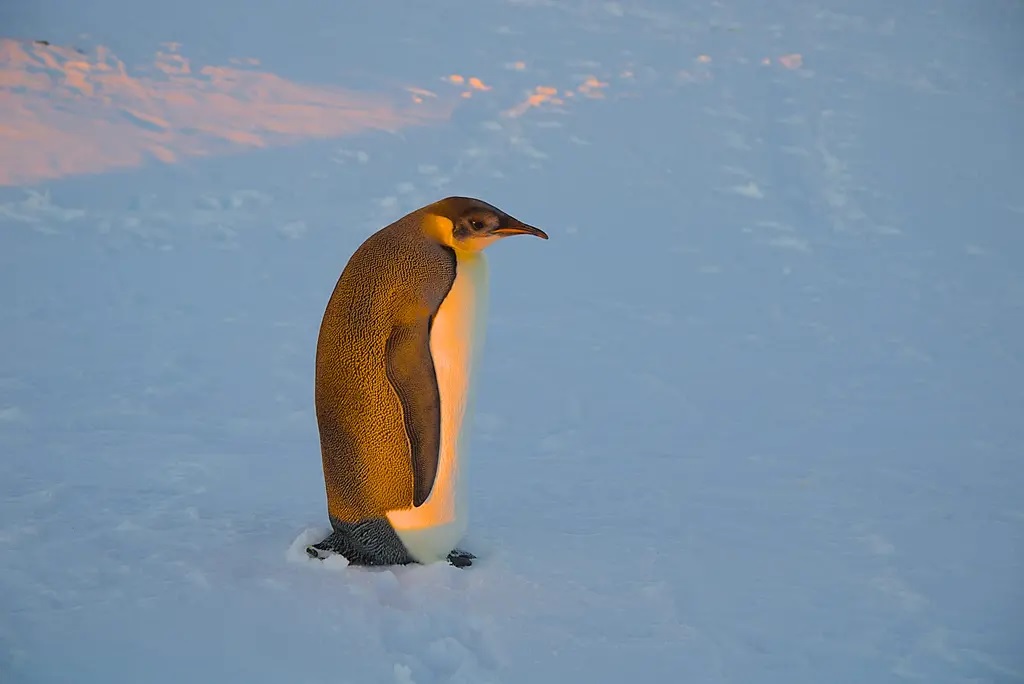
The population of emperor penguins in Antarctica has decreased by 22% over the past 15 years due to global warming, which is destroying their natural ice environment. This is stated in a study published in the journal Nature, details are reported by AFP, "Komersant Ukrainian" reports.
Scientists analyzed satellite images of 16 colonies on the Antarctic Peninsula, the Weddell Sea and the Bellingshausen Sea, regions where almost a third of the world’s population of this species lives. The results showed that the actual rate of population decline is much higher than the most pessimistic forecasts.
The author of the study, Peter Fretwell of the British Antarctic Survey, noted that the current losses are “50% worse” than expected according to computer modeling.
The main reason for this is the melting and instability of the sea ice on which the penguins breed. Due to the ice breaking, some colonies have lost all their chicks: they died when they fell into the water before they could survive in the freezing ocean.
If greenhouse gas emissions are not reduced, emperor penguins may be on the verge of extinction by the end of the 21st century. At the same time, scientists emphasize that it is not too late to change the situation.
“We’re likely to lose a lot of emperor penguins, but if humanity changes and reduces emissions, we can save them,” Fretwell said.
The emperor penguin (Aptenodytes forsteri) is the largest and most famous penguin species.
General characteristics
Size: up to 120 cm in height, weight – 20-40 kg.
Color: black back, white belly, yellow-orange spots on the neck.
Life expectancy: 15-20 years in the wild, sometimes longer.
Habitat
Antarctica is the only continent where this species breeds.
They live and nest in harsh conditions: on sea ice at temperatures down to -60°C and strong winds.
Breeding
This is the only penguin species that breeds in winter in Antarctica.
A female lays one egg and passes it to the male, who incubates the egg for about two months without food, holding it on his paws under a fold of skin – a “brood pouch”.
The female returns from the sea to nurse the chick, after which the males go in search of food.
Food
Main food: fish, krill, squid.
They dive to a depth of 500-600 meters, holding their breath for up to 20 minutes – a record among birds.
Threats
Climate change: melting sea ice threatens nesting and breeding grounds.
The loss of chicks due to the destruction of ice is one of the main reasons for the population decline.
Fishing for krill, which is their main food, also poses a threat.
Population status
Over the past 15 years, the population has declined by ~22%.
Forecasts show that the species may be endangered by the end of the 21st century if global warming is not stopped.
The species is listed in the IUCN Red List as a species of concern.