Cuba has allowed emigrants to invest in businesses on the island
17 March 21:21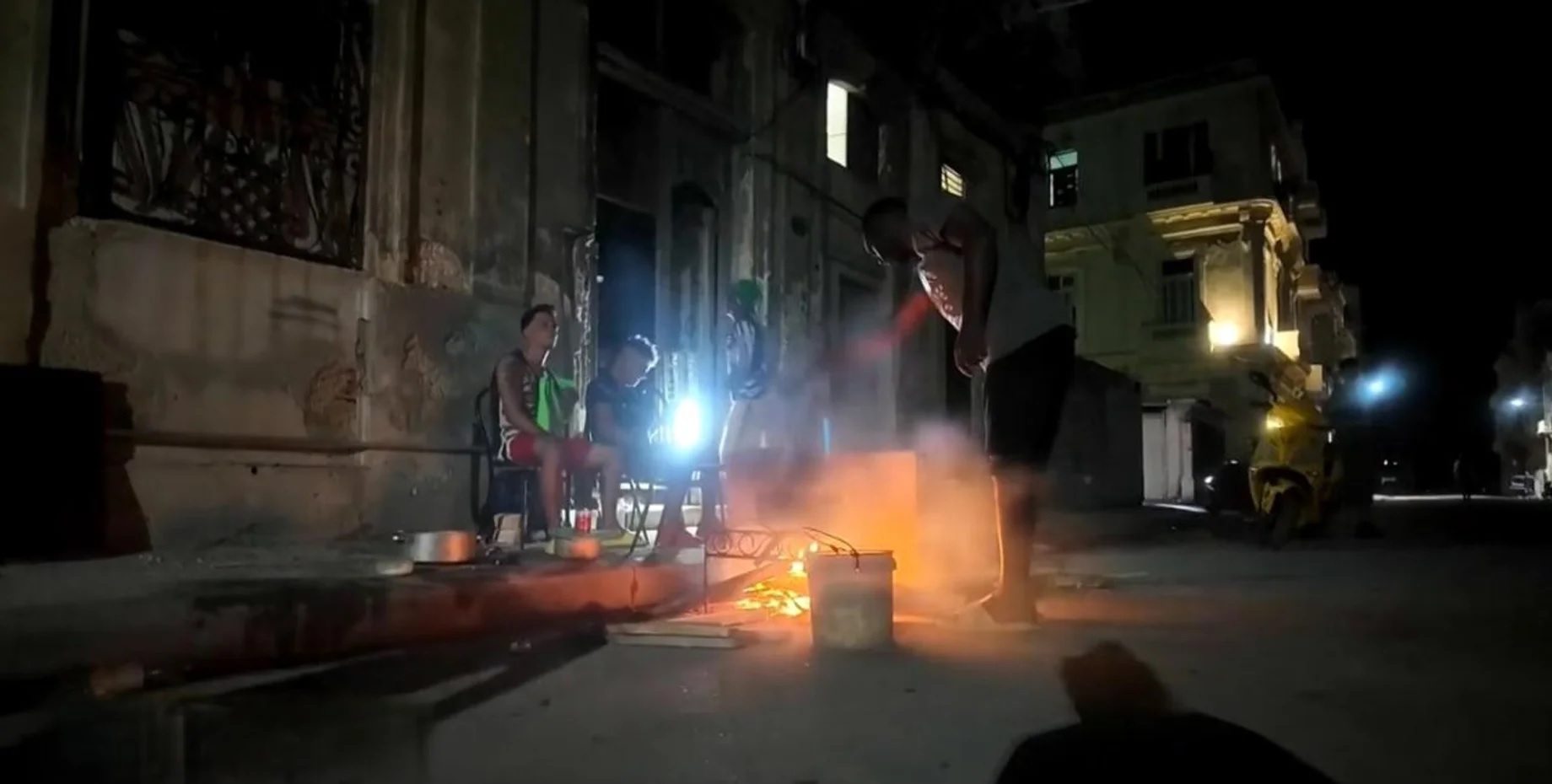
The Cuban government has allowed Cuban citizens living abroad to invest in private companies on the island, purchase business shares, and establish financial institutions.
This was reported by Bloomberg , according to "Komersant Ukrainian".
This decision could be one of the most significant economic steps taken by the government to attract capital from the diaspora, which has for years demanded access to investment opportunities in the country.
What the new decision changes
Under the announced plan, Cubans living abroad will be able to:
- invest in private companies on the island
- buy shares in businesses
- establish investment banks and other financial institutions
Minister of Foreign Trade and Investment Ricardo Cabrisas Ruiz (according to government data) stated that the country aims to attract investment not only in small businesses but also in key sectors of the economy.
According to government officials, “Cuba’s doors are open to investors from the Cuban community abroad.”
A Demand from the Miami Diaspora
Opening investment opportunities for emigrants has long been a demand of the Cuban diaspora, especially in Miami.
It is home to one of the largest communities of Cuban emigrants, who traditionally play a significant role in financially supporting families on the island through remittances.
Uncertainty regarding the scale of investments
Despite the new rules, experts believe that the volume of potential investments is still difficult to estimate.
Reasons:
- the state remains the main economic player in the country;
- the new policy requires additional laws and regulations;
- investors are waiting for clear guarantees for business.
Therefore, the actual impact of the decision will depend on further economic reforms.
Will this affect relations with the U.S.?
Analysts also note that the new policy could affect negotiations between Cuba and the U.S.
The parties are negotiating the resumption of oil product supplies to the island, which could be critically important for the country’s economy.
Energy and economic crisis
The decision to open the economy to the diaspora was made against the backdrop of deep economic problems.
Specifically:
- in early March, Cuba experienced another large-scale blackout due to power plant malfunctions;
- the country faced a shortage of resources to repair the power grid;
- due to a fuel shortage, the government warned airlines of possible restrictions on refueling aircraft.
As a result, some carriers have already suspended flights to the country.