Where is the safest place to fly to for a vacation right now: how global instability is changing tourist routes
12 March 19:45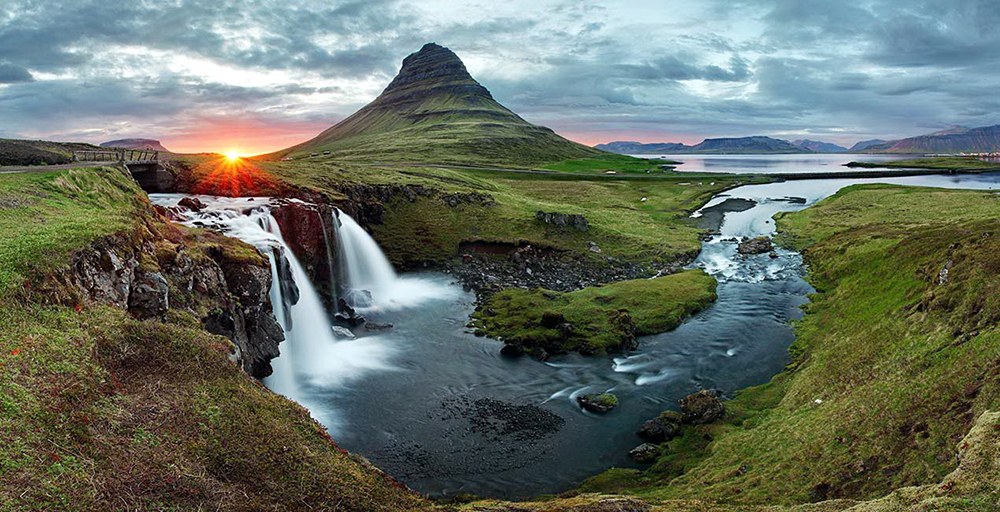
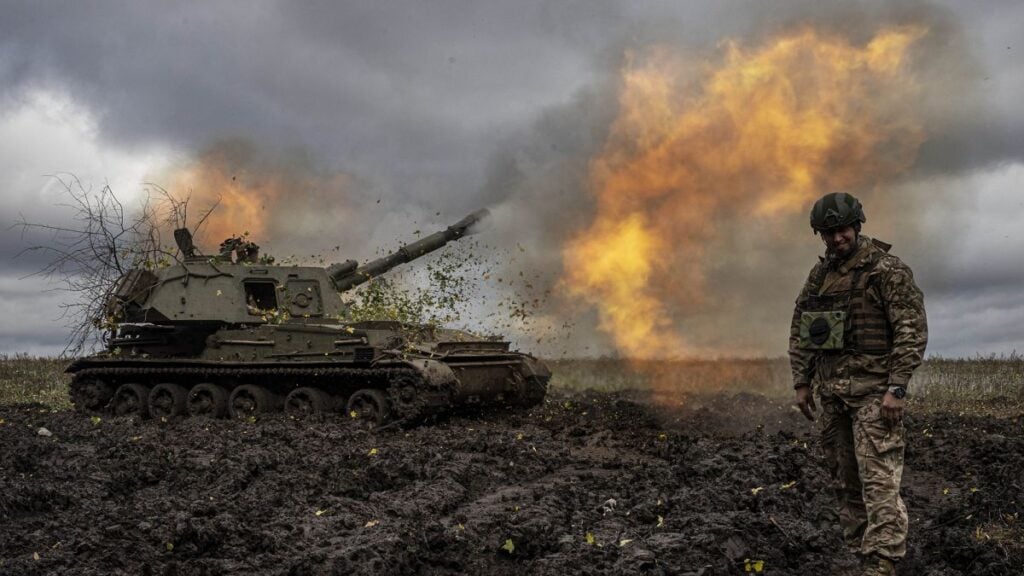
The global tourism map is changing again. Due to escalating conflicts and political instability in the Middle East, travelers are increasingly turning away from traditional destinations in favor of countries with high levels of security, stable political situations, and developed infrastructure. Komersant investigated the situation on the market for services .
Tour operators note that the key criteria for choosing a destination are not only price or climate, but above all the level of security, political stability, the effectiveness of the healthcare system, and the quality of the tourist infrastructure.
As a result, demand is shifting to countries that consistently rank among the safest in the world.
Europe: stability and comfort
European destinations traditionally remain one of the safest options for travel.
Iceland consistently tops international safety rankings. The country has one of the lowest crime rates in the world, a high level of social trust, and a well-organized emergency response system. In addition, tourists are attracted by unique natural landscapes — geysers, volcanoes, and glaciers.
Switzerland also remains one of the safest tourist destinations in Europe. A stable political system, high standards of medicine, and transport infrastructure make it popular among family tourists and premium travelers.
Portugal is among the most peaceful countries according to international rankings. It combines a safe urban environment, attractive ocean resorts, and moderate prices compared to other Western European countries.
Asia: high level of order and modern infrastructure
Countries in East and Southeast Asia also show stable demand among tourists.
Japan is known for having one of the lowest crime rates in the world. A developed public transport system, technological infrastructure, and a high culture of safety make the country comfortable even for independent travelers.
Singapore is often called one of the safest megacities in the world. Strict laws, an effective police force, and modern urban infrastructure create a predictable and safe environment for tourists.
Oceania and remote destinations
Another trend is the growing interest in remote countries with high standards of living.
New Zealand is known for its stable political system, low crime rate, and high-quality healthcare. The country is actively developing eco-tourism, offering travelers national parks, mountain trails, and ocean coastlines.
Australia also remains one of the safest destinations for international travel. It has a well-developed tourist protection system, high-quality healthcare, and a modern transport network.
What tourists consider when choosing a country
According to tourism industry experts, today’s tourists are increasingly paying attention to several key factors:
- crime rate;
- political stability;
- accessibility and quality of medical care;
- effectiveness of emergency response services;
- quality of tourist infrastructure.
International ratings, such as the Global Peace Index, which assess the level of security in countries, also remain an important indicator.
As we can see, geopolitical instability in the world is gradually changing the structure of international tourism. Travellers are increasingly choosing not just popular resorts, but countries with a predictable political situation, a high level of security and developed infrastructure.
In the coming years, this trend is likely to only intensify: safety is becoming a key factor in travel planning, and countries that can guarantee it are gaining a competitive advantage in the global tourism market.