China stops imports of Japanese seafood: what is the reason?
19 November 2025 19:21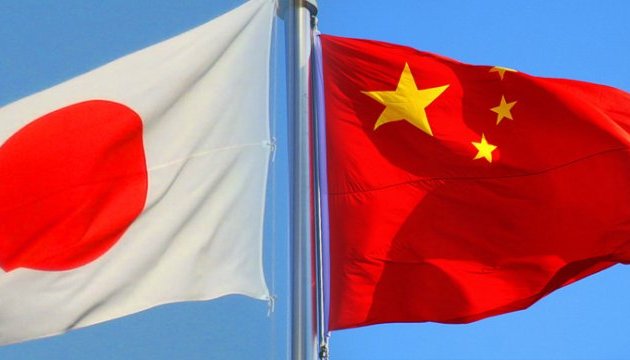
China has notified Japan of a complete ban on imports of Japanese seafood. This was reported by Reuters, according to "Komersant Ukrainian".
The publication notes that the decision was made against the backdrop of a sharp deterioration in diplomatic relations between the two largest economies in Asia.
Officially, Beijing explains the ban by the need for “further monitoring” of water emissions from the Fukushima nuclear power plant.
What was the reason
Tensions between the countries increased after the statement of the new Japanese Prime Minister Sanae Takaichi. She emphasized that China’s attack on Taiwan could pose a threat to Japan’s existence and, consequently, cause Tokyo’s military response.
China demanded that these words be withdrawn and launched a diplomatic and information campaign against Takayichi:
- chinese media and officials sharply criticized her;
- chinese citizens were advised not to travel to Japan;
- the travel industry is recording massive travel cancellations.
For Japan, the world’s fourth largest economy, restrictions on Chinese tourist flows could be a significant blow.
Japan’s reaction
Tokyo said that the government supports the prime minister’s position and has no plans to change it. Japanese citizens staying in China are advised to observe increased security measures and avoid large crowds.
This indicates that diplomatic détente is unlikely to occur in the near future.
Why seafood is an important topic
China has already used a ban on Japanese seafood in 2023 after Japan began a controlled discharge of treated water from Fukushima.
Although the restrictions are officially presented as environmental, experts point out that they have become an element of political pressure and a demonstrative response to statements by the Japanese leadership.
The trade confrontation between the two countries is not new:
- on May 18, China imposed anti-dumping duties of up to 74.9% on imports of engineering plastics from the US, EU, Japan, and Taiwan.
Restrictions in the fishing industry are yet another episode of ongoing tensions in bilateral trade and economic relations.
What does the ban mean?
This situation has strategic implications for both countries:
For China, it is a signal of diplomatic pressure without moving to direct military escalation. At the same time, Beijing is demonstrating its ability to influence Japan’s domestic economic interests.
For Japan, this is a blow to the fishing industry and the tourism sector. The need to respond to growing public anxiety in relations with China and the risk of further deterioration of the security environment in the region.
So far, the positions of the parties remain irreconcilable, and there are no grounds for a rapid change of course to diplomatic de-escalation.