Latvia builds a 280-kilometer fence on the border with Russia
30 December 2025 15:08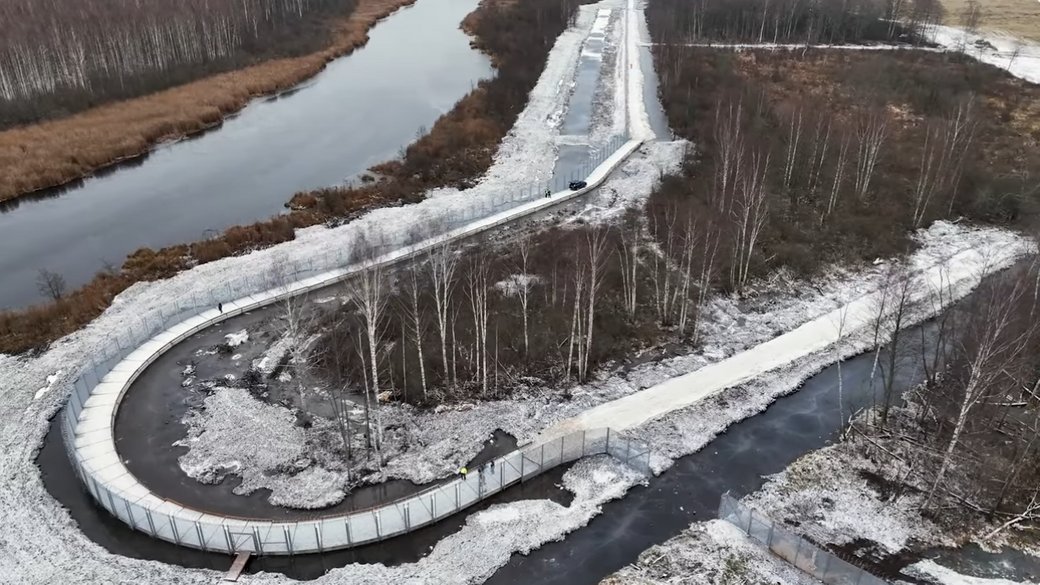
Latvia has completed the construction of a 280-kilometer fence on the border with Russia, the Delfi portal reported, "Komersant Ukrainian" reports.
According to the Valsts nekustamie īpašumi (VNI) company, which was involved in the construction of the fence, the structure provides a continuous barrier in those places where it was envisaged by the technical design. Currently, border infrastructure, including patrol paths, pedestrian bridges in wetlands, observation towers, and other engineering structures, is being arranged. The total cost of the project is estimated at €17.9 million. The main works on the arrangement should be completed by the end of 2026.
Latvian Interior Minister Rihards Kozlovskis said that high-tech equipment is being installed on the border to create a “modern border guard” in the east of the European Union. Finance Minister Arvils Aseradens added that the completion of the border fence and infrastructure development will enhance the operational capabilities of the border guard service. Prior to that, Latvia installed a 145-kilometer fence on the border with Belarus.
Along with Latvia, other Baltic countries, such as Lithuania and Estonia, are building fences on the border with Russia. Finland is also building its own fence. The latter has allocated $143 million for this purpose and plans to protect a 260-kilometer-long section of the southeastern border. In addition to the fence, Helsinki plans to build additional fortifications on the border with Russia: dugouts and bunkers. They must be able to withstand a direct hit from an artillery shell or missile and withstand the explosion of tens of kilograms of explosives.
Poland also built an electronic fence on the border with Kaliningrad Oblast. The $84 million facility stretches along the entire land border with the region, except for the Baltic Spit, for 199 km. In the Baltic Spit area, the border has been guarded by electronic devices for a long time. Warsaw explained the need to build the fence, in particular, by the threat of migration pressure, as Kaliningrad airport has started receiving flights from the Middle East and Africa.