It’s easier to close than to raise a check: how Ukrainian businesses survive during war and blackouts
7 February 12:02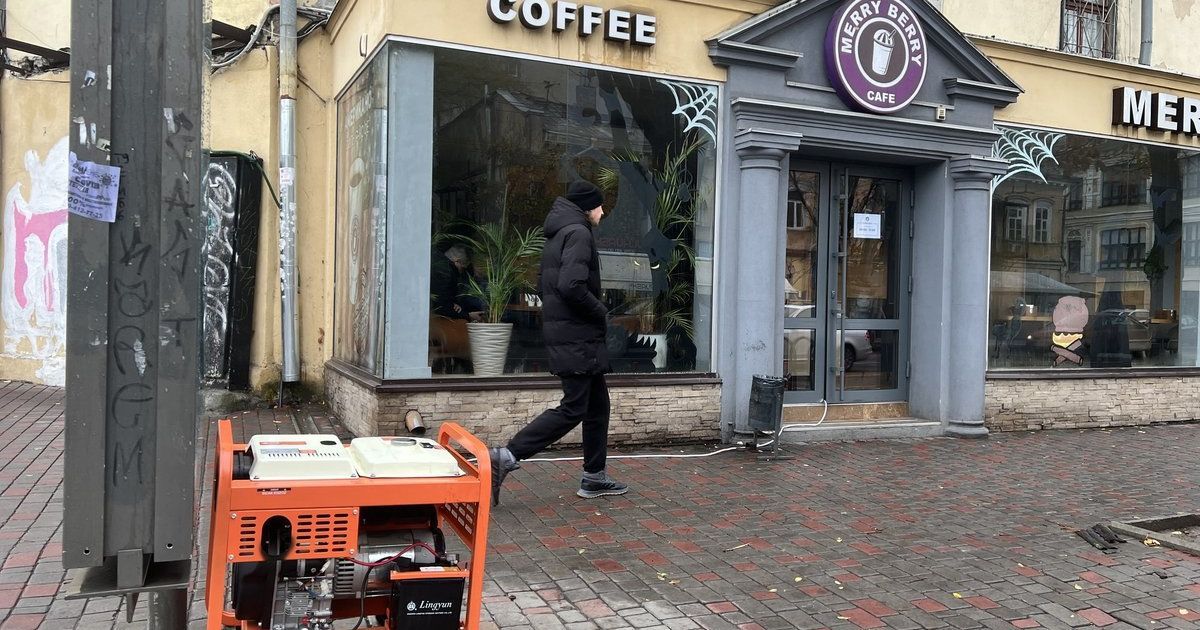 ANALYSIS FROM
Russia’s war against Ukraine has forced Ukrainian businesses to operate in conditions that were impossible to prepare for in advance. Rocket strikes on energy infrastructure, prolonged power outages, cold rooms, and a decline in customer purchasing power have all become the new normal. The restaurant business has been particularly vulnerable, as guest comfort directly determines the survival of the establishment. Against the backdrop of blackouts, some restaurants began adding a separate fee for generator operation to their bills, which sparked heated debate in professional circles and warnings from the State Food and Consumer Service about possible violations of consumer rights. Does a restaurant have the right to pass on the cost of a generator to the customer? Where is the line between business survival and consumer rights violations? And how are Ukrainian restaurants adapting to blackouts, cold weather, and declining attendance during the war — without raising prices and without losing the trust of their guests, writes
During blackouts, some restaurants began adding a separate fee for generator operation to their bills. However, lawyers warn that if customers are not informed of this in advance, the establishment may be fined — sometimes up to a third of the order amount. The law requires fair and clear rules: guests must know what they are paying for before placing their order.
It’s easier to close than to raise the check
That is why many entrepreneurs were faced with a choice: pass the costs on to customers or look for other ways to survive. A couple of entrepreneurs, Dana Sebesevich and Zen Evstigneikin, chose the latter and, as a matter of principle, do not add a “generator” fee to the bill, even during the most difficult periods of power outages. However, in a comment for
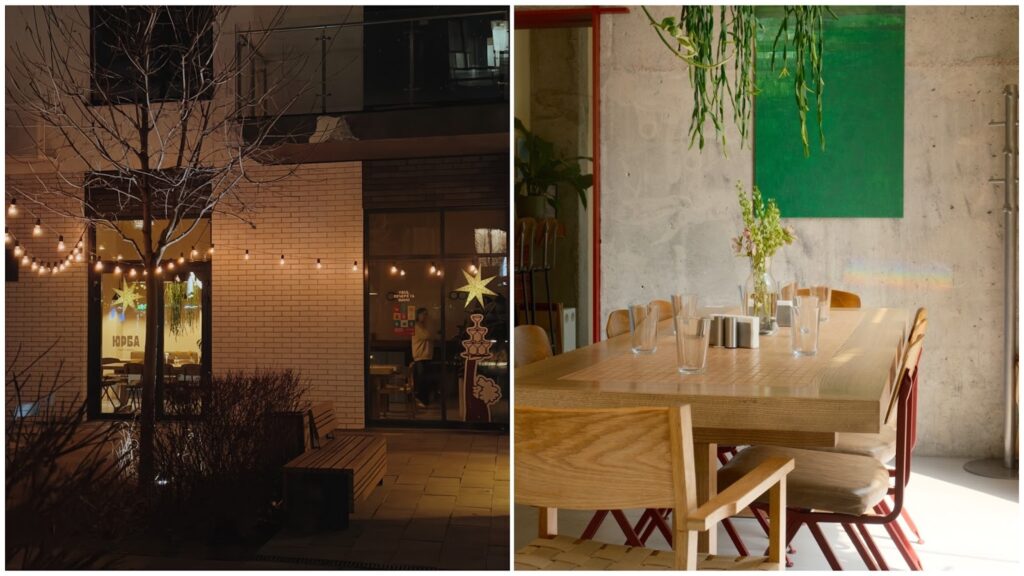
“We opened our restaurant, Yurba, during the war, and of course, no one knew what difficulties we would face. I believe that now is the most difficult time for the restaurant business,” says Dana Sebesevich, co-founder of the restaurant.

Initially, the business relied on autonomy: the establishment operates not on generators, but on battery power systems. This allowed it to survive during short power outages and even set an example for others. But massive blackouts changed the rules of the game.
“We operate solely on our batteries. But with such long power outages, they simply run out. If the power is on for 2-3 hours, we recharge and can operate for 7-8 hours. But when that’s not enough, we simply close the establishment,” explains Zen Yevstigneikin.
Along with the lack of electricity, the cold has become the main enemy of the business. As a result, attendance has fallen by almost half, he says.
Not only customers suffer from the low temperatures, but also the team, which is forced to work in difficult conditions. The growth in deliveries has partially saved the situation, but this is only compensation, not a full replacement for the restaurant.
Generator in the bill: understandable, but not supported
During blackouts, some establishments began adding a separate fee for generator use to their bills. Zen Evstigneikin admits that this is understandable from an economic point of view.
“We hear from our neighbors how much they spend on fuel. For large establishments that consume 60 kW or more, it’s just astronomical. It’s money that literally burns up,” says Yevstigneikin.
However, entrepreneurs themselves do not support this practice.
“I don’t support this story. These are the conditions in which everyone finds themselves — both businesses and customers. Everyone is in a difficult situation right now,” he emphasizes.
No price increases, but a simpler menu
Yurba deliberately chose not to raise prices. The reason is the specific nature of its audience.
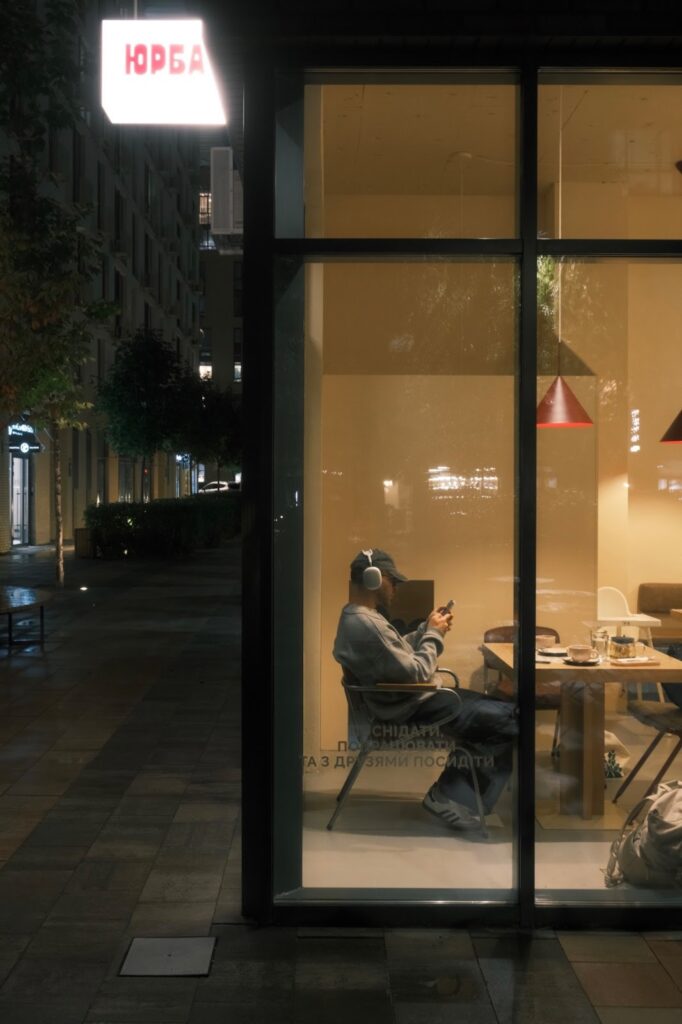
“80% of our visitors are residents of the residential complex. For them, coming to our establishment is a routine, not an event. And they would really feel any price increase,” explains Dana Sebesevich.
Instead, the business made other compromises: simplifying the menu and focusing on basic dishes.
“People no longer want complicated dishes. Previously, there were kotbulars, cordons bleus, and experiments. Now everyone wants simple, understandable, tasty food — to feed their children, to eat when there is no electricity at home,” says the entrepreneur.
Reducing the menu allows them to keep prices down and control food costs, even if it means giving up creative ideas.
In a year and a half of war, everything has changed: costs, customer behavior, team motivation, the very concept of business. Today, people come to establishments not only for food.
Ukrainian businesses in the rear have become part of the country’s resilience. Without pomp, without super profits, often on the brink. But with the decision to stay, work, and keep the community together even when it’s cold, dark, and difficult.