Honey imbalances: why Ukrainian honey is cheaper in Germany than in Ukraine
2 February 13:30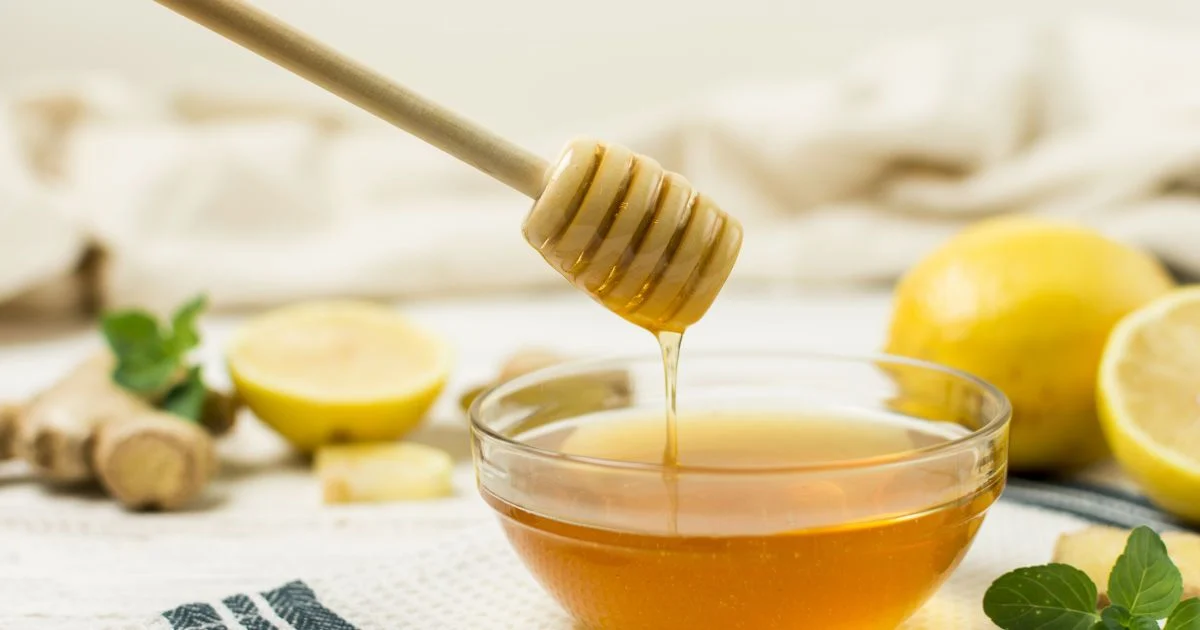 ANALYSIS FROM
The price of Ukrainian honey in Ukrainian retail chains is currently higher than on store shelves in Germany. In addition, not all types of honey are currently available to Ukrainians. Komersant investigated why this is the case.
After last year’s update of the trade agreement between Ukraine and the EU, the duty-free quota for Ukrainian honey increased to 35,000 tons. Compared to 2021, the quota has increased almost sixfold. For Ukrainian honey producers, this means increased trade opportunities. However, for Ukrainian consumers of this sweet product, it is more appropriate to talk about limited opportunities to purchase high-quality Ukrainian honey. This is primarily because last year’s harvest was so disappointing for everyone involved that there were even grounds for a shortage of this product on the domestic market.
How much honey was harvested in Ukraine last year, what affected the honey harvest, what honey can still be found on store shelves, and at what price—read about it
Poor honey harvest
-Last year, nature put many farmers to the test. Honey producers also felt its capricious nature. Mr. Eduard, how critical were last year’s honey harvest figures and what, apart from the weather, influenced them?
-We can tentatively say that Ukraine harvested barely half of the average honey yield. Honey is a product of nature and depends on the availability of nectar from agricultural or wild crops. It is also influenced by humans.
If we talk about 2025, nature has prepared some surprises. A cold spring, a prolonged rainy summer, and then a drought in the south led to a lack of May and spring honey. Then the rain washed away the acacia. The drought in mid-July and early August, when the main sunflower honey harvest takes place in southern Ukraine, meant that we did not collect a large part of the harvest. In other words, nature made adjustments.
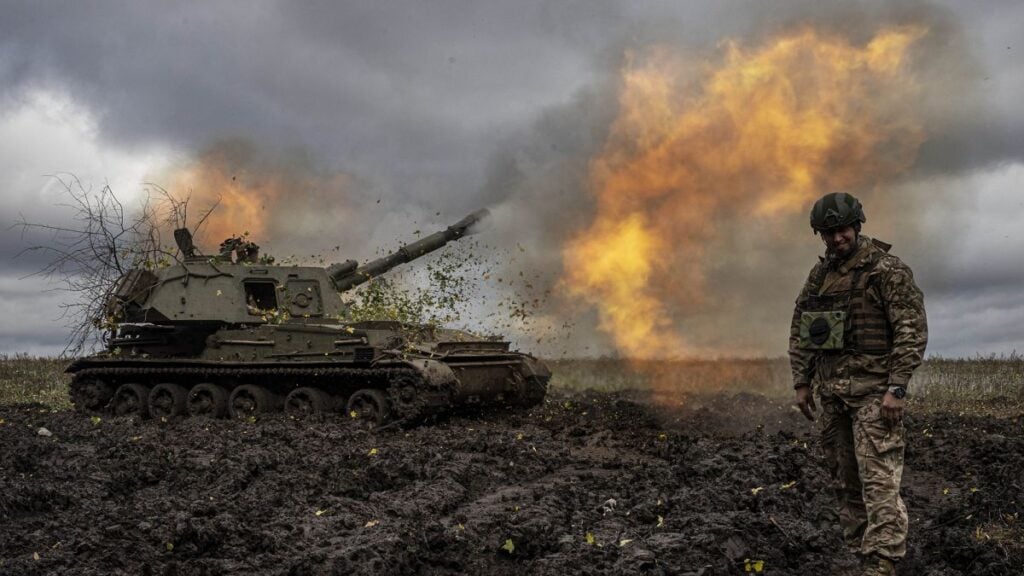
The second factor that affected the amount of honey in Ukraine was the war zone. Beekeepers were relocated from regions where honey harvesting is traditionally strong—Zaporizhzhia, Luhansk, Donetsk, eastern Kharkiv, northern Chernihiv, and northern Sumy. Beekeepers left those areas, and those who stayed had limited opportunities for honey harvesting.
Another factor is that honey is a product that is harvested, hunted for, and traveled for. Industrial apiaries are necessarily nomadic. They travel to harvest honey. Military operations, the inability to move at night due to curfews, limited space in forest plantations, TCCs, and military duty all had an impact. Most beekeepers remained in their stationary locations.
If in previous years the honey harvest could be 80-100 kilograms per bee colony, this year the harvest barely reached 40, somewhere in the best places – 60, and in the worst places there are even 15 kg. In general, we collected half. We did not collect acacia honey, we did not collect May honey, we collected half of the buckwheat honey and half of the linden honey from the volume that we traditionally collected in previous years.
Honey shortage
Ukrainian honey producers now have more export opportunities, but there is less of the product itself. And this is despite the fact that it is in demand around the world. The logical question is: is there enough Ukrainian honey for Ukrainians?
-Ukraine’s honey accounts for two-thirds of supplies to other countries, and we consume one-third domestically. At least, that was the case. But that is no longer the case. The price on the foreign market has always been higher, and with a good, sufficient harvest, we had enough to keep here and to export. But in 2025, with a poor harvest, where did the honey go? Where the price was higher.
-So, is there reason to talk about a honey shortage?
-There is already a shortage. There is not enough honey on the Ukrainian market. The first sign of this shortage is the absence of certain types of honey in retail chains.
We can say that acacia honey is already limited in distribution in stores. Yes, it is still available, it is still being supplied from remaining stocks or in some super-expensive or premium sets, but if you look at it, it is no longer available on the Ukrainian market in large quantities. Linden honey is facing the same fate. Buckwheat honey will soon be completely unavailable.
-If there is a shortage, will the price be adjusted accordingly?
-Of course. Today, the price of Ukrainian honey on store shelves in Ukraine is higher than the price of the same Ukrainian honey on store shelves in Germany.
-With such a price imbalance, perhaps it would be better not to export the product, but to keep it in Ukraine and sell it there.
-That’s a difficult question. There are contracts and obligations — it’s not so easy to redirect honey. Another point. Things will not always be as they are now. If the next harvest is better, what should we do then? We must be transparent both for our Norwegian and Swedish partners and buyers, as well as for our Ukrainian partners and buyers. We must adhere to the same rules.
And when it comes to exports, we must take into account that we are not the only ones on the world’s honey map. And when Ukraine starts losing markets due to poor harvests, whims, and high prices, giving up markets it has worked hard to develop in the past, and they reorient themselves and start buying honey from Latin America, Argentina, Mexico, and Chile instead of Ukraine, that’s bad.
Eduard Krychfalushiy, head of Med Ukrainy, reminds us that the main and traditional buyers of Ukrainian honey are Germany, Poland, and France. In 2025, total exports of Ukrainian honey amounted to 50,500 tons.
Author: Serhiy Vasilevich