Less bureaucracy – more coverage: how the government is resetting the rules for mobile operators
21 November 2025 22:00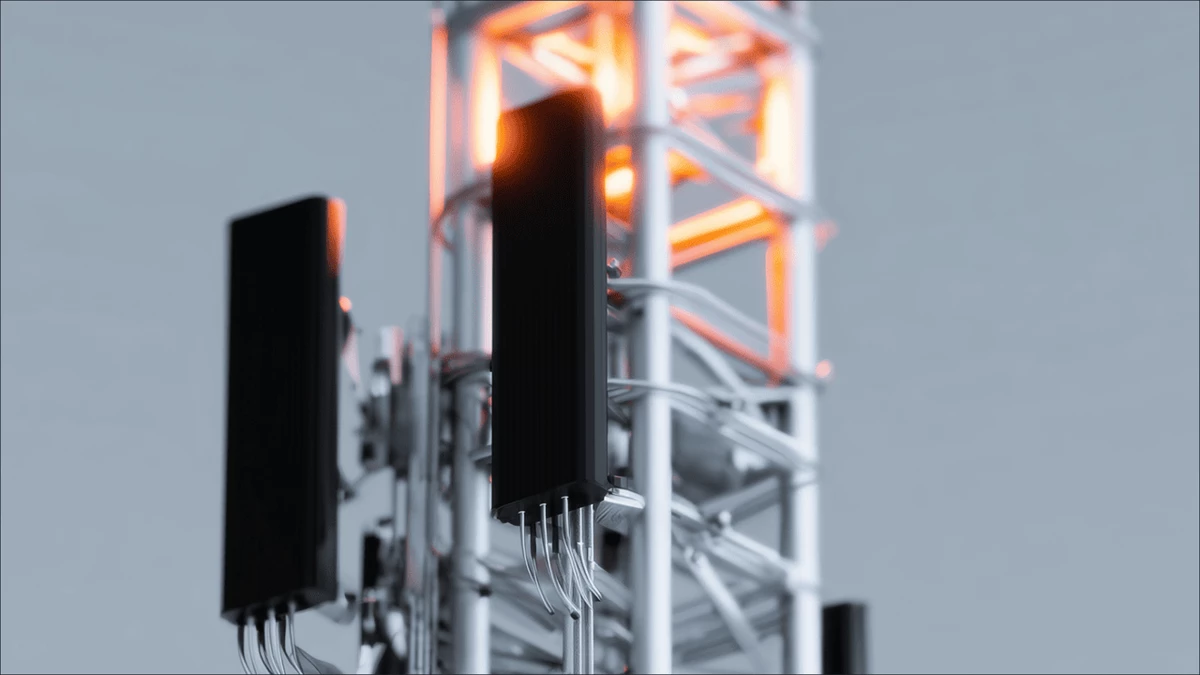
Ukraine has launched an accelerated procedure for obtaining permits for the installation of mobile operators’ base stations. First Deputy Prime Minister and Minister of Digital Transformation Mykhailo Fedorov said on his Telegram channel that the mechanism is already yielding tangible results and significantly shortening the bureaucratic path from idea to communication tower, "Komersant Ukrainian" reports.
The acceleration became possible after the Government adopted Resolution No. 555 in May 2025. The document simplified and unified licensing procedures for the placement of electronic communications facilities, including mobile base stations.
The context is obvious: the war is systematically damaging infrastructure, the frontline is moving, people are leaving and returning, and everyone needs communication – from the military and rescuers to businesses and families who need to call 103. That’s why the government has switched to a procedure that has a chance to keep up with reality.
20 times faster: how the new scheme works
During the first six months of the updated procedure, operators received about 100 permits under the accelerated procedure.
The average time for obtaining a permit is about 25 working days, whereas previously the procedure could take up to two years. Fedorov calls this a 20-fold acceleration of construction.
“In the first six months, we have about 100 permits under the accelerated procedure. Now operators receive permits for base stations within 25 working days on average. Previously, this process took up to two years,” the head of the relevant ministry wrote on his Telegram channel.
“The idea is that:
- some approvals were removed as duplicate or outdated;
- others were transferred to clear deadlines and standardized packages of documents;
- local authorities have been given a clear algorithm so that each community does not have to invent its own unique quest.
Where to build first
The new base stations, which will be built according to a fast-track procedure, are critical for the frontline areas. Sumy region was one of the first regions to start construction according to the new rules. Fedorov emphasized that stable communication in such areas is a matter of security and access to emergency services.
In addition to Sumy region, the largest number of permits was issued in Ivano-Frankivsk, Zhytomyr, Vinnytsia, Lviv, and Rivne regions. This is a mix of frontline and rear regions, where two tasks are being simultaneously solved: strengthening the network resilience and closing the coverage gaps in communities.
Why frontline regions have become a priority for new stations
Fedorov formulates the goal simply: reliable communication in every community, regardless of size or location.
But there are several practical nuances that experts are already emphasizing:
- if communities start to slow down, the acceleration effect will be nullified;
- construction in the frontline areas is more expensive and risky, so fast permits are only half the battle, the other half is the financial and physical ability of operators to maintain and restore the network;
- after the massive launch of the fast-track procedure, it is important to maintain control over safety and compliance so that the acceleration does not turn into chaos.
Watch us on YouTube: important topics – without censorship
Communication as a critical infrastructure
The mobile network in Ukraine has long ceased to be just a service for talking. It is a basic layer of economic resilience.
- Business continuity. 4G/5G coverage means POS terminals, logistics, couriers, field services, banking applications, and small businesses on wheels. The faster the operator can set up a station where needs have grown or infrastructure has been destroyed, the less the economy “sags” in the region.
- Resistance to attacks and blackouts. The denser and more modern the network, the easier it is for it to redistribute traffic and recover from attacks. It is not for nothing that the government is simultaneously launching coordination mechanisms with operators to work in crises.
- Investment attractiveness of communities. Entrepreneurs and investors look at the availability of communication in the same way as roads or electricity: if there is no coverage or it is unstable, the community has less chance of new projects.
However, the start looks convincing: in six months, mobile operators have received as many permits as they could not get in years.
Read us on Telegram: important topics – without censorship