Myth or reality: will Ukrainians have to pay ten times more for quality communication?
15 December 2025 16:48 ANALYSIS FROM
Last week, Ukrainians were discussing the news that spread across the Internet at the speed of sound: starting in the new year, communication services will rise tenfold. That is, those who currently pay UAH 300 per month will have to pay UAH 3,000. This news can hardly be called pleasant, and
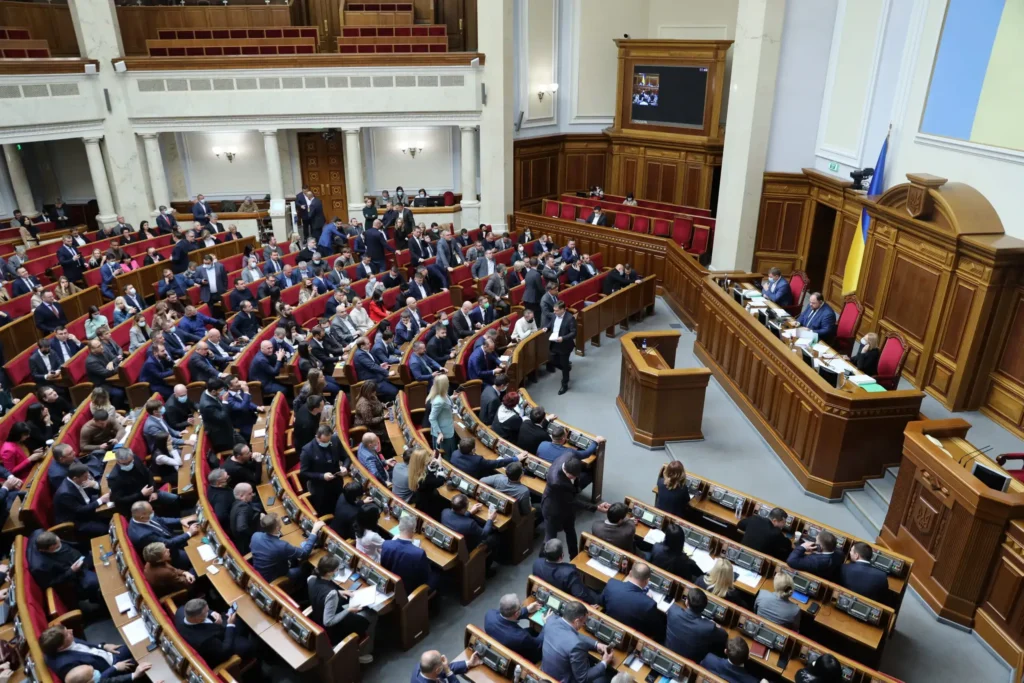
The stir was caused by the bill No. 12094 signed by the president, which changes the rules in the field of electronic communications. The law contains an important novelty: the speed of mobile Internet is proposed to be oriented towards the European standard – up to 100 Mbps. This is a significant increase, as the previous standard required only 2 Mbps, and an average non-IT user could get by with 20-30 Mbps. In addition, users will be able to check the speed on their own if they have a modern, modified router and file claims if the claimed speed does not match the real one.
Overall, the law’s goal is to improve the quality of the Internet across the country, not just in big cities. This is commendable, but there is one caveat: the provider must take care of this by purchasing new, powerful equipment, installing it, and maintaining it. For a provider, the main cost item is buying traffic and upgrading equipment, and if the government requires operators to increase investment in the network, which will theoretically improve coverage, these costs will be borne by the end user, meaning that Ukrainians will pay for it. They have already done the math and decided that this will increase the tariff tenfold.
Providers have no plans to raise tariffs. Not for the time being.
With the question of whether they plan to raise tariffs after this law comes into force and by how much,
“Our goal is to provide our customers with quality service at a fair price. lifecell forms its tariff policy taking into account many factors, from the cost of network support to the macroeconomic situation in the country. To this end, we constantly analyze the market situation and do our best to maintain a balance between network development, provision of backup power sources and accessibility of our services. The tariff policy depends on many factors and we strive to ensure that our offers remain competitive and beneficial for subscribers,” said
in the press service of the company. "Komersant Ukrainian"
In the event of changes in accordance with the current legislation, the provider promised to inform subscribers in advance and offer flexible options for changing the tariff so that everyone can choose the best conditions for themselves.
In its response to the tariff increase on the company’s website, the regional Internet provider Best assured that it would not increase tariffs tenfold.
Konstantin Korsun, an expert in the field of cybersecurity, is confident that there will be no serious tariff increase. If there is, it will be a minor one that subscribers will not feel.
More expectations than real changes
The law, which the press immediately called a reform of mobile communications, was reduced to two promises: guaranteed Internet speed and unlimited national roaming. However, the reality of the law is much more modest than the loud headlines.
The law lays the groundwork for a system in which subscribers themselves will be able to send data on signal quality through special apps. The idea is that operators and the regulator will get a realistic first-hand picture of coverage. This is a plan for the future. The programs themselves are not yet available, and how they will be implemented is a technical issue that has yet to be resolved.
“The document does not prescribe what the ‘minimum speed’ should be. Instead, it gives the regulator (NKEC) official authority to set such standards and methods of their verification in the future. The law creates the “rules of the game” but does not change the “game” itself. The provisions on national roaming do not become permanent in peacetime. They specify an already existing mechanism: in crisis situations (such as martial law), operators are obliged to provide their networks to subscribers of their colleagues to ensure uninterrupted communication. This is a development, not a revolution,” says
telecommunications lines engineer Vyacheslav Taranovsky. "Komersant Ukrainian"
Thus, the signing of this law is not the end, but rather the beginning of a long process. It outlines the framework within which the regulator and companies will operate. New specific speed requirements, new monitoring programs, and the final roaming status are all matters of subsequent decisions, bylaws, and technical implementation. So far, for an ordinary user, the Internet speed has not changed the day after the signing. The law only lays the foundation on which such changes can theoretically be built.
Author: Alla Dunina