A tense exchange took place between Callas and Rubio over the U.S.’s lack of pressure on Russia
28 March 19:08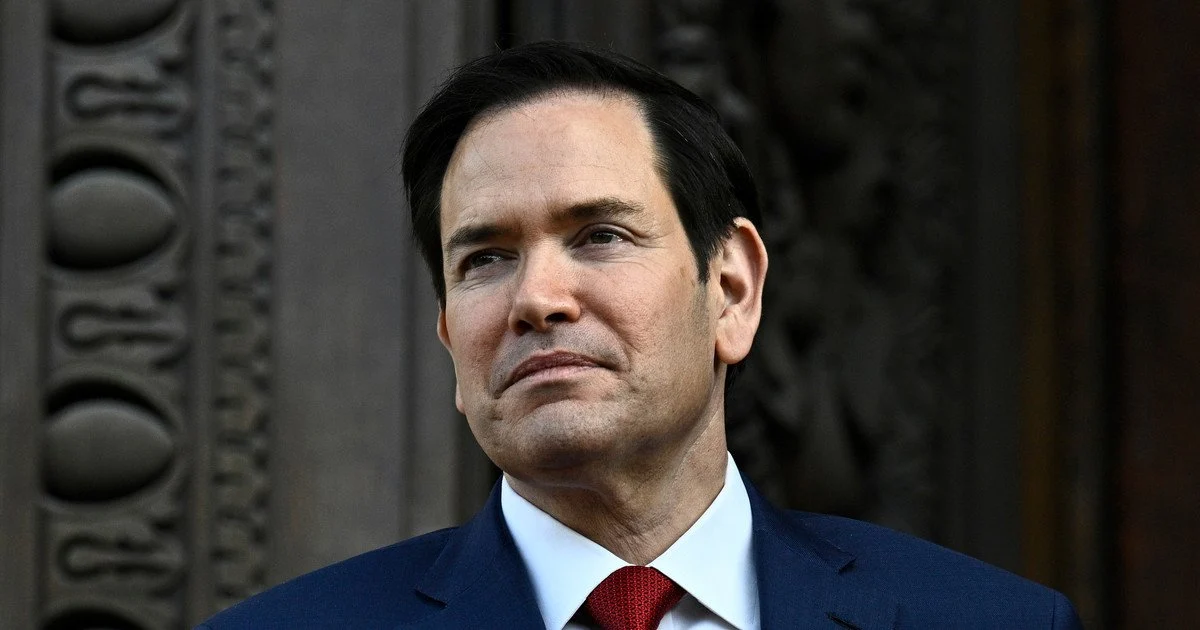
A tense exchange took place between the head of European diplomacy, Kaia Kallas, and U.S. Secretary of State Marco Rubio at the G7 summit, during which Kallas criticized Washington for not exerting enough pressure on Russia.
According to Axios, citing three sources who were present at the meeting, Kallas reminded Rubio that a year ago he had stated the U.S. was ready to take additional measures against Moscow if it obstructed efforts to end the war in Ukraine, reports "Komersant Ukrainian".
“A year has passed, and Russia hasn’t budged. When will your patience run out?” Callas asked.
According to the publication’s sources, Rubio was clearly irritated by this question.
“We are doing everything possible to end the war. If you think you can do it better, go ahead. We’ll step aside,” he replied, adding that the U.S. is negotiating with both sides but is providing weapons, intelligence, and other support only to Ukraine.
After the exchange, several European ministers intervened, stating that they would like the U.S. to continue its diplomatic efforts. At the end of the meeting, Rubio and Kallas briefly stepped aside to try to defuse the tension.
Rubio later denied that there was any conflict. Speaking to reporters after the meeting, he stated that these sessions were dedicated to “expressing gratitude to America” and that “no one there is shouting, raising their voice, or saying anything negative.”
European leaders have been concerned for several months about the progress of peace talks between Ukraine and Russia, which are being led by the U.S. As Axios notes, the war in Iran has heightened anxiety in Europe, especially after the U.S. granted an exemption allowing the sale of Russian oil at rising prices. Last weekend, a Ukrainian delegation met in Miami with President Donald Trump’s special envoys Steve Witkoff and Jared Kushner to discuss the peace process; however, according to Ukrainian officials, no significant progress was made, and the U.S. is now fully focused on Iran, the publication writes.