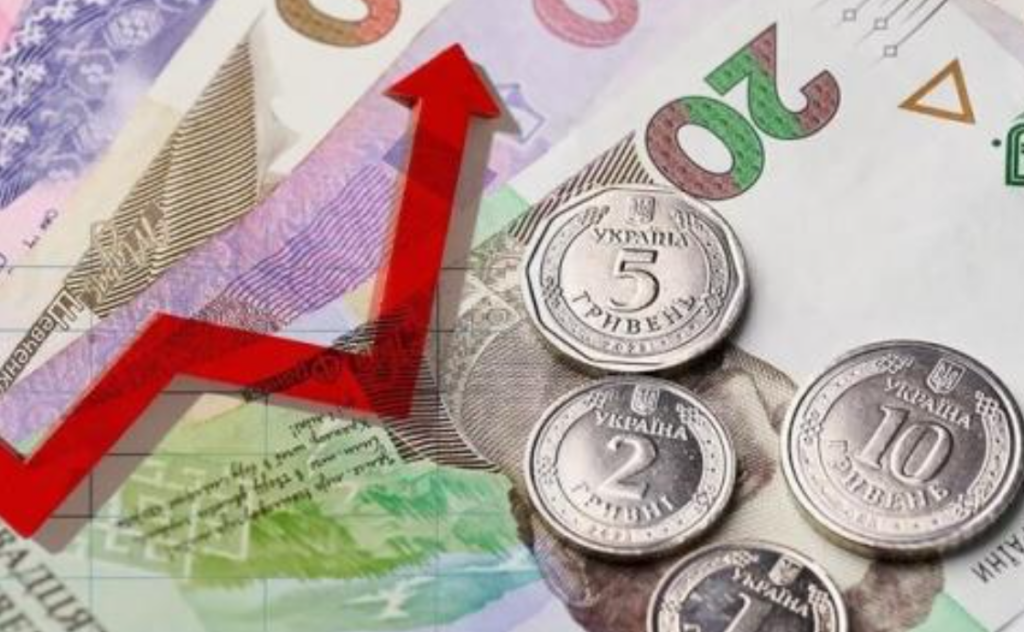
Ukraine’s international reserves hit a record $57.7 billion: what’s behind it
6 February 14:58
According to January results, Ukraine’s international reserves rose to $57.7 billion, a new historic high. This was reported by the National Bank of Ukraine, according to "Komersant Ukrainian".
Compared to the previous month, reserves increased by $357.8 million, despite significant currency interventions by the NBU and payments on external debt.
The key factor is external financing
The main source of reserve growth was the inflow of funds from international partners.
In January, the government’s foreign currency accounts at the NBU received:
- $3,124.0 million through World Bank accounts.
These inflows largely offset the state’s debt servicing costs and the regulator’s interventions in the currency market.
Debt payments and the IMF
At the same time, Ukraine made regular payments in foreign currency:
- $310.7 million — servicing and repayment of public debt, in particular:
- $233.9 million — for external government bonds (EGBs);
- $76.8 million — to other creditors.
Separately, Ukraine paid:
- $171.6 million — to the International Monetary Fund.
NBU interventions: pressure easing
In January, the National Bank continued to support the currency market, but the volume of interventions decreased:
- the NBU’s net currency sales decreased by 20.7% compared to December;
- total sales amounted to $3,729.5 million.
This may indicate a relative stabilization of currency demand and a better balance in the market at the beginning of the year.
Significant contribution of asset revaluation
An additional factor in the growth of reserves was the revaluation of financial instruments due to changes in market value and exchange rates.
- In January , it added $1,445.7 million to the total reserves.
What this means for the economy
According to the NBU’s estimates, the current level of international reserves:
- covers the financing of six months of future imports.
This is considered a comfortable level by international standards and creates an additional buffer of stability for the economy in conditions of war and high dependence on external assistance.