Mobilisation of prisoners: will those convicted of murder be sent to the frontline?
7 June 2024 17:02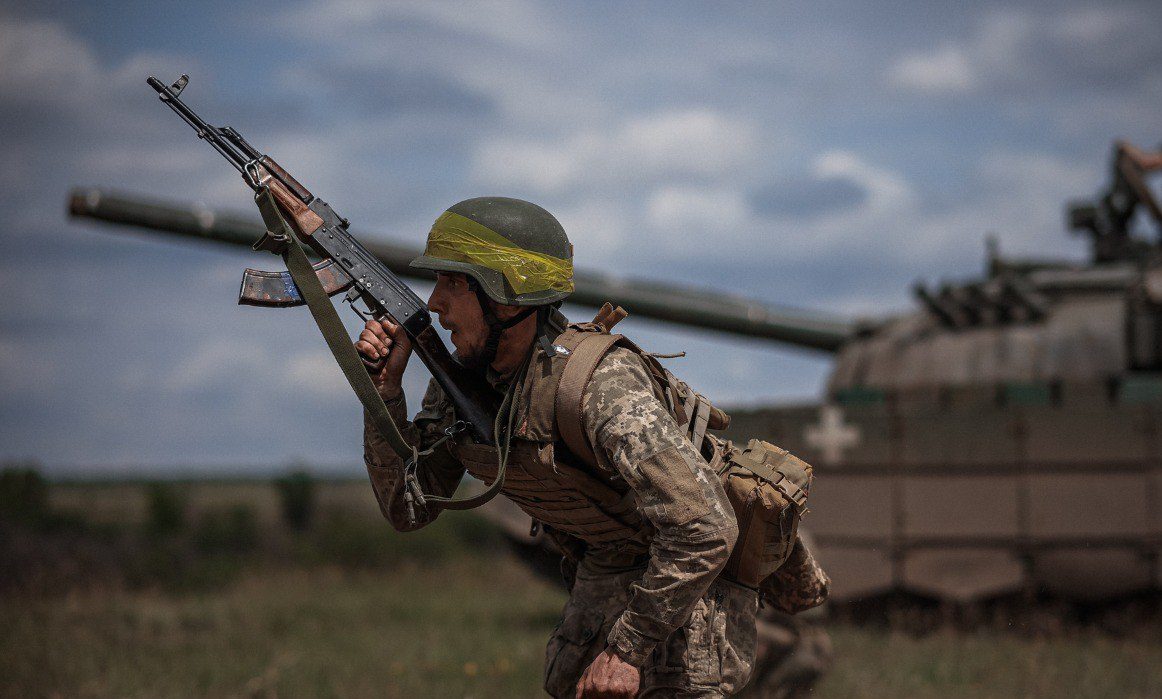 EXCLUSIVE
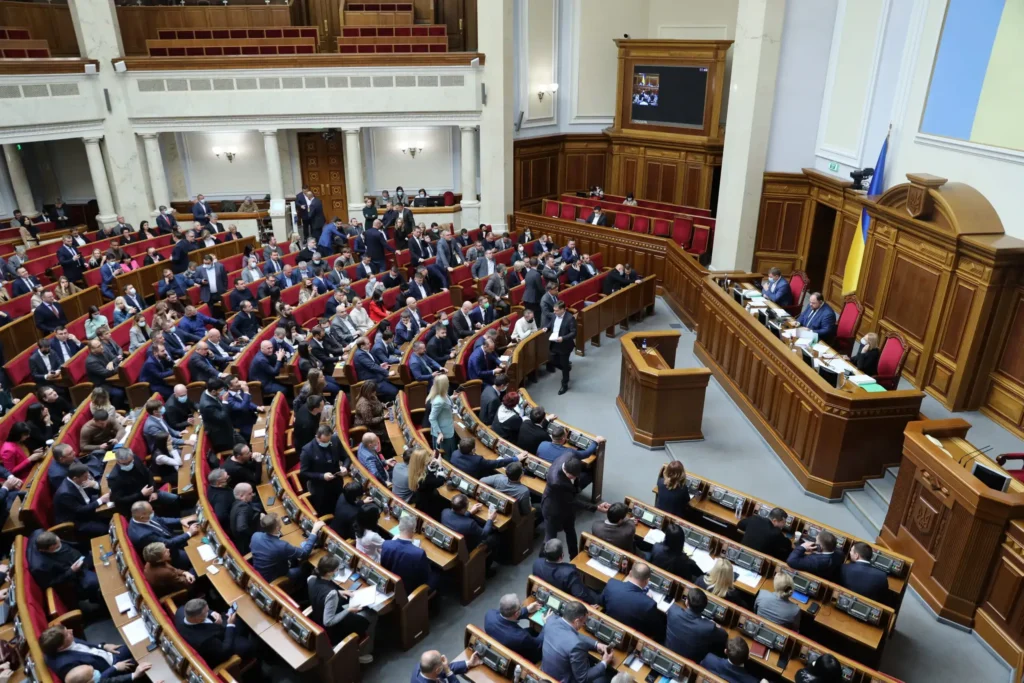
In early May, the Verkhovna Rada passed in the second reading draft law 11079-1, which allows certain categories of prisoners to be mobilised into the Armed Forces of Ukraine. As it turned out, the law also applies to those in prison for murder. However, this is a case of taking the life of one person. For those who have committed more murders, the law does not apply.
To find out whether this is true, whether it violates the rights of other soldiers, and how many prisoners have signed contracts to serve in the Armed Forces, read Kommersant’s article 
Back in April, when the Verkhovna Rada supported the law on the mobilisation of prisoners in the first reading, the Minister of Justice of Ukraine Denys Malyuska stressed that the issue of mobilising prisoners was a complex one in terms of morality and ethics.
“This is a matter of a very big moral dilemma. For example, the deputies immediately said: “we’re going to remove rapists, we’re going to remove everything related to state security”. We removed these categories. They also stipulated that those who have killed two or more people should not be allowed to serve,”
– the Minister of Justice said during the telethon. However, the minister did not explain how the murder of one person differs from the murder of two.
Malyuska did not say how many murderers could be mobilised, but said that Ukraine could recruit 10-20,000 men of military age who are in prison or have criminal records.
One of them is 25-year-old Mikhail Onishchenko. He was convicted of murder, but wants to go to the front to defend Ukraine, the man told Suspilne.
“We fought with a guy and it turned out that he died, and I ended up here. We (the prisoners – ed.) wrote applications, appealed to the Ministry of Justice, asked to go to war from the first day. I have a sincere desire to go to the front,”
– mykhailo said.
In an exclusive comment to Kommersant Ukrainian
“In order to conclude this contract, there must be a court decision. This is the first thing. Secondly, the party signing the contract must be interested in it. If the security and defence sector considers it necessary to take a prisoner into its ranks, we give them this opportunity,” he said,
– he said and stressed that MPs had calculated all the risks of civilian life, to which the convicts would return after the war.
“We have not received any objections from the Ukrainian Parliament Commissioner for Human Rights or other legal institutions,”
– venislavsky emphasised.
However, Maryna Stavniychuk, head of the Rule of Law Committee of the National Bar Association of Ukraine and an expert at the European Commission for Democracy through Law (Venice Commission), noted that the authorities should still provide more information on the implementation of the law in practice, as it still has many “white spots”.
“The authorities must provide not only legal norms, but also full information for Ukrainian citizens on the mechanism for implementing such opportunities in order to not only ensure the right of prisoners to exercise their duty to defend Ukraine, but also to ensure the rights of those servicemen who are currently in the ranks of the Armed Forces,” she said,
– she emphasised.
There are still a lot of open questions about the mobilisation of murderers and the treatment of prisoners in general. It is not known for certain whether they will serve in separate units, as Denis Malyuska previously noted, or whether they will be distributed in small groups to already formed units. With these and other questions, the editorial board sent a request to the Ministry of Justice to thoroughly analyse the topic of prisoner mobilisation.
Author: Alyona Kaplina