IMF updates macroeconomic forecast for Ukraine: why negative risks are high and whether they can be avoided
1 July 2025 22:24
The International Monetary Fund has published an updated macroeconomic forecast for Ukraine, according to which GDP growth is expected to reach 2-3% in 2025, with inflation at 12-13%. At the same time, there are significant risks and the possibility of a negative scenario for the domestic economy is increasing, "Komersant Ukrainian" reports with reference to Reuters.
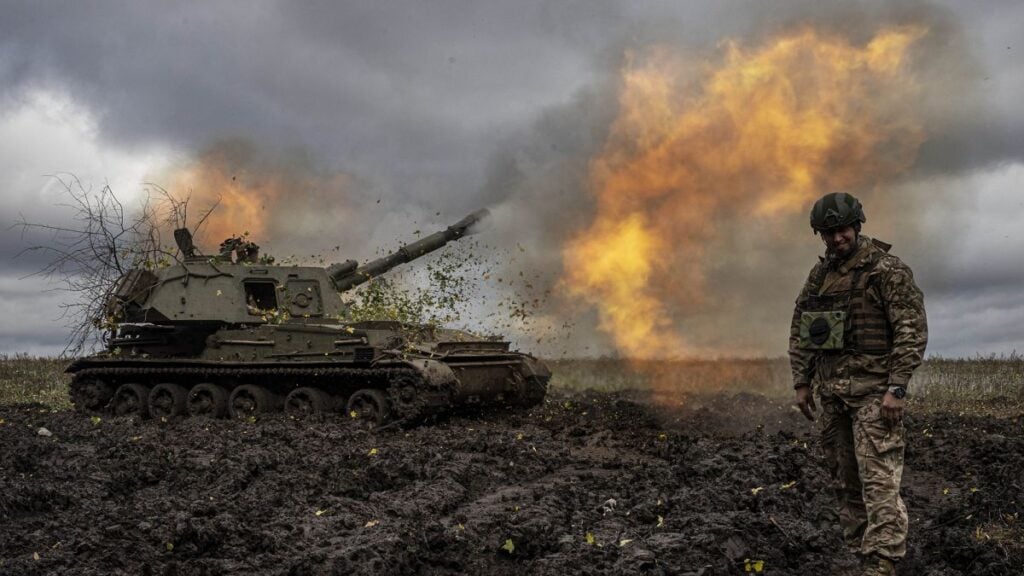
The Fund emphasizes that the risks of a negative scenario remain exceptionally high. One of the main factors is uncertainty about the duration of the war. According to the pessimistic scenario, the fighting may continue until mid-2026, which will trigger a new economic downturn in the third quarter of 2025.
In this case, the investment climate will deteriorate, infrastructure recovery will slow down, and the budget will need to be revised. In addition, the need for external financing and exchange rate policy adjustments will increase.
At the same time, the IMF emphasizes that these forecasts are only true in the baseline scenario, provided that relative stability at the front remains, international financial assistance continues to flow, and public finances are managed effectively.
Among the positive news, analysts highlight the fact that, despite the ongoing hostilities, the Ukrainian economy remains resilient. This is primarily due to financial assistance from partner countries.
Financial assistance: $500 million and support under the EFF
In June, the IMF decided to provide Ukraine with another $500 million under the eighth review of the EFF Extended Fund Facility program. In total, the Fund has already provided more than $10.6 billion to Ukraine since the beginning of the great war.
Together with funds from the EU, the US, and other partners, this allows the government to cover key budget expenditures, including social programs, defense, and infrastructure restoration.
However, the IMF points out the need to mobilize domestic resources, cut inefficient spending, and improve public financial management.
Read also: The IMF has updated its forecast of the duration of the war in Ukraine
Budget challenges: what will change if the war continues
Under the negative scenario, the IMF predicts that external financing needs could increase from $153 billion to $165 billion by 2029. Under the current circumstances, the government does not have much room to cut social spending, so special attention should be paid to cost-effectiveness and transparency in project implementation.
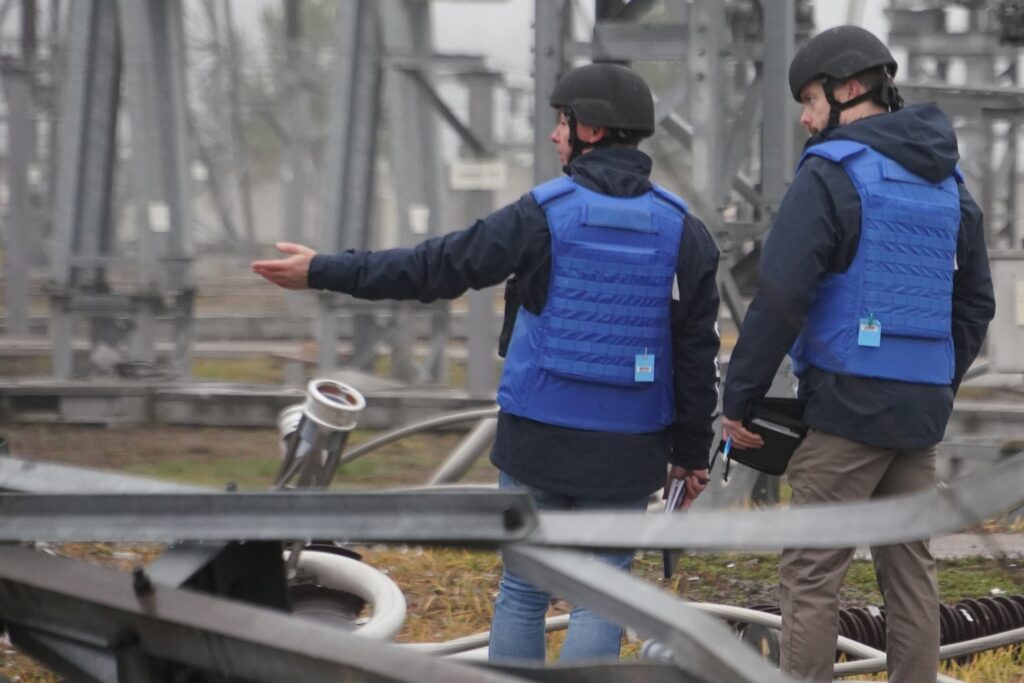
Infrastructure reconstruction is also at risk, particularly in the energy sector, which has already suffered from massive shelling.
Reforms: progress is being made, but challenges remain
The IMF positively assesses the progress in banking sector reforms, including the introduction of international asset valuation standards and the strengthening of the NBU’s supervisory function. However, the Fund notes that the stock market regulator still demonstrates weaknesses, and the fight against corruption remains a major challenge.
The Fund also recommends accelerating the reform of the tax system, privatization of state-owned enterprises, and digitalization of public services.
Forecast to 2029: baseline and pessimistic scenarios
In the baseline scenario, the IMF expects the active phase of the war to end by the end of 2025. In this case, the economy will continue to grow, and the amount of external support will remain within the projected $153 billion. In a negative scenario (with the fighting lasting until mid-2026), the amount of support should increase, and the government will have to make tough fiscal decisions.
International donors, according to experts, will continue to support Ukraine, but their requirements for transparency, managerial efficiency, and political stability will increase.
The IMF emphasizes that the macroeconomic situation in Ukraine remains under control, but is extremely vulnerable to external shocks. The government must continue its reform agenda, maintain cooperation with international partners, and ensure that financial assistance is used effectively.
Ukraine has already demonstrated its ability to adapt to extreme conditions. The challenge now is to ensure stability and development amid the ongoing war.
Читайте нас у Telegram: головні новини коротко