Peace through elections or elections without peace: how to change the President in times of war?
19 February 2025 15:45
 ANALYSIS
The possibility of holding elections in Ukraine has become a mainstream topic in recent days, especially after US President Donald Trump made a statement about it. He said that Ukraine should hold elections, as Zelenskyy’s support among Ukrainians “has dropped to 4%.”
In response to this statement, Ukrainian President Volodymyr Zelenskyy argues that “there is no way to change him now” and that the information about the 4% rating was put into Trump’s mouth by the Russians. According to a KIIS poll released today, Zelenskyy’s support rating is 57%.
However, the presidential election in Ukraine seems to be a fundamental issue for the newly formed US-Russia duo of partners. It has even been reported that the presidential election is one of the stages of the peace process, without which nothing is supposed to happen. And this stage is “sewn” into the very middle of the process: after the ceasefire, elections must be held in Ukraine, and only then will the Russians sign a peace agreement with the new “legitimate” leadership.
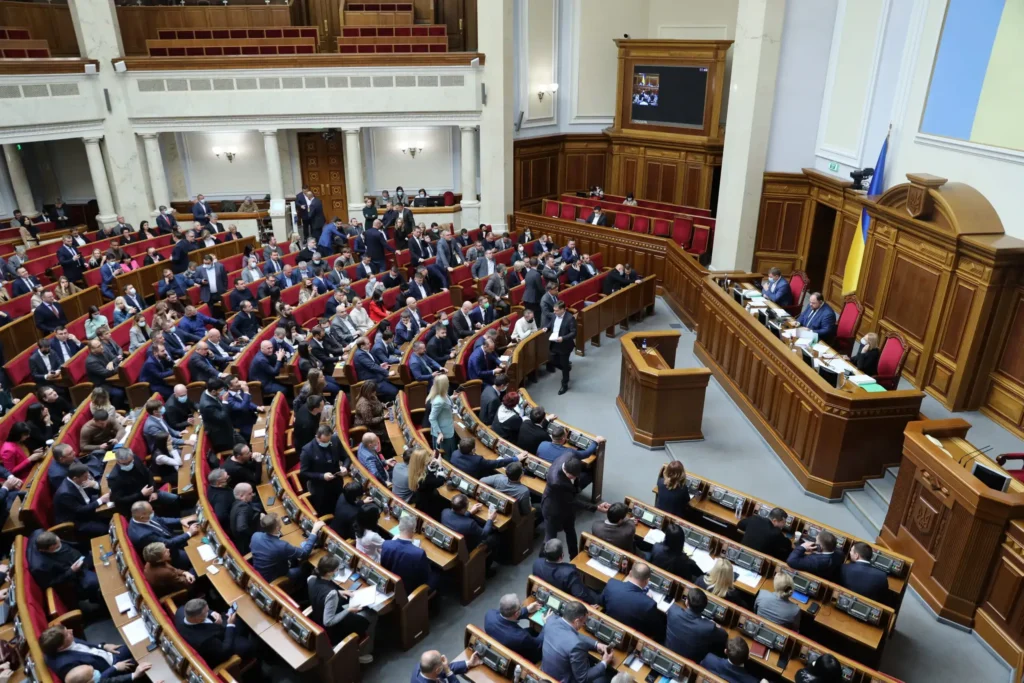
So the thesis “elections are coming” is almost a given, at least in the information space. But martial law is still in effect in Ukraine, and it is very likely that the president and parliament will extend it in May. Together with domestic experts and politicians, "Komersant Ukrainian" analyzed whether it is possible to hold presidential elections under martial law, under what conditions it can be done, and what consequences it will bring to the country.
Legal obstacles: “There are no grounds for elections”
Deputy Chairman of the CEC Serhiy Dubovyk in an exclusive commentary
“As of today, there are no legal grounds for holding elections. Martial law excludes this. No changes have been made to the legislation”.
He explains that even after the war is over, the electoral code will need to be revised and a special law will need to be adopted to regulate certain issues of post-war elections.
In addition, there is the issue of funding.
“If the martial law is terminated, the constitutional mechanisms for organizing elections are activated. As of now, we do not see such prerequisites,”
– emphasized Dubovyk.
Are there any grounds for lifting martial law?
So, elections during martial law are impossible – in order to hold them, this state must be canceled. But is it possible in the current situation? MP Yevheniia Kravchuk says no:
“Martial law is not just a ban on elections, it is a consequence of the war and Russia’s aggression against Ukraine. Martial law is introduced in order for the state to preserve itself, to protect Ukrainians, it gives more powers to the military leadership… This is done so that the country can protect itself from aggression.”
At the moment, she said, there are no grounds to stop this regime, as the country is still under Russian fire.
“There are currently no grounds to end martial law. Drones are flying every night, missiles are flying, troops are advancing,”
– Kravchuk reminds.
MP Yuriy Kamelchuk emphasizes another aspect: the abolition of martial law implies demobilization.
“Lifting martial law will lead to demobilization of the military, which will weaken the Ukrainian army. I see no possibility of holding elections under the threat of shelling,”
– he said in an exclusive comment
Читайте нас у Telegram: головні новини коротко
Security Challenges: Voting under rocket fire?
The issue of security during elections is critical. Kamelchuk explains:
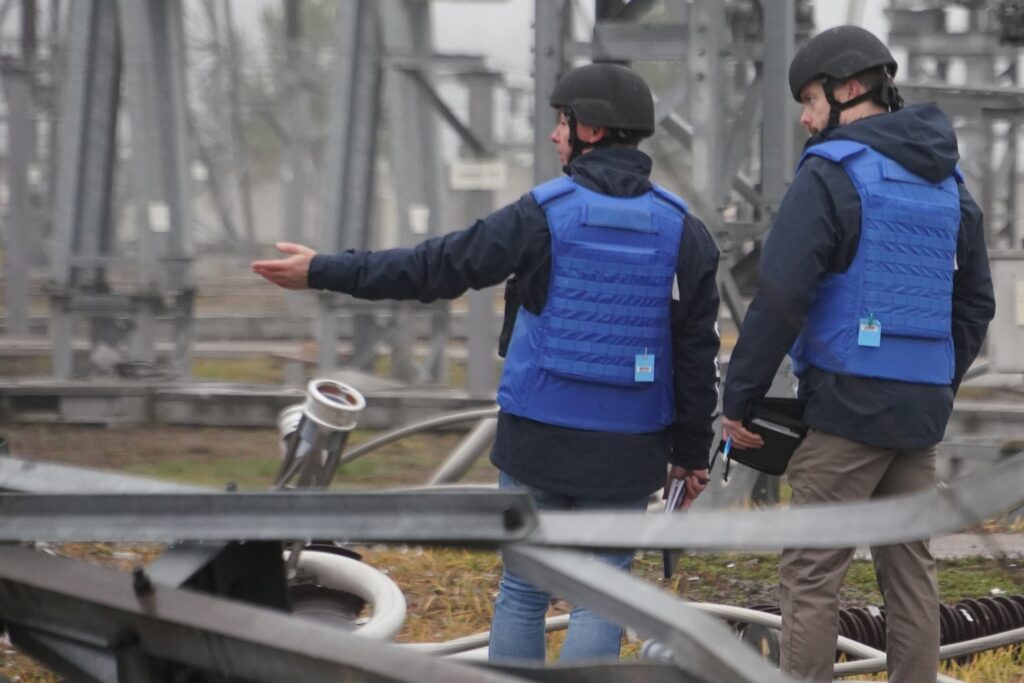
“How can people gather at polling stations and campaign under the threat of shelling?”
Another aspect that worries everyone, except, it seems, Ukraine’s American “partners,” is how to ensure the right to participate in the elections for a million military personnel, especially the hundreds of thousands of those at the front?
“It’s a well-known idea that has been repeated hundreds of times: military personnel who are at or near zero – how will voting be organized among them? To deprive them of this right is a wild injustice. I don’t understand how to explain to them why they will not be involved in the elections, not to mention voting,”
– says the MP.
His colleague Heorhii Mazurashu is even harsher:
“The country is in war, blood, destruction, and someone is thinking about elections? It looks like a scenario that is only beneficial to the enemies.”
“If they force us, it means that someone needs it”
However, the role of “international partners” in the decision regarding the elections in Ukraine may prove decisive. Mazurashu does not rule out a scenario where Ukraine could be forced to hold elections.
“There may be an option when strong global players simply force Ukraine to accept certain conditions for ending the war. And we understand that despite all the emotions and heroism of our defenders, we cannot cope with the aggressor without external help. Therefore, we are very, very dependent on those who provide assistance and will have to accept the conditions that our partners consider acceptable,”
– he notes.
However, as MP Mykhailo Tsymbalyuk emphasizes, there are no prerequisites for holding democratic, free elections.
“As of today, I do not see any possibility of holding democratic and, I emphasize, free elections in Ukraine. The question of how to ensure the voting of the military and people abroad, who, according to various estimates, number 5 million, has not been resolved. The next thing is how to ensure the right to be elected for the military or people abroad,”
– comments the MP.
In other words, the elections can be held, but then their legitimacy can and will be questioned.
Conclusions: the realism of the elections is in question
The analysis of expert comments shows that it is unlikely that elections will be held at this time. Legal restrictions, security risks, military and refugee voting issues, and international pressure create a complex political landscape.
It is likely that in the coming months, elections in Ukraine will remain a subject of political discussion rather than a realistic prospect. Everything will depend on the evolution of the war, the position of international partners, the course of Russian-American negotiations, and the decisions of the Ukrainian authorities.