Oil rises in price in anticipation of new sanctions against Russia
8 September 2025 08:43
Oil prices jumped by more than 1% on Monday, partially recovering from last week’s drop. The growth was caused by the prospects of new sanctions against Russian oil, which offset the planned increase in OPEC production. This was reported by "Komersant Ukrainian" with reference to Reuters.
According to OilPrice.com, the price of Brent crude oil rose by 79 cents (1.21%) to $66.29 per barrel as of 08:25 Kyiv time. US WTI crude rose 73 cents (1.18%) to $62.60 per barrel.
Both benchmarks fell by more than 2% on Friday due to a weak US employment report, which worsened energy demand forecasts. Over the past week, they lost more than 3%.
OPEC increases production
On Sunday, OPEC agreed to further increase oil production starting in October. This decision was initiated by Saudi Arabia, which seeks to regain its market share while slowing the growth rate compared to previous months.
OPEC has been increasing production since April after years of cuts to support the oil market, but the latest decision came as a surprise amid a likely oversupply of oil in the northern hemisphere’s winter months.
The eight OPEC members will increase production by 137 thousand barrels per day starting in October, down from monthly increases of about 555 thousand barrels per day in September and August and 411 thousand barrels per day in July and June.
Дивіться нас у YouTube: важливі теми – без цензури
Russian-Ukrainian war
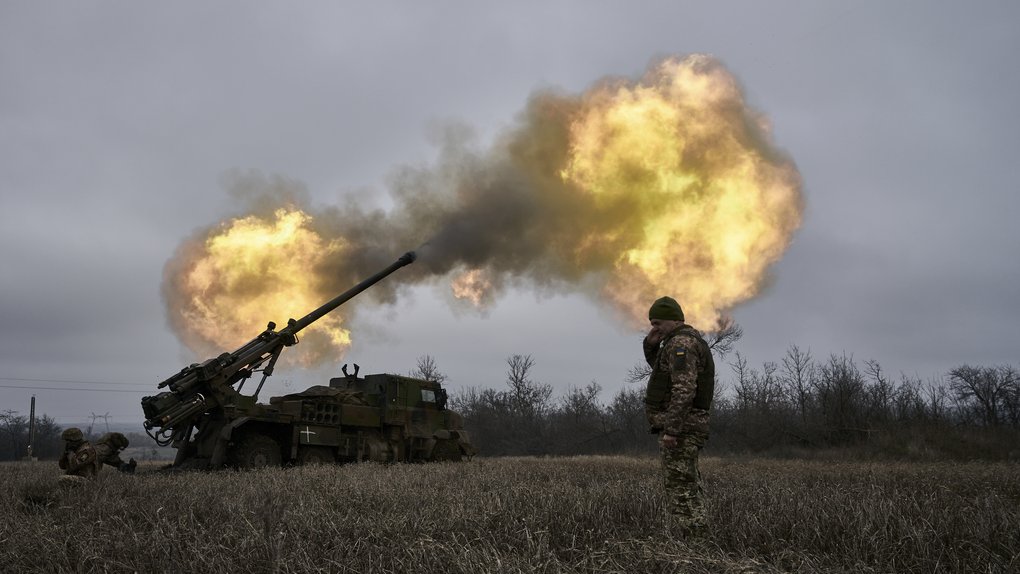
On Sunday, Russia conducted another air strike on Ukraine, setting fire to the main government building in central Kyiv and killing at least four people.
Afterwards, US President Donald Trump said that some European leaders would visit the United States on Monday and Tuesday to discuss ways to resolve the Russia-Ukraine war. Trump added that he was “dissatisfied” with the state of the war, but reiterated his confidence that the war would end soon.
Analytics and forecasts
“There was some buying as the [OPEC] production increase was less than expected, while fading prospects for peace in the Russian-Ukrainian war and the idea that Russian oil will not flood the market also supported prices,”
– commented Satoru Yoshida, commodities analyst at Rakuten Securities.
“The oil market was supported by relief from a modest increase in OPEC production and a technical rebound after last week’s drop. Expectations of a tighter supply due to potential new US sanctions against Russia are also supporting the market,”
– said Toshitaka Tazawa, an analyst at Fujitomi Securities, adding that the increase in OPEC production has been priced in since last week.
In a note, Goldman Sachs said it expects a slightly larger oil glut in 2026, as increased supply in the Americas outweighs declining supplies from Russia and stronger global demand.
The bank left unchanged its 2025 Brent/WTI price forecast and projected an average price for 2026 of $56/$52 per barrel, noting:
“Risks to our 2025-2026 price forecast are bilateral, but slightly upside.”
What these forecasts mean for Russia
It is well known that Russia is critically dependent on its energy exports. First of all, on oil exports. In 2024, the federal budget revenues from oil sales amounted to 9.19 trillion rubles (approximately $89.4 billion). Total budget revenues for this period amounted to 36.71 trillion rubles. Thus, the share of oil revenues in the total structure of Russian budget revenues in 2024 was approximately 25%
This indicates that, despite international sanctions and attempts to diversify revenue sources, oil remains a key source of financing for the Russian budget.
Russian Urals oil is traditionally sold at a lower price than Brent and WTI, and it is also subject to additional factors that raw materials from other countries do not experience, namely Western sanctions. However, during all three years of the full-scale war with Ukraine, Russia has been successfully selling its oil – its main buyers today are China and India.
The federal budget of the Russian Federation for 2025 included an oil price of $70. However, according to the Ministry of Finance, on September 4, the price of Russian Urals was $61.66 per barrel. Against this backdrop, the Russian state budget deficit has already amounted to 4.88 trillion rubles, or 2.2% of GDP, of which more than a trillion was incurred in July. This hole in the treasury is almost 4.5 times higher than in the same period in 2024, when the deficit was 1.1 trillion rubles, or 0.5% of GDP.
So far, market analysts’ forecasts do not promise Russia any serious problems related to the oil price, as it still has a very large backlash for sales. According to economic expert Oleg Pendzin, even a price of $50 per barrel is still acceptable for Russia.
“Currently, the direct cost of Russian oil production is about $37-38 per barrel. This is the direct cost. The critical figure for Russia is the sales price of $45,”
– the economist explained exclusively for .
That is, even if Goldman Sachs ‘ forecast of $52 per barrel for WTI oil in 2026 turns out to be prophetic, Russia will be quite hurt, but still “tolerable.” Especially if India does not give up on Russian oil.
Therefore, the more likely way to hurt Russia over oil is still to increase sanctions, including secondary sanctions against its buyers. The point of this step is to make it physically impossible for Russia to sell large volumes of oil and thus receive funds to continue its aggressive war of aggression. Trump’s tariffs against India are aimed at exactly that.
Читайте нас у Telegram: головні новини коротко