Oil above $100 and nerves at gas stations: how the war in the Middle East is driving up fuel prices and what Trump is saying
9 March 11:17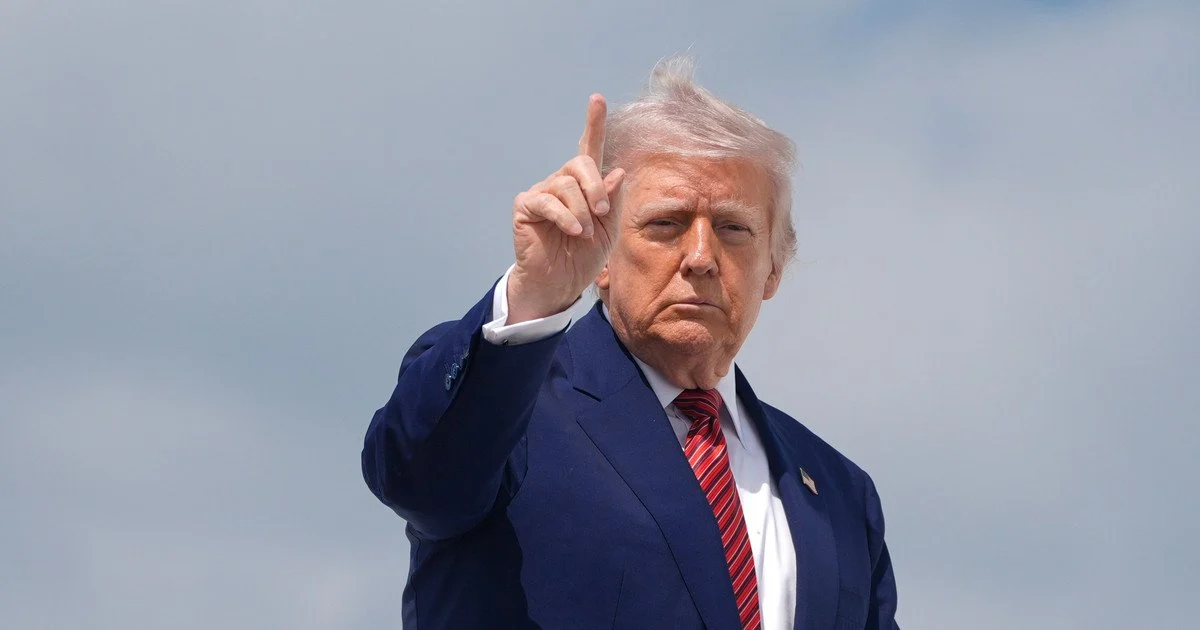
The escalation of war in the Middle East has once again shaken the global energy market. World oil prices have skyrocketed, and American drivers are already feeling the effects at the pump. Against this backdrop, US President Donald Trump says that the temporary rise in energy prices is a small price to pay for security and the elimination of the nuclear threat from Iran, writes "Komersant Ukrainian".
The jump in oil prices
After the conflict escalated, oil prices rose sharply and exceeded the psychological mark of $100 per barrel for the first time in a long time. Brent crude oil rose by about 18% to $108.68, and US West Texas Intermediate (WTI) rose by almost 20% to $108 per barrel.
This is the sharpest increase since the start of Russia’s full-scale war against Ukraine in 2022. The reason for the current jump was the military action of the US and Israel against Iran, as well as risks to shipping in the strategic Strait of Hormuz, one of the world’s key energy corridors.
A significant portion of global oil supplies pass through this narrow sea artery. Any restrictions on tanker traffic are immediately reflected in prices.
Trump’s position: “the price of security”
US President Donald Trump acknowledges that a short-term increase in energy prices is inevitable, but calls it justified.
According to him, once the Iranian nuclear threat is eliminated, prices will quickly return to their previous level and may even fall below it.
“Short-term oil prices, which will fall rapidly after the elimination of the Iranian nuclear threat, are a very small price to pay for security and peace for the US and the whole world,” Trump said. He also responded sharply to critics, noting that “only fools think otherwise.”
At the same time, the US administration does not plan to use the country’s strategic oil reserve. Currently, there are approximately 415 million barrels of oil in storage, but the White House believes that this will not solve the problem of supply disruptions through the Strait of Hormuz.
Tanker protection and geopolitical games
Washington is considering another option: military escort for oil and gas tankers in the Persian Gulf. The US may provide insurance guarantees and naval escort for ships to ensure a continuous flow of energy to world markets.
Such a move also has a strategic dimension. First, it is a signal to China, which receives almost half of its imported oil from the Persian Gulf region. Second, high prices stimulate increased shale oil production in the US, strengthening the country’s position as one of the key energy suppliers to Asia.
In addition, Washington is reminding its allies in the Persian Gulf of the price of American military protection, especially against the backdrop of instability in the region.
Americans are feeling the pinch
Despite the president’s optimistic statements, ordinary Americans are already facing the real consequences of energy turbulence.
According to the American Automobile Association, the average price of regular gasoline at the beginning of March was $3.32 per gallon — about 11% more than a week ago. This is the highest figure since September 2024.
Diesel fuel has risen even more sharply, to $4.33 per gallon, which is 15% more than a week ago and the highest since the end of 2023.
Analysts warn that the situation could worsen. If oil prices continue to rise, gasoline in the US could soon cost $3.50–3.70 per gallon.
Domino effect on the economy
More expensive fuel means higher costs for transportation, manufacturing, and logistics. The rise in the price of diesel fuel, which is used in freight transport, agriculture, and industry, is particularly sensitive.
Economists warn that if the trend continues, it could lead to a new round of inflation, from food to everyday goods.
Thus, the war in the Middle East is gradually turning not only into a geopolitical crisis, but also into an economic challenge. And although Donald Trump promises a rapid drop in prices after the end of the operation against Iran, American drivers are already paying more — and do not yet know when the situation at gas stations will stabilize.