“Naftogaz”: A company employee was killed in a Russian drone attack
28 March 17:09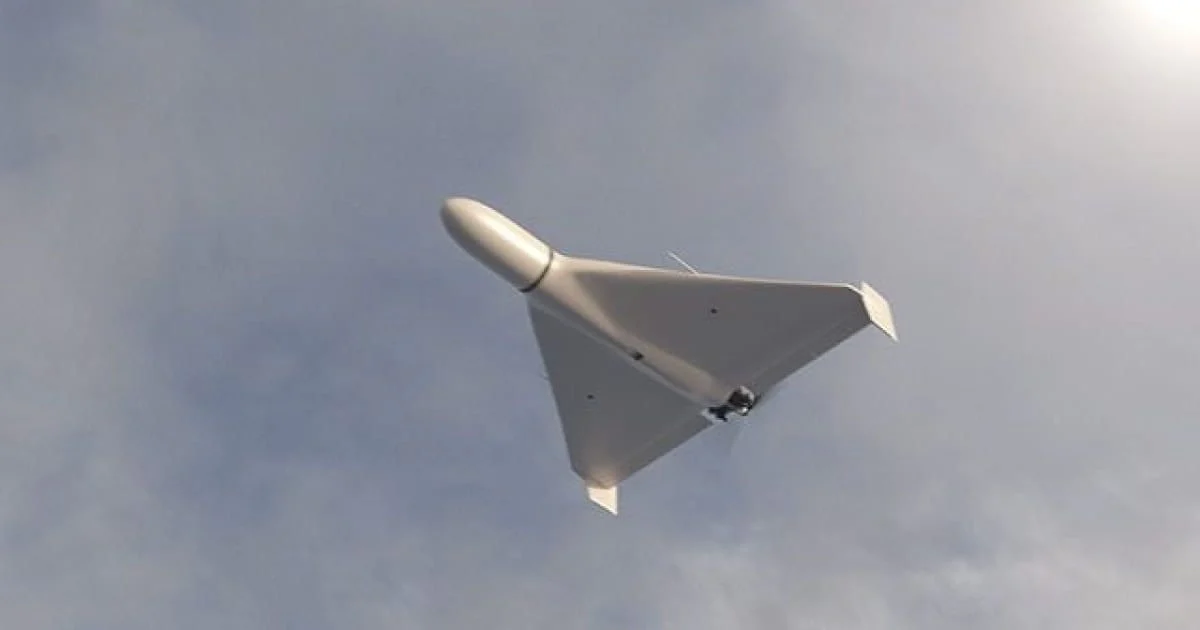
For the third consecutive day, the Russian Armed Forces have been carrying out drone strikes on gas production facilities belonging to the Ukrainian company Naftogaz in the Poltava region. This was reported on Saturday, March 28, by Naftogaz’s press service, according to "Komersant Ukrainian".
“It has been a very difficult week… We have suffered a heavy loss. Our colleague, 55-year-old Roman Chmykhun, was killed during one of the attacks. He worked as a process plant operator,” the company stated.
This is the second employee fatality in a week, Naftogaz noted. All emergency services are on the scene.
Head of Administration: Strikes on a residential building and industrial facilities recorded
As Vitaliy Dyakovnych, head of the Poltava Regional State Military Administration, clarified on Telegram, Russian Armed Forces UAVs struck the Poltava region overnight. Hits on a residential building and industrial facilities in the Poltava district were recorded, and one person was killed, he noted.
As a result of a drone crash, damage to windows in two buildings in the Poltava district was recorded. An industrial facility was attacked again in the morning, Dyakovnych wrote.
Bloomberg: Ukraine may run out of war funds by June
A day earlier, Bloomberg reported that Ukraine could run out of money for the war by June. Meanwhile, according to Kyiv’s estimates, $15 billion is needed this year to purchase weapons from the U.S. for the Ukrainian Armed Forces. In total, the country will need $52 billion in foreign aid in 2026.
Russia reaps windfall profits from the war in Iran
At the same time, Russian budget revenues have increased significantly due to the U.S. and Israeli military operation against Iran, which has been ongoing for nearly a month, and the resulting rise in global energy prices. On March 12, the United States temporarily eased sanctions against Russian oil. This decision drew criticism, particularly from German Chancellor Friedrich Merz.
On March 22, U.S. Treasury Secretary Scott Bessent acknowledged that Moscow could earn up to $2 billion from the war in Iran. He stated that the easing of sanctions against Russia and Iran was intended to prevent oil prices from surging to $150 per barrel, which, according to Bessent, would allow these countries to earn even more.
Russian Deputy Prime Minister Alexander Novak stated on March 26 that Russia had begun selling its oil and petroleum products either at a zero discount or at a premium due to demand. At the same time, he noted, freight costs have risen because many oil tankers are stuck in the Strait of Hormuz due to the blockade of Iran.