NBU raises key policy rate to 14.5% and may not stop there
23 January 2025 15:28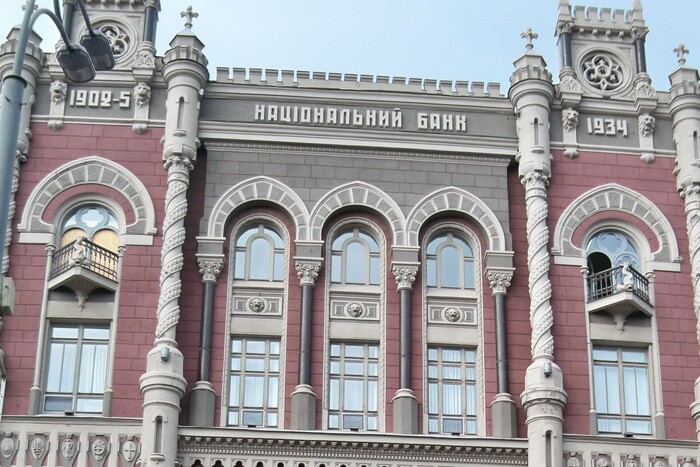
In order to maintain the stability of the foreign exchange market, keep expectations under control and gradually bring inflation to the 5% target, the NBU Board has decided to raise the key policy rate by 1 percentage point to 14.5%. This was reported by the National Bank, according to "Komersant Ukrainian".
Along with the discount rate, the rates on overnight deposit certificates, three-month deposit certificates and refinancing loans will be increased by 1 percentage point – to 14.5%, 17.0% and 17.5%, respectively.
What to expect from the key policy rate hike
According to the NBU, the key policy rate increase is aimed at ensuring adequate protection of hryvnia savings from inflation and maintaining public interest in hryvnia assets, as the acceleration of inflation in the second half of 2024 and the associated deterioration in household inflation expectations led to a decrease in the real yield on hryvnia savings instruments.
The decision to raise the key policy rate should also help ease pressure on the FX market and prices.
How the key policy rate will change in the future
The NBU said in a statement that its updated macroeconomic forecast envisages further key policy rate hikes to curb inflation, and the NBU is likely to continue tightening its interest rate policy at upcoming monetary policy meetings. This is possible if signs of persistent inflationary pressures and the threat of an imbalance in inflation expectations persist.
The next meeting of the NBU Board on monetary policy will be held on March 6, 2025.
What will happen to inflation
The NBU reminds that inflation in 2024 reached 12% and price pressure has persisted since the beginning of 2025.
As NBU Governor Andriy Pyshnyi explained in a press commentary, the high growth rate of consumer prices was largely determined by temporary factors. At the same time, fundamental price pressures were also increasing, as evidenced by a further acceleration in core inflation (to 10.7% yoy in December), in particular due to the rapid growth in prices for services.
According to the NBU governor, this price trend was driven by higher business costs for raw materials, supplies, and electricity, as well as higher wages amid a persistent shortage of staff. At the same time, in recent months, price growth has been restrained to some extent by the strengthening of the hryvnia against the euro, which is important for Ukrainian imports.
As for inflation forecasts, the NBU believes that inflation is likely to continue to rise in the first months of 2025 due to the continued influence of both temporary factors, such as the effects of last year’s lower harvests, and fundamental factors, such as pressure from business production costs. Inflation will peak in the second quarter of the year and begin to decline in the middle of the year.
Inflation is expected to slow to 8.4% by the end of 2025, and to the 5% target in 2026. This will be supported by the NBU’s interest rate and exchange rate policies, as well as higher harvests, improved energy situation, lower fiscal deficit, and moderate external price pressure.