Neo Food System launches construction of a large kitchen factory near Kyiv: what is known
10 December 2025 14:46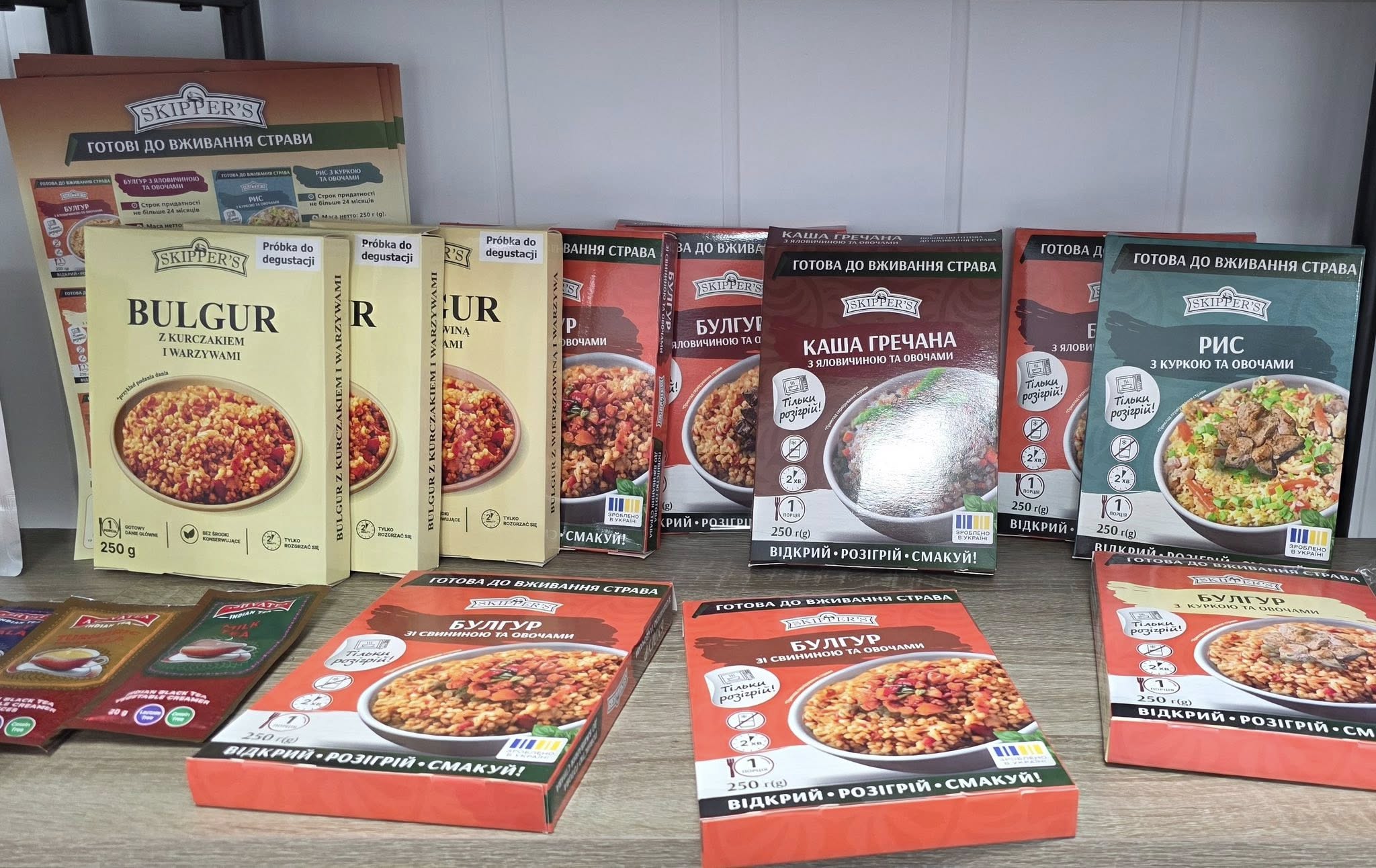
The construction of a large production complex of Neo Food System with an area of more than 4 thousand square meters has begun in Kyiv region. The project envisages the creation of one of the largest kitchen factories in Ukraine with a full cycle of production of ready-to-eat meals – from chilled to sterilized and shock frozen.
This was announced by the Deputy Chairman of the Parliamentary Committee on Economic Development Dmytro Kysylevskyi, "Komersant Ukrainian" reports.
What is known about the project
According to the deputy, the future enterprise will be able to produce up to 60 thousand ready meals per day. Such a volume will allow providing products to a wide regional market, which is especially important against the backdrop of the development of the segment of ready-made solutions for consumers and municipal institutions.
Investments in the construction and equipment of the factory amounted to about UAH 200 million. Sol Union Group, which is implementing the project, has purchased a ready-made industrial building with electricity, water supply, sewage and treatment facilities. This allows us to shorten the preparatory stage and move on to the installation of equipment faster.
Timeline and production plans
The installation of the lines is due to start in April 2026. The plant is expected to be launched in May and reach its design capacity in September of the same year. Sol Union is already preparing to recruit new employees: the group currently employs about 340 people in Dnipro, and at least 130 positions remain open.
Increased production investments
The launch of the new production site fits into a broader trend: a number of Ukrainian industrial companies are investing in capacity expansion despite the war risks. For example, earlier Budshlyakhmash announced the construction of a complex for the production of car frames in Brovary.
Expanding the production of ready-to-eat meals could be part of a food resilience strategy during the war, especially given the needs of the army, humanitarian programs, and the fast food market.