Germany blocks new EU sanctions package against Russia
13 June 2024 12:16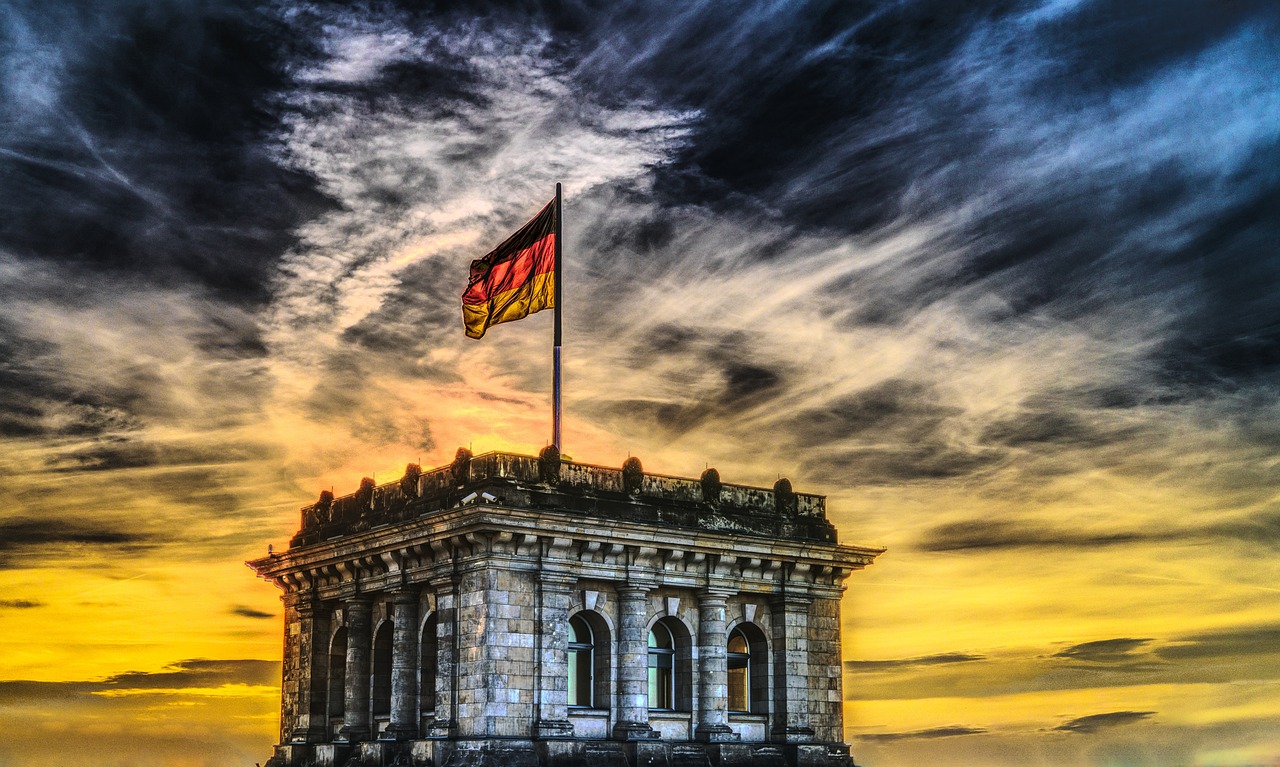
The blocker of the new EU anti-Russian sanctions package was not Hungary, as one might expect, but Germany. This was reported by "Komersant Ukrainian" reports with reference to rnd.
Despite the fact that the new sanctions against Russia had already been agreed upon, Germany unexpectedly vetoed them, which caused discontent in Brussels. According to diplomatic sources, German reservations and demands for changes were the decisive reason why the sanctions plans have not yet been finalised. One European official even compared Germany to Hungary, which in the past has often delayed decisions on sanctions against Russia.
The new EU sanctions were supposed to target, among other things, the circumvention of existing restrictions, which allow the Russian defence industry to continue to use Western technology to produce weapons for the war against Ukraine. It was also planned to impose tough sanctions for the first time against Russia’s billion-dollar liquefied natural gas business, including a ban on the use of ports, such as the Belgian port of Zeebrugge, for transshipment of Russian liquefied natural gas to third countries. This would force Russia to reduce LNG sales and receive less money for the war due to limited transport capacity.
However, the German federal government’s warnings relate primarily to measures aimed at making it more difficult to circumvent EU sanctions. In particular, Berlin is demanding that the planned rule on the liability of company branches for violating the sanctions regime in relation to certain goods be limited or cancelled altogether. Apparently, there are fears that otherwise German firms may be held liable for sanctions violations.
In addition, Germany considers certain reporting requirements to be unnecessary and seeks to mitigate a measure that would have further restricted the use of the Russian SFT system (financial messaging system) for the exchange of electronic messages on financial transactions.
It was originally planned that an agreement on the new sanctions package would be reached before the start of the G7 summit on Thursday. However, now, according to diplomats, political agreement may not be reached until Friday at the earliest. The German federal government has not yet explained its approach.
This case of sanctions against Russia is not the first time that Germany’s position has caused misunderstanding among its partners. Recently, for example, Berlin blocked NATO from using the name “NATO Mission to Ukraine” for a new project to help Kyiv, fearing that Russia could interpret it as sending troops and use it in propaganda.