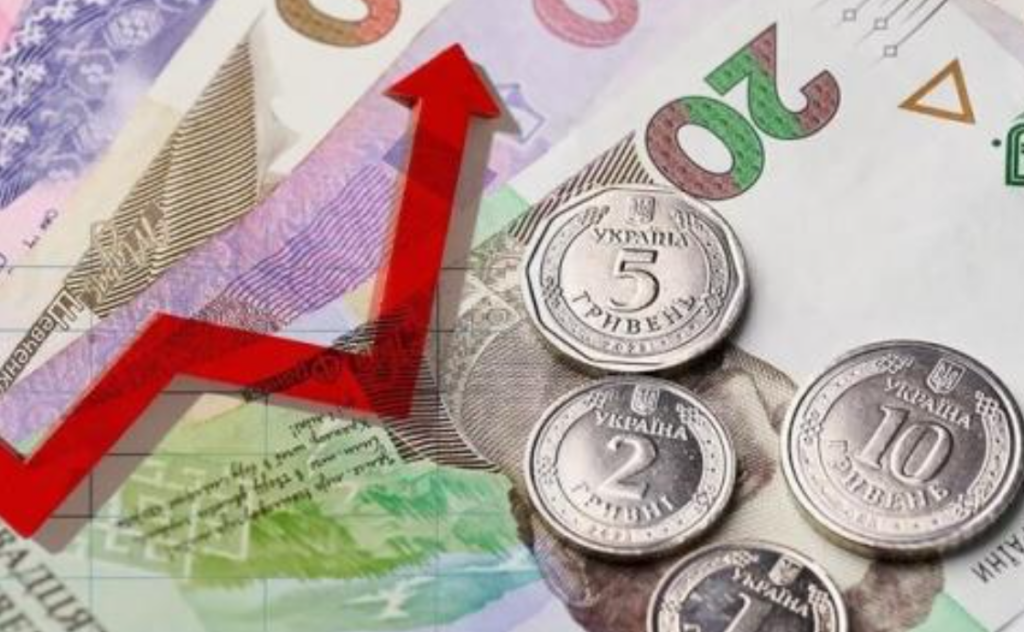
Restrictions lifted: how Ukrainian businesses reacted to the increase in electricity price caps
27 January 11:26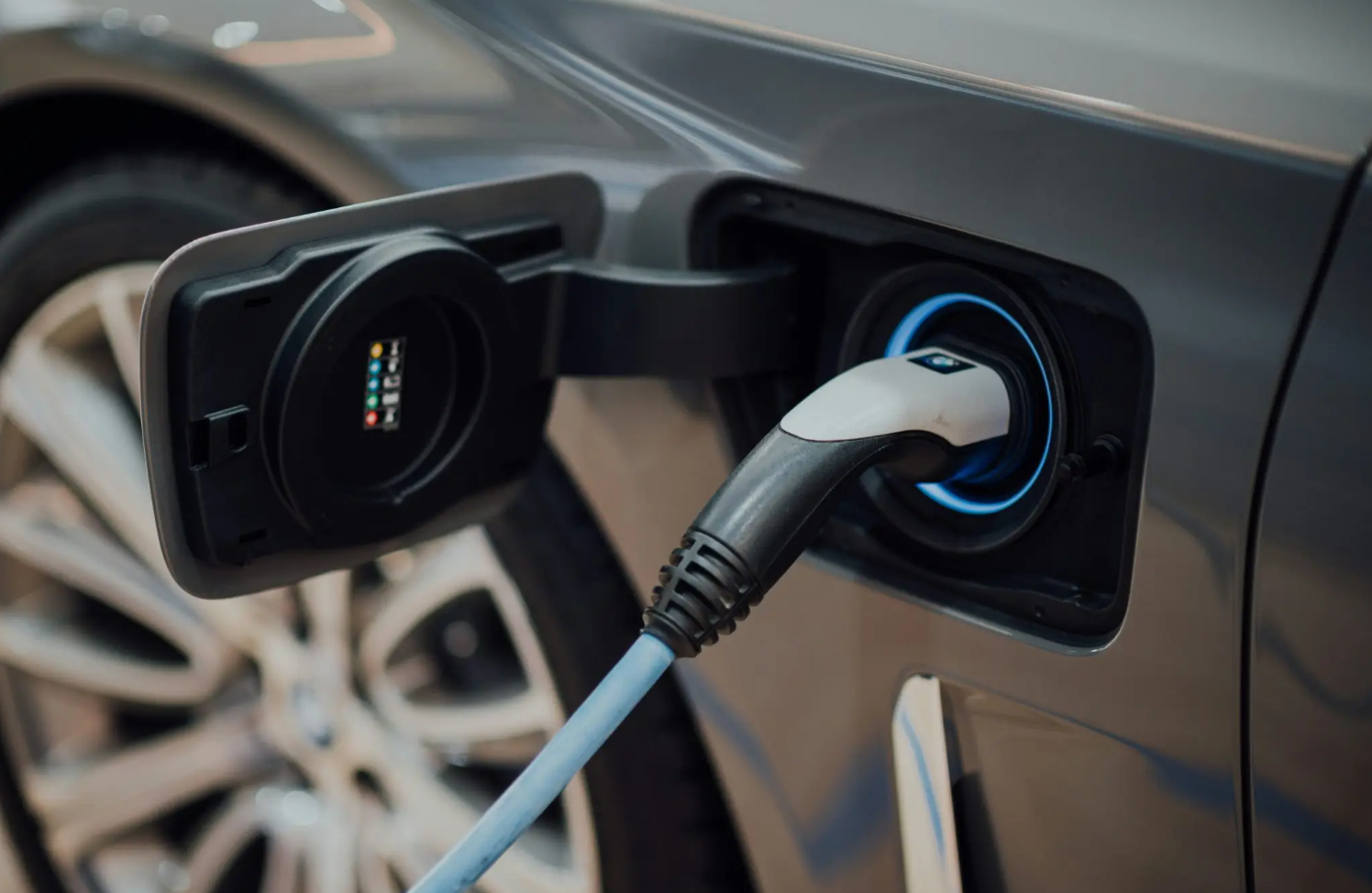
The emergency situation in the Ukrainian energy sector requires appropriate response measures. Those that serve an important purpose may be welcomed by some and rejected by others. Such measures include, for example, raising price caps on the electricity market. Komersant investigated the initial consequences of this decision .
For more than a week now, the Ukrainian electricity market has been operating with new price caps for businesses set by the National Commission for State Regulation of Energy and Public Utilities. As a first result, electricity imports have increased significantly, and the energy balance has improved accordingly. That is one side of the coin. On the other hand, the cost of electricity for businesses is set to rise, and this trend has already been felt in people’s wallets and assessed accordingly by electric car owners, for example. And they are not the only ones affected by this decision.
There is more electricity in the country
The increase in price caps for businesses has opened the way for commercial supplies from abroad. This is howSerhiy Kovalenko, CEO of YASNO , described the decision of the national regulator on January 16.
“The day after this decision was approved, imports increased by 34%. And in recent days, as far as I know, imports have already reached their maximum technical capacity,” the official said in an interview with Suspilne last week.
As Serhiy Kovalenko explained, prior to this decision, businesses could not purchase electricity in Europe because its cost there often exceeded the price limits set in Ukraine. The decision to revise the price limits removed these restrictions and allowed for a significant increase in electricity imports.
But it was not only traders who responded to the call, backed by the aforementioned decision, to increase electricity imports from EU countries to cover the deficit in the country. Daria Orlova, an electricity market analyst at ExPro, continues.
“The main goal of revising the price caps on the electricity market for businesses is to stimulate commercial electricity imports. And price caps are one of the tools for doing this. In fact, there has been talk for quite some time that they need to be raised. But for some reason, it was decided to do this on an emergency basis. And another tool is the obligation for state-owned companies to import electricity to meet their own needs. As I understand it, this has also worked,” the expert notes.
Indeed, Naftogaz has already reported that it has increased electricity imports from Europe and that this allows it to cover more than 50% of the needs of enterprises. The state-owned company’s report also notes that this has made it possible to free up additional electricity for domestic consumers. Daria Orlova explains.
“Naftogaz and Ukrzaliznytsia are very large consumers of electricity. They could import electricity before, but these are critical infrastructure enterprises, so they were not disconnected anyway. In other words, there was no need to spend money on expensive imports if they were not going to be disconnected. But now they have been effectively obliged to do so. There is a Cabinet of Ministers resolution that obliges them to import 50% of their own consumption. This will actually cost them more. As for Naftogaz, it is easier for them because they already have their own company, Naftogaz Trading, which previously also imported electricity from abroad, but not in large volumes. Now, these volumes are expected to increase in January. It is not yet clear what will happen with Ukrzaliznytsia or Ukroboronprom — whether they will import electricity directly or purchase it through traders,” the expert explains.
According to her, Ukraine is currently importing quite expensive electricity, as prices on all European markets are now at their highest for the entire current heating season, which, accordingly, makes imports more expensive.
This raises the logical question: who will feel the impact of these expensive imports? It is clear that ordinary household consumers have nothing to worry about. The electricity tariff for the population remains unchanged at UAH 4.32 per kWh and will remain so until at least April 30, 2026. However, for industrial consumers, the increase in price caps may mean higher costs. And they will certainly not forget about the buyers of their goods and services. Daria Orlova continues.
“Of course, these changes in price caps will have the greatest impact on industry and businesses, which will spend more on electricity. This does not affect domestic consumers. But in reality, it will be the end consumers of industrial products and business goods, i.e., in stores and in the service sector, who will pay for this,” the expert notes.
There are those in Ukraine who have already begun to pay for the increase in electricity price caps. These are electric vehicle owners.
Electric vehicle charging rates have increased
The updated price tags at charging stations seem to have come as a shock to car enthusiasts. At least, there was plenty of criticism and finger-pointing on social media. And how can you not be concerned when charging an electric car battery at the new rate can cost almost as much as filling up a small gasoline car? But all is not lost.
Vadym Ignatov, deputy chairman of the Ukrainian Automobile Association, explains.
“The increase in tariffs for charging electric cars is, unfortunately, not entirely adequate. We have a market that can be easily ‘rocked’ — just as it has happened now. All players in the electricity market saw an opportunity to raise the maximum price and took advantage of it by raising the market price. Charging infrastructure operators reacted quite quickly. Our charging infrastructure is very flexible: you can change prices at stations by pressing a couple of buttons on your phone, and that’s it. And here, the intention to play it safe came into play,” the expert notes.
He believes that there is no speculation in the tariff increase and explains why this happened.
“Regular businesses don’t really get what’s coming with the bills they’ll get for January. But, in my opinion, they played it too safe. It was negative expectations that led to such a jump in charging rates. Before this increase, the price was around 20 UAH per kWh for fast charging. It would have been wiser to raise it gradually until these bills for January were received. By the way, not all networks succumbed to the hype and raised tariffs to 30 UAH per kWh. Last week, there were some where you could charge for 24.99. And one more thing. Car owners should not confuse station owners with billing systems such as TOKA, Ecofactor, and GO TO-U. They are not station owners and they do not set the price for charging. And it is they who have faced hate on the internet in recent days,” the expert notes.
Vadym Ignatov, deputy chairman of the Ukrainian Automobile Association, also has some advice for electric vehicle owners. First, don’t use fast chargers; switch to slow ones. Second, look for charging stations where you can charge at night—it will be cheaper there. And even better—third—if possible, charge at home.
“But the main thing I want to emphasize is that nothing terrible has happened, because even at a rate of 30 hryvnia, the cost of using electric cars is now only equal to that of gasoline cars. I understand that we are afraid that if the price has gone up, it will never go down again. I am 95% sure that this will not happen. This is because the charging infrastructure market in our country is very competitive, it is private, and it is completely based on market principles. This means that the price may roll back,” the expert believes.
In this regard, it should be noted that, according to the regulator’s decision, from March 31, 2026, maximum prices differentiated by time of day will be introduced. Moreover, lower limits will apply at night and during the day, and maximum limits will apply during the evening peak consumption period. Daria Orlova, an electricity market analyst at ExPro, explains.
“The announced second stage of price cap adjustments starting March 31 will actually be a return to the price caps that were in effect until January 17, 2026. And this may contribute to a reduction in the price of electricity on the market. Although, in reality, I think that the situation may change many times before March 31,” the expert notes.
She suggests that it is quite possible that a decision will be made to extend the current price caps, since, in fact, the situation with energy may be difficult in April, May, and summer, and Ukraine will need to import as much electricity as possible.
Author: Serhiy Vasilevych