The volume of card transfers decreased by UAH 80 billion, and this is not the limit
15 April 2025 11:39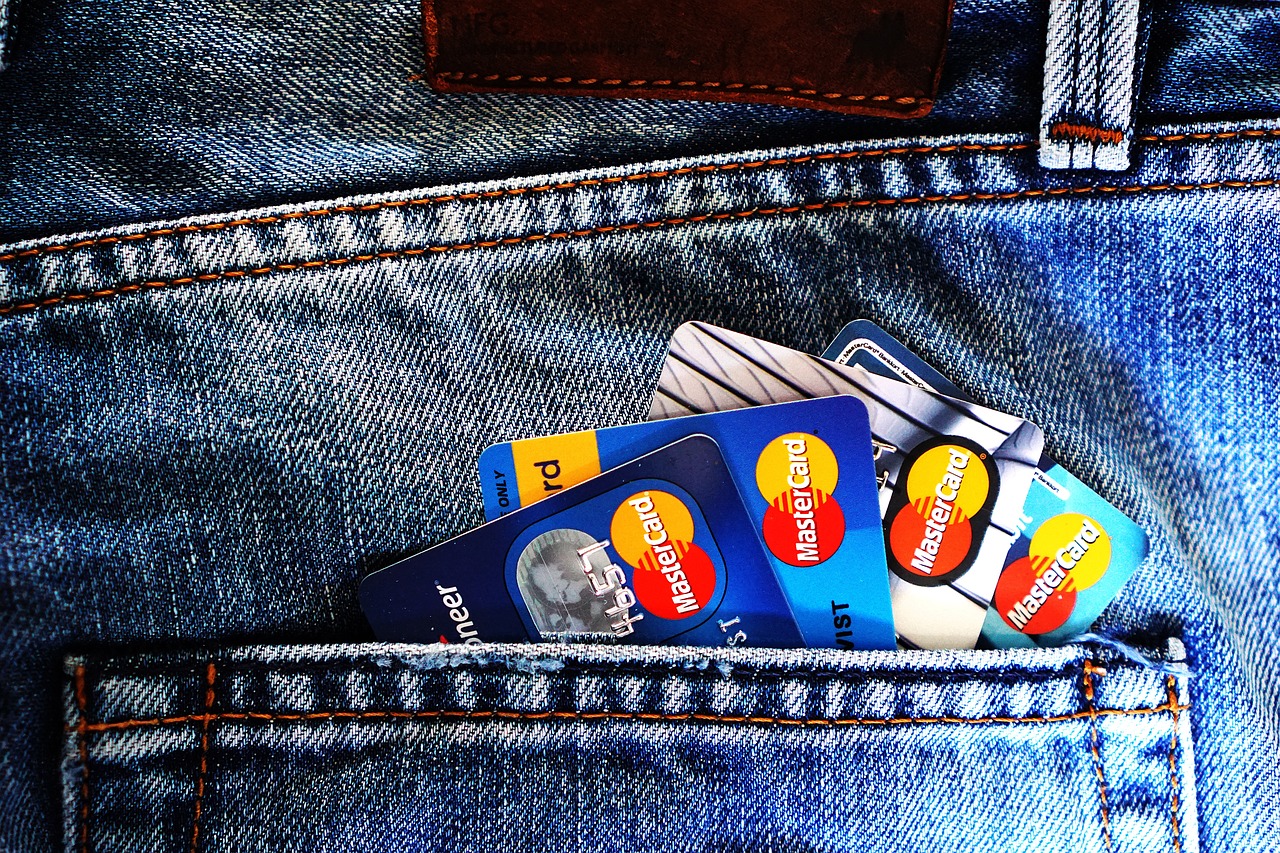
After restrictions were imposed on card-to-card transfers, the volume of such transactions dropped significantly – from 250 billion to 170 billion hryvnias per month. This was announced by Deputy Governor of the National Bank of Ukraine Dmytro Oliynyk, "Komersant Ukrainian" reports citing Ekonomichna Pravda.
According to the official, the reduction concerns transfers from customers who could not provide explanations about the purpose of the transfer and the origin of the funds.
Register of drops
The NBU is currently working on creating a register of so-called “drops” – persons used to conduct suspicious financial transactions. The draft law on the introduction of such a register will soon be submitted to the relevant parliamentary committee.
Oliynyk noted that the register will start functioning no earlier than six months after the adoption of the law. Persons included in the registry will face stricter restrictions on financial transactions, but their stay in the registry will not be lifelong – there is a mechanism for exclusion from it.
Fight against drops
The NBU set a limit of UAH 150,000 per month on inter-card transfers by individuals starting from October 1, 2024. These limits were lifted in April 2025, but a memorandum between banks is currently in effect.
According to the NBU, the restrictions helped to stop the “abnormal growth” in the volume of transfers and stop the increase in the number of payment cards observed in September-October last year.
The NBU will not limit itself to these restrictions. From October 1, 2025, there will be new ones. Everything is done for the safety of citizens, according to the National Bank.
Читайте нас у Telegram: головні новини коротко
New rules for using payment cards: what will change from October 1, 2025
1. Enhanced authentication. All online payments and some offline transactions will require two-factor authentication (2FA). This may include the use of:
- a code from an SMS;
- biometric data (fingerprint or face recognition);
- dynamic tokens from the banking application.
The NBU explains that such measures significantly reduce the risk of unauthorized access to the account, especially in case of fraudulent attacks.
2. Restrictions on transactions and regions. Users will be able to set geographical restrictions on the use of the card. This will be useful to protect against fraud when traveling abroad.
3. Transaction limits. Banks will be able to offer individual restrictions on certain types of transactions (cash withdrawals, online purchases, transfers).
4. Temporary card blocking. If there are suspicions of fraud, the customer will be able to instantly block the card through the mobile application.
5. Transparency and information. Banks will be obliged to transparently inform customers about all fees during transactions. Before each transaction, the user will receive a detailed description of payment terms and fees.
In practice, this will mean that
- acquirers will be obliged to provide the issuer with information about the payer and/or recipient, including the business entity (EDRPOU code) and the individual (unique payment instrument number);
- clarify the requirements for the acquirer to generate payment instructions and determine their mandatory details;
- require the acquirer to inform the user of the payment instrument of its full name before initiating a payment transaction if it is carried out on the Internet.
“Now, every time you transfer money on your card, you will see to whom you have transferred it, regardless of whether you are in the same bank or not. The same applies to online payments,”
– explains economist Ilya Neskhodovsky.
Neskhodovsky believes that this decision should have been made a long time ago. It would have helped prevent fraud.
6. Simplification of financial management.
- The ability to instantly unlock the card after it has been temporarily blocked.
- Flexible limit setting without the need to visit the bank.
- Access to detailed transaction history and advanced reports through banking applications.
What will change for banks and financial institutions
Increased cybersecurity requirements. Financial institutions are required to implement more reliable systems for detecting suspicious transactions.
Information exchange. Banks will be obliged to cooperate with the regulator and submit reports on cybersecurity incidents.
Personal data protection. The NBU requires banks to ensure compliance with the new standards for processing and storing personal information of customers.
Why is the NBU introducing these changes?
1. Protection against fraud. The number of cyberattacks and cases of bank card fraud in Ukraine continues to grow. In 2023, the NBU recorded losses from cyber fraud of over UAH 1.5 billion.
Stronger authentication will reduce these risks by making transactions more secure.
2. Harmonization with European standards. Ukraine is seeking to integrate its financial system with EU markets, so these new rules bring Ukrainian legislation closer to the PSD2 (Revised Payment Services Directive), which is in force in the European Union.
3. Improving financial literacy. The NBU is also planning information campaigns to teach users how to use payment cards safely and avoid fraudulent schemes.
Читайте нас у Telegram: головні новини коротко