Shelling, bureaucracy, and medicine: why the risk of drug shortages is growing in Ukraine
2 February 20:19
The war has made Ukraine’s drug supply system vulnerable not only due to shelling and logistics, but also due to regulatory procedures, which in a crisis can become a critical barrier to patients’ access to treatment.
This is according to the European Business Association (EBA) business community, which is calling on the government to make anti-crisis changes to the procedures for confirming that drug production complies with GMP standards, reports "Komersant Ukrainian".
Strike on warehouses and loss of “safety margin”
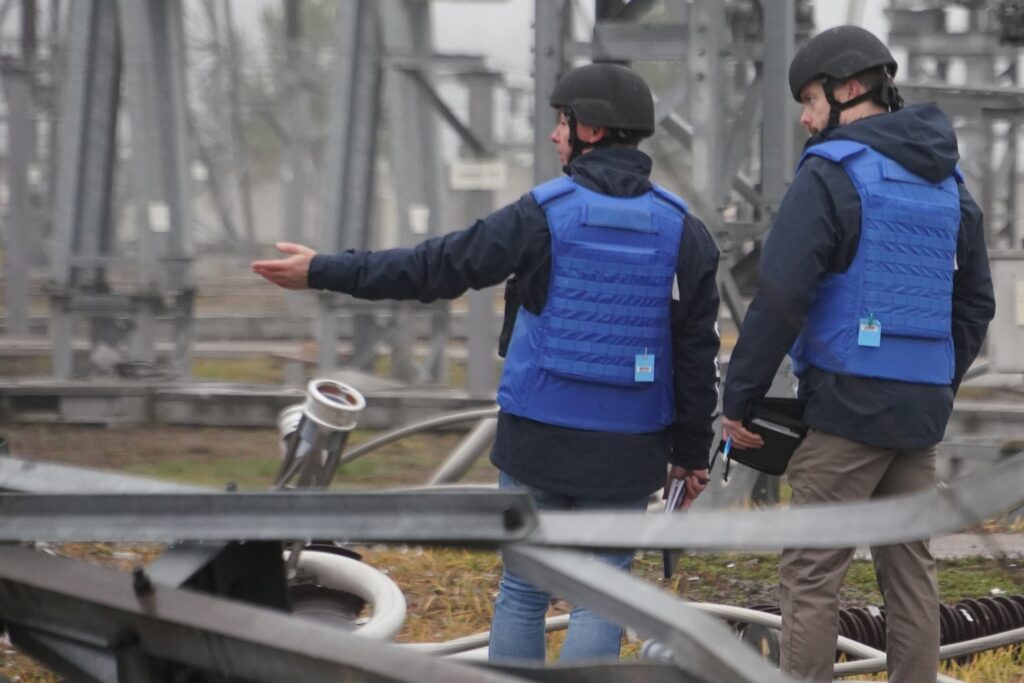
Following rocket attacks that destroyed pharmaceutical distributors’ warehouses along with drug reserves, companies are reporting significant risks of supply disruptions.
According to estimates from open sources and statements by the affected companies, a single attack could have destroyed up to 20% of the country’s monthly supply of medicines. These reserves served as a buffer that allowed the market to function under lengthy regulatory procedures.
After their loss, any delay in importing new batches immediately translates into a risk of shortage.
GMP as a “bottleneck”
The business cites the procedure for confirming GMP (Good Manufacturing Practice) conclusions as a key problem — a mandatory prerequisite for importing and placing medicines on the market in Ukraine.
According to companies, this procedure:
- remains overly bureaucratic;
- has unpredictable processing times;
- makes it impossible to import new batches without obtaining the relevant conclusion.
In the context of institutional changes and the State Service of Ukraine on Medicines and Drugs Control’s practice of applying procedures, the timeframes for issuing GMP documents are difficult to predict, according to businesses, which creates additional risks for continuity of supply.
Patients at risk
The combination of destroyed warehouses and delays in regulatory procedures directly affects patients’ access to treatment.
The most vulnerable are people with:
- cancer,
- cardiovascular diseases,
- diabetes,
- orphan (rare) diseases,
where interruption of therapy can have critical consequences, and alternatives to drugs often simply do not exist.
Experience from the start of the war
Business reminds us that at the beginning of the full-scale invasion, Ukraine was already using simplified approaches to importing medicines. These allowed continuity of supply to be maintained without compromising quality and safety standards.
According to information from open sources, during the period when these simplifications were in effect, there were no public reports of problems with the quality of medicines that could be linked to the lack of GMP re-certification in Ukraine.
What business is proposing
In the context of European integration, the EBA proposes the recognition of GMP certificates issued by regulators in countries with strict control systems, in particular on the basis of international registries:
- EudraGMP,
- FDA,
- Swissmedic,
- MHRA,
or on the basis of certified copies of such certificates without the procedure of re-confirmation in Ukraine.
According to businesses, this will:
- reduce the duplication of regulatory procedures;
- become an anti-crisis solution in wartime;
- help prevent drug shortages;
- bring Ukraine closer to the practice of mutual or automatic recognition of GMP, which is widespread in the EU.
Appeal to the state
That is why the European Business Association calls on state authorities to take urgent anti-crisis measures that will mitigate the risks of supply disruptions and ensure the continuous availability of essential medicines for patients.