The 2026 Olympic medals are the most expensive in history: what we know
6 February 07:33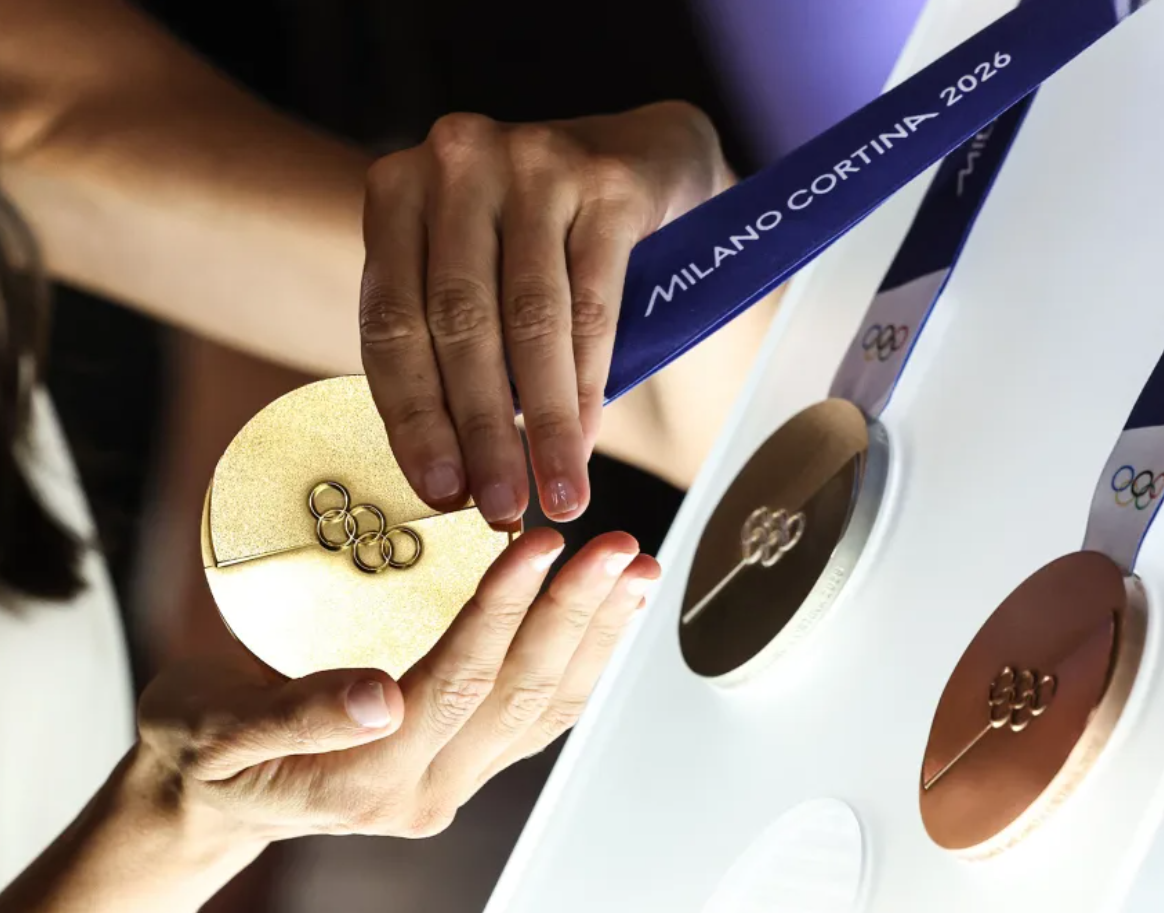
The medals that will be awarded to the winners of the 2026 Winter Olympics in Milan and Cortina d’Ampezzo will be the most expensive in the history of the modern Olympic movement. The reason is the record high prices for gold and silver during the preparation cycle for the Games. This was reported by CNN, noting that the current cost of the awards is three times higher than that of the previous Olympics in Paris, according to "Komersant Ukrainian".
Record growth in metal prices
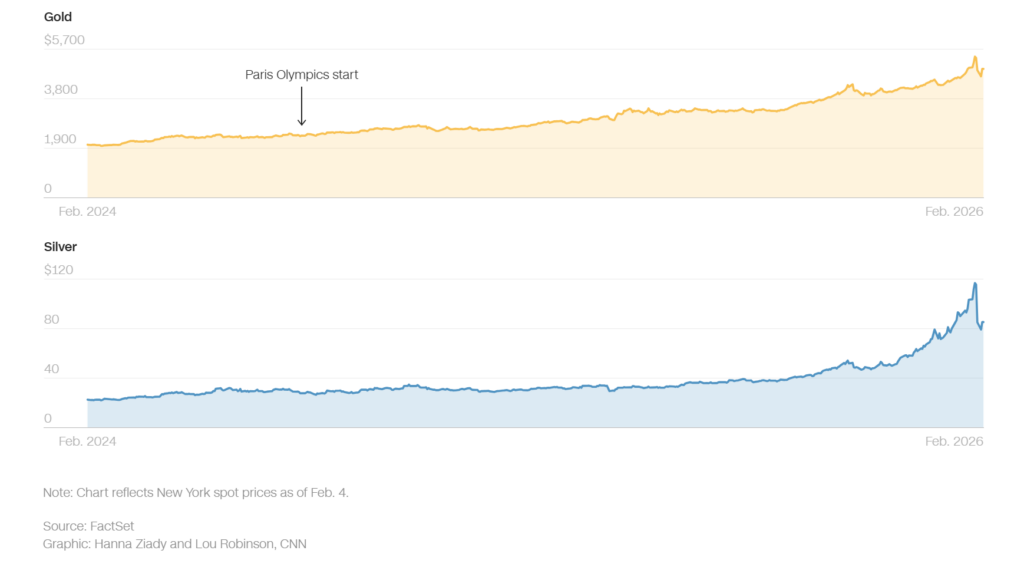
Since the Summer Olympics in Paris in July 2024, prices for precious metals have risen sharply:
- gold has risen in price by 107%;
- silver — by almost 200%.
As a result, the actual monetary value of Olympic medals has become unprecedented. According to CNN estimates, based on the cost of the metal alone:
- a gold medal now costs about $2,300 — more than twice as much as in Paris in 2024;
- a silver medal costs almost $1,400, which is three times more than its price two years ago;
- a bronze medal has a significantly lower value — about $5.60, as it is made of copper.
In total, more than 700 gold, silver, and bronze medals will be awarded at the Games in Milan and Cortina d’Ampezzo in competitions in skiing, hockey, figure skating, curling, and other disciplines.
Why medals are not made of pure gold
Despite their name, Olympic “gold” medals have not been made of pure gold for over a century. According to the organizers, the medals have:
- total weight — 506 grams;
- only 6 grams of pure gold;
- the rest is high-grade silver.
Bronze medals weigh about 420 grams and are made of copper. For reference: a troy ounce (used to measure precious metals) is about 10% heavier than a regular ounce.
The last Olympic medals made of pure gold were awarded at the 1912 Games in Stockholm. At that time, they weighed only 26 grams, and their value at the prices of that time did not exceed $20. Taking into account modern inflation, this is about $530.
Collectible value is much higher than the metal
However, experts emphasize that the real value of Olympic medals far exceeds the price of the metal. As Dominic Chorny, head of the ancient coin department at Baldwin’s auction house in London, explained to CNN, collectors are willing to pay tens of times more for such awards.
For example, in 2015, a gold medal from the 1912 Olympics was sold for £19,000 (about $26,000). And in 2016, a bronze medal from the 1920 Games in Antwerp sold for £640 ($875), even though it had no significant “metal” value.
“These medals are valued not for their material, but for their connection to the most famous sporting event in the world,” explains Chorny.
At the same time, most Olympians never sell their awards, as they keep them for their personal and symbolic value.
Prices will continue to rise
Analysts do not rule out that the financial value of Olympic medals may continue to rise. According to Ole Hansen, head of commodity market strategy at Saxo Bank, demand for gold and silver will remain high due to geopolitical instability and rising government debt around the world.
“It is quite likely that the medals for the next Summer Olympics in 2028 will be even more expensive than the awards for the 2026 Winter Games,” the expert predicts.
A symbol of an era of record prices
Thus, the Milan-Cortina 2026 medals will not only be a symbol of sporting triumph, but also a reflection of global economic realities — a period of peak gold and silver prices that has already gone down in history.