Ombudsmen against forced mobilization: TCCs are waiting for changes
7 August 2025 18:38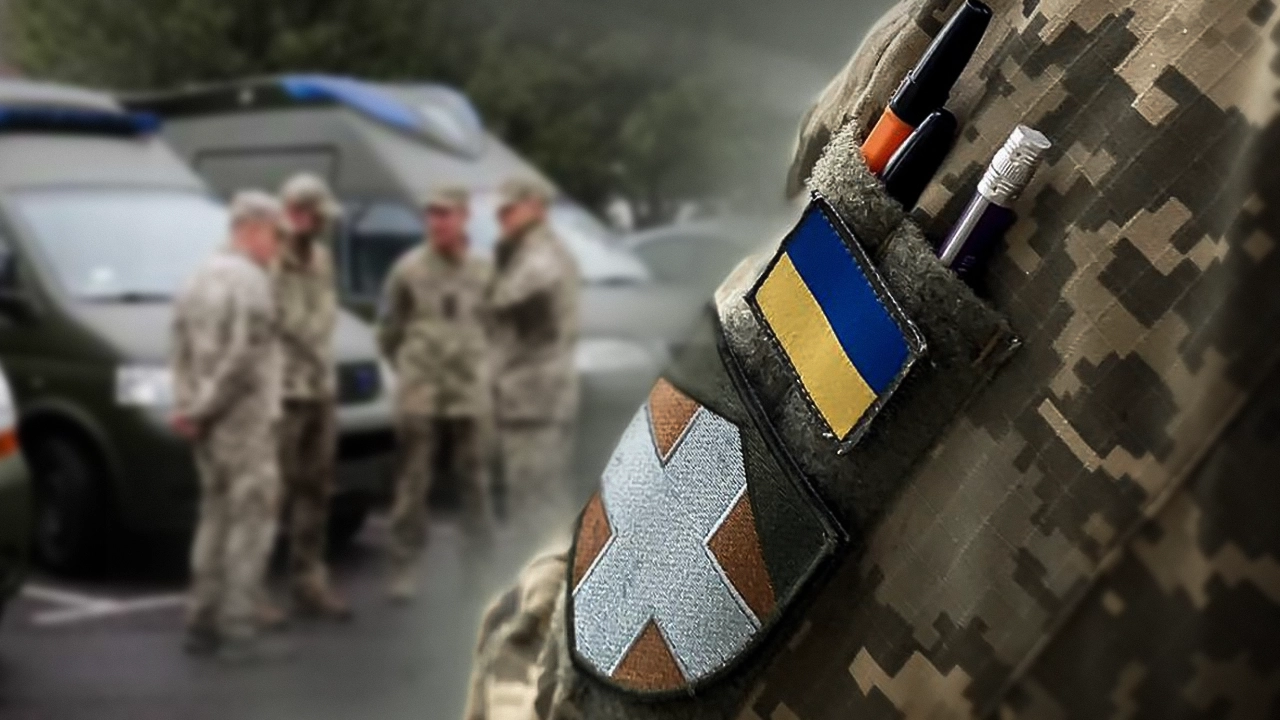 ANALYSIS FROM
Starting from September 1, 2025, all employees of territorial recruitment and social support centers (TSCs) in Ukraine will be required to use body cameras and video recording when checking documents or serving summonses.
The decision of the new Minister of Defense Denys Shmyhal coincided with recent criticism of military recruiting centers by ombudsmen. First and foremost, it concerns the use of force against persons liable for military service and restrictions on their freedom. How effective the innovations will be and what will change after the ombudsmen’s statements, found out
According to Defense Minister Denys Shmyhal, video recording of document checks or the delivery of summonses should ensure transparency and legitimacy of the work of alert groups, as well as protect the rights of both citizens and employees. After all, in case of violation of the rules of video recording, disciplinary liability is provided.
Control over TCCs is being strengthened again in Ukraine: what preceded it
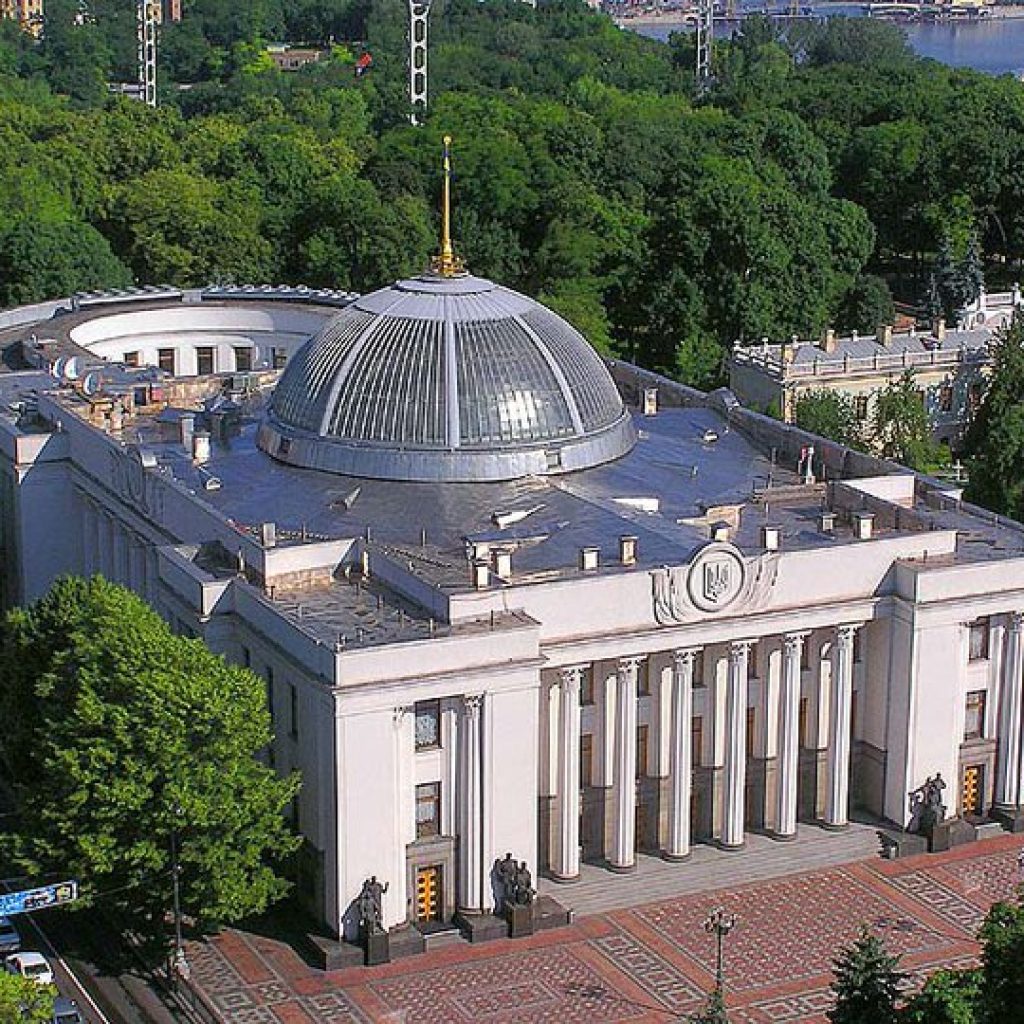
The Verkhovna Rada Commissioner for Human Rights, Dmytro Lubinets, said that the Ombudsman’s Office closely responds to all reports of possible human rights violations during mobilization activities by representatives of the CCC and JV. These include illegal detention, restriction of freedom, use of physical force and other illegal actions. Lubinets assured that each case is thoroughly investigated.
“I emphasize that even during martial law, employees of the TCC and JV are obliged to act exclusively within the law. They have no right to restrict the freedom of citizens without legal grounds or use force. Forcible delivery or detention is possible only by decision of the authorized bodies. Citizens must also comply with the current regulations,” the Ombudsman emphasized.
Following him, Olga Reshetylova, the Commissioner for the Protection of the Rights of Servicemen and Members of Their Families, said that the representatives of the TCC should be taken off the streets. In her opinion, military CCCs “should not communicate with persons liable for military service” because they “are not trained to do so.” She believes that military TCCs and JVs should have been trained to communicate with people, as the National Police used to be trained, but this is not happening due to lack of time.
Reshetylova is also convinced that the police should be responsible for notifying and bringing conscripts to the TCCs. Law enforcement officers should draw up protocols on detention or delivery to the TCC.
There are rules, but no prohibitions
The criticism of the military in the TCC is justified, as they often cross the line and do not even act according to the rules of behavior and communication during mobilization activities specially developed for them and approved by the Land Forces Command. These rules, introduced in early June this year, were supposed to “reduce tension in society and avoid conflict situations.” However, this has not happened.
Moreover, journalists recently asked US President Donald Trump whether he was aware of illegal mobilization in Ukraine, when people with disabilities and pensioners are being forcibly taken to the Armed Forces. The Financial Times reported that the mass detentions of the men caused a wave of outrage across the country and resistance to the actions of the TCC. And the Office of the Prosecutor General of Ukraine reported that more than 500 cases of resistance to the CCC were opened in the first half of the year, while only 200 cases were opened in the same period last year.
Despite this, ombudsmen and lawyers insist: CCCs have no right to engage in violent mobilization on the streets. According to Resolution No. 560 on the procedure for conscription, in case of refusal to receive a call, a police officer who is part of the notification group carries out administrative detention and brings the citizen to the district (city) TCC on the basis of Articles 261 and 262 of the Code of Ukraine on Administrative Offenses. That is, as lawyers emphasize, according to the law, detention should be carried out only by the police, not by military personnel from the TCC. However, in practice, these functions are often performed by the military.
In all TCCs, in all regions, there are a significant number of violations, some of them blatant. It is childish and unfounded to say that the employees of the MCC are not trained to communicate with persons liable for military service. But there is a problem – military TCCs often use force, and the police do not intervene, everything happens right in front of them. Legal detention and delivery to the TCC is possible only in one case – if the person’s name is marked “Wanted” in the Reserve. In all other cases, it is illegal,” she says in a commentary for
[Kommersant] lawyer Yuriy Aivozyan said in a commentary for "Komersant Ukrainian".
“There is one more exception when the police have the right to detain a citizen – if he has neither a paper military ID nor an electronic record in the Reserve. But even in this case, the detention and delivery to the TCC is carried out only to draw up a report on the violation and issue a decision. And only the police have the right to do this, either on their own or as part of a joint patrol with the MCC.
Forced mobilization can be avoided
The military from the TCC have no right to detain or bring anyone to the TCC.
According to the law, they must call the police, which is authorized to detain and deliver a person who is wanted in the Reserve system,” the lawyer emphasizes.
Denys Yaroslavsky, a serviceman, believes that the problem of the activities of the TCCs and their interaction with society cannot be solved unilaterally. This is a complex and deep-rooted problem that requires step-by-step solutions. He proposes to withdraw the TCCs from the subordination of the Commander-in-Chief of the Armed Forces and transfer them to the subordination of the heads of military administrations, who have unprecedented powers and resources under wartime laws.
In addition, according to Yaroslavsky, a comprehensive plan has already been developed that will not only avoid forced mobilization, but also attract a significant number of new military personnel from around the world to the Defense Forces. It is also extremely important to motivate those who are currently in the rear to move to perform combat missions on the front line. This plan has already been submitted to the top military and political leadership for further discussion with our partners.
Author – Alla Dunina
Читайте нас у Telegram: головні новини коротко