OPEC+ is preparing a sharp increase in production: what are the reasons?
1 March 15:06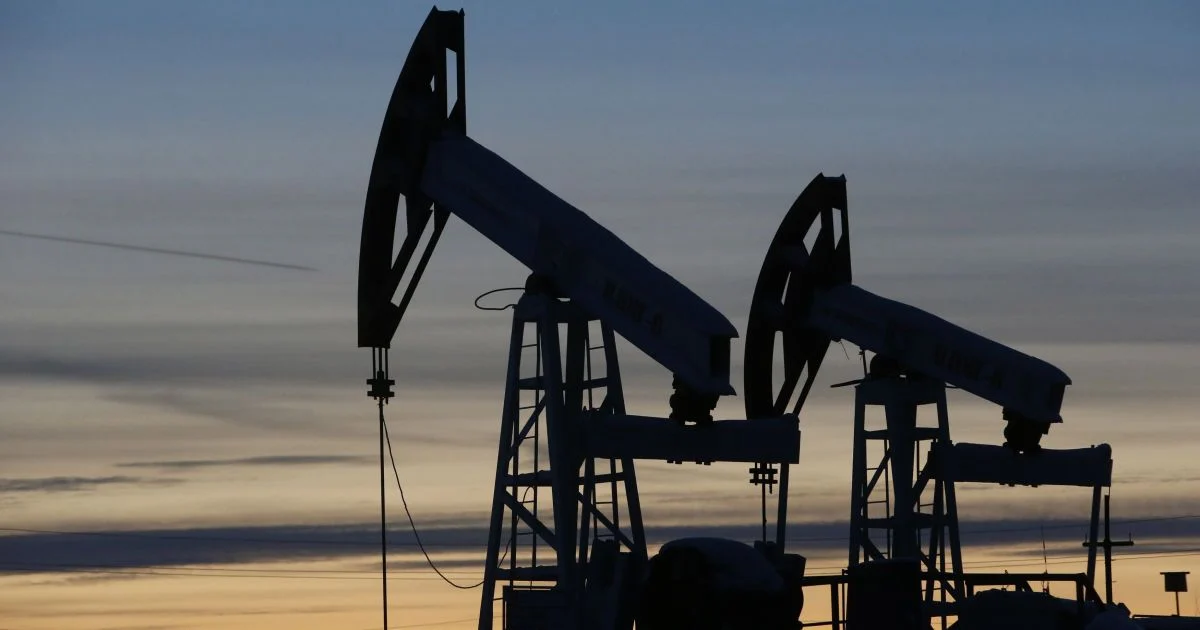
The OPEC oil alliance will consider increasing production more than expected, two OPEC sources told Reuters after the US and Israel’s war against Iran, an OPEC member, and Tehran’s response led to supply disruptions in the region.
This was reported by Reuters , according to "Komersant Ukrainian".
OPEC has a history of increasing production to mitigate disruptions, but analysts note that the group currently has very little spare capacity to significantly increase supply, with the exception of the leader, Saudi Arabia, and the United Arab Emirates.
According to Reuters sources, Riyadh has been increasing oil production and exports in recent weeks in preparation for US strikes on Iran.
Supplies of oil, gas, and other cargoes from the Middle East through the Strait of Hormuz have been halted since Saturday after shipowners received warnings from Iran about closing the area to navigation.
Sources told Reuters that OPEC will discuss increasing production by 411,000 barrels per day or more at its meeting on Sunday, which is significantly higher than the initial expectation of 137,000 barrels per day.
On Friday, oil prices jumped to $73 per barrel, the highest level since July, due to fears of a wider conflict in the Middle East and disruptions to supplies through the Strait of Hormuz, a key global route through which more than 20% of global oil transit passes.
Middle Eastern leaders have warned Washington that a war against Iran could push oil prices above $100 per barrel, said veteran OPEC analyst Helima Croft of RBC. Barclays analysts also said prices could rise to $100.
Croft noted that the market impact of any significant increase in OPEC production would be limited due to a lack of real production capacity outside Saudi Arabia.
Today’s meeting will begin at 11:00 GMT and will be attended by only eight OPEC members: Saudi Arabia, Russia, the UAE, Kazakhstan, Kuwait, Iraq, Algeria, and Oman. OPEC brings together the Organization of Petroleum Exporting Countries and allies such as Russia, but in recent years, most of the changes in production have been made by these eight countries.
These eight members increased their production quotas by approximately 2.9 million barrels per day from April to December 2025 — about 3% of global demand — and then suspended further growth for January-March 2026 due to seasonal weakness.