Orban reaches agreement with Erdogan: Russian gas will continue to flow to Europe
9 December 2025 05:17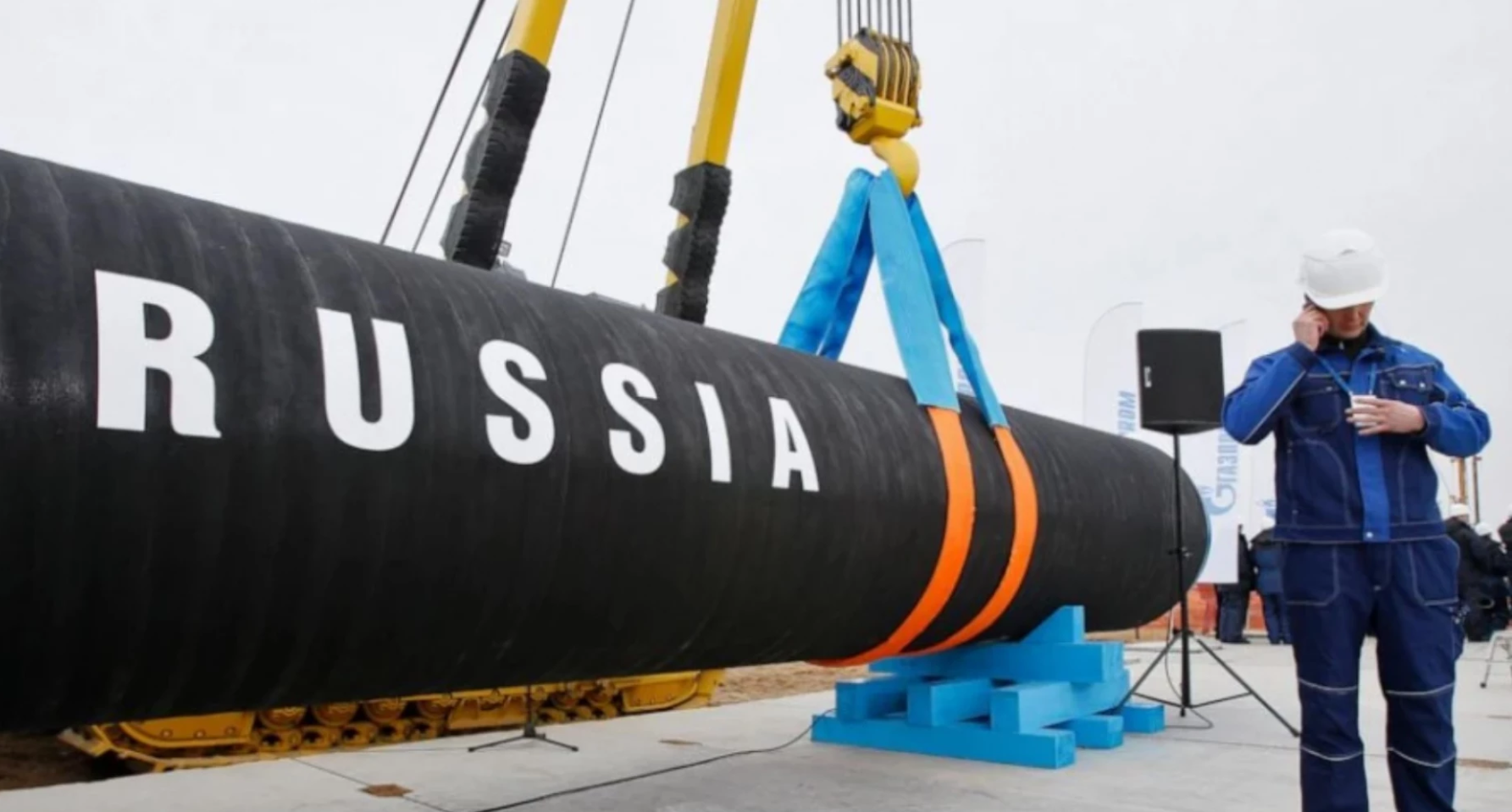
During talks in Istanbul, Hungarian Prime Minister Viktor Orban reached an agreement with Turkish President Recep Tayyip Erdogan to continue the transit of Russian gas to Hungary. This is reported by MTI, "Komersant Ukrainian" informs
The agreement is another confirmation that Budapest continues to deepen energy cooperation with Moscow, despite the EU’s sanctions policy and the bloc’s efforts to reduce dependence on Russian energy.
Viktor Orbán reminded that he had agreed with the United States that Washington’s sanctions against Russian gas and oil would not affect Hungary.
“Today, we agreed with President Erdogan that the Turks will provide a route for this,” the Hungarian Prime Minister said.
What exactly did the parties agree on?
After the meeting with Erdogan, Orban said that Turkey had agreed to provide a transit route for Russian gas, which comes to Hungary mainly through the Turkish Stream.
The head of the Hungarian government emphasized:
- “Ankara guarantees the continuity of transit;
- Moscow confirmed the stability of gas and oil supplies;
- The United States has provided Hungary with assurances that U.S. sanctions will not affect Budapest’s imports of Russian energy.
Why this is important for Hungary
Orban emphasized that uninterrupted gas supplies are critically important for the country:
- 7.5 billion cubic meters of gas came to Hungary this year via Turkey;
- energy stability remains one of the government’s key priorities;
- Budapest systematically opposes tougher EU sanctions against the Russian energy sector.
For Hungary, Russian gas remains the basis of its energy balance, and Turkey is a key transit hub.
What the deal means for Turkey
Ankara is strengthening its role as an energy hub between Russia and Europe. Turkey:
- earns money on transit;
- strengthens its political influence in the region;
- demonstrates the ability to maintain simultaneous relations with the West and Moscow.
Agreements with Hungary strengthen Turkey’s position as a strategic intermediary.
The EU adopted a regulation that provides for a phased complete ban on Russian gas and oil imports by the end of 2027. The ban covers both pipeline gas and liquefied natural gas, as well as oil products. This is part of the REPowerEU plan aimed at European energy independence.
Back in 2022, the EU imposed an embargo on most Russian oil imports, but the new regulation establishes a complete rejection of residual supplies as part of a single policy. The document establishes a binding ban, not just a political declaration.
EU member states must develop supply diversification plans. Violations are subject to fines.
Read us on Telegram: important topics – without censorship