Black ice has covered Ukraine: how to protect yourself from falling on ice and avoid injuries
10 January 04:22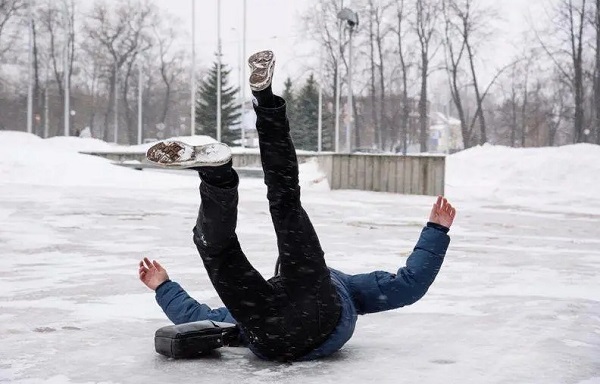
For the third day in a row, black ice has spread across Ukraine. Due to sharp temperature changes, rain, and wet snow, roads and sidewalks have turned into a solid skating rink. As a result, there has been an increase in visits to trauma doctors. Most often, patients complain of bruises and fractures sustained during falls on ice. "Komersant Ukrainian" has compiled the most effective tips to help reduce the risk of injury in icy conditions.
What are the most common injuries during icy conditions?
According to doctors, one of the most common winter injuries is a fracture of the radius. It occurs when a person falls forward or backward and instinctively puts out their hands to try to maintain balance. As a result, the main load falls on the wrist and forearm.
Trauma doctors emphasize that it is impossible to plan a fall, but by following certain rules, it can be prevented or made less traumatic. First of all, it is advisable not to walk on slippery, snowy, and icy areas unless absolutely necessary.
How to behave on a slippery road
Experts advise being prepared for a possible fall while walking. You should move slowly, without rushing, keeping your knees slightly bent and relaxed. You should step with your whole foot, and your hands should be out of your pockets — these actions significantly reduce the risk of losing your balance and suffering serious injuries.
If you feel yourself starting to fall, try to crouch down, as this is the most effective way to maintain your balance and will also help you reduce the height of the fall and lower the likelihood of fractures.
If you feel that a fall is inevitable, doctors advise falling on the softer parts of the body: on your side or on your buttocks. At the moment of impact, it is important to curl up and tense your muscles, pressing your arms and legs to your torso.
What shoes to choose in icy conditions
Special attention should be paid to choosing the right footwear. During icy conditions, doctors advise against wearing high heels and slippery soles. The safest option is low-heeled shoes with a textured, soft, or microporous sole that grips the surface better.
If possible, you can temporarily make simple “ice cleats” at home: cross-stick adhesive tape or insulating tape on the dry sole or lightly treat it with sandpaper.
What to pay special attention to during icy conditions
During icy conditions, it is not recommended to walk close to buildings, as icicles may fall from the roofs; it is safer to stay in the middle of the sidewalk. You should also avoid old trees, which may crack under the weight of ice, and metal manhole covers, as they are often covered with ice and may be poorly secured.
Be especially careful when crossing the road. In slippery weather, the braking distance of cars increases significantly, so do not run across the roadway. During blackouts, you should also wear something with reflective elements to be more visible to drivers.
Who should stay home during icy conditions
During icy conditions, doctors advise elderly people and pregnant women to stay at home if possible. If you have an urgent need to go outside, you should use a cane with a rubber tip or spike. Pregnant women should not walk unaccompanied.
It is also strongly recommended that people who are intoxicated do not go outside. According to statistics, injuries in such cases are often more severe, and intoxicated people usually do not seek medical help in a timely manner.
When to seek immediate medical attention
If, some time after the fall, you experience a headache, nausea, joint pain, or noticeable swelling, do not delay in seeing a doctor. In such cases, you must urgently go to the emergency room, as delayed treatment can lead to serious complications.
By following these tips, you can significantly reduce the risk of falling and getting seriously injured.
Author: Olya Yushko