Five years at the head of the government: 10 victories and failures of Shmyhal’s Cabinet
16 July 2025 18:48
In March 2020, Denys Shmyhal took over the government of Ukraine at an extremely difficult time: the country was entering a pandemic, the economy was stalling, and the anticipation of a major war was already in the air. Five years later, in July 2025, he became the longest serving prime minister in the history of independent Ukraine.
His government survived COVID-19, a full-scale Russian invasion, an energy crisis, billions of dollars in foreign loans, and defense industry reform. But along with the successes came critical unfulfilled promises, failed reforms, conflicts with parliament, and loud accusations of inefficiency.
Which reforms and decisions were real breakthroughs during the most difficult period in Ukraine’s history? And which failures became “time bombs” for the country? [Kommersant] has compiled 10 most important victories and 10 high-profile failures of the government of Denys Shmyhal
Victories of the Shmyhal government
- Energy independence from Russia
Ukraine disconnected from the Russian and Belarusian energy grids and fully integrated into the European energy system.Ukraine has alsoswitched completely to domestically produced gas, abandoned the transit of Russian gas and achieved full energy independence from Russia.
- The drone production infrastructure was built from scratch
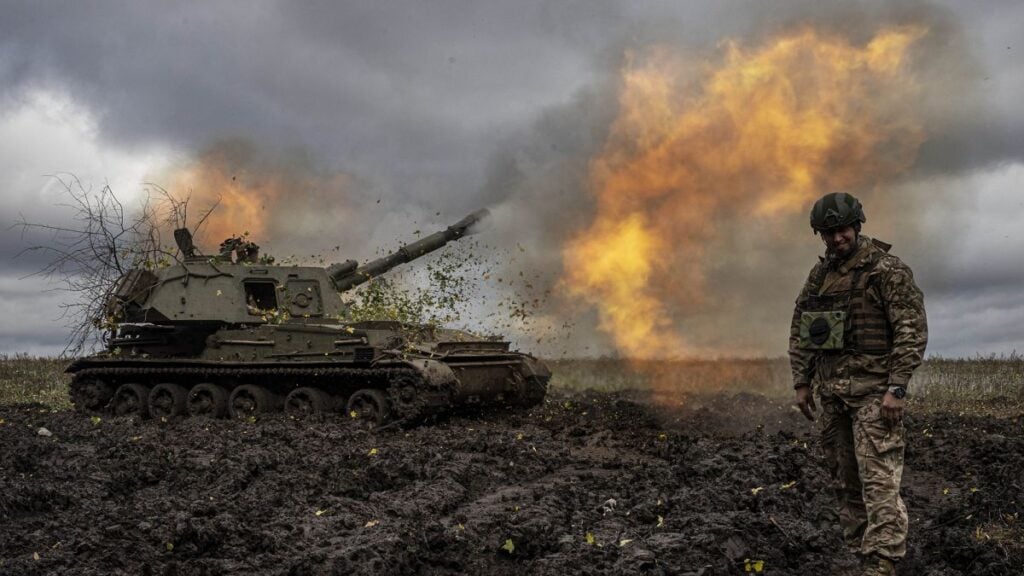
In 2023, the production of drones increased to more than a million, the plan is 2.5 million; more than 50% of ammunition is Ukrainian-made.
- Development of the defense industry
In 2024, the production capacity of the defense industry in monetary terms increased to $35 billion. Ukraine already produces about a third of the weapons it needs.
“The capabilities of the Ukrainian defense industry have grown 35 times over the three years of the invasion: from $1 billion in 2022 to $35 billion in 2025,” said Minister of Strategic Industries Herman Smetanin
- New administrative and territorial structure.
Instead of 11,000 communities, about 1,400 communities were created and given resources and powers.
- Confiscation of frozen Russian assets
Ukraine has received the second tranche of €1 billion from the European Union, secured by the proceeds of frozen Russian assets. According to Denys Shmyhal, a total of €4 billion has already been provided to Ukraine by European partners at the initiative of the G7.
He also noted that Ukraine seeks to confiscate all frozen assets, which will become the main source of the country’s reconstruction.
“Our main goal is to confiscate all frozen assets, which will become the main source of the country’s reconstruction. This year, the government is focusing on creating a mechanism for confiscation,” Shmyhal said at a meeting with European Commissioner Valdis Dombrovskis on March 20 in Kyiv.
- Reconstruction Fund with the United States
An agreement has been signed with the United States that allows Ukraine to retain ownership of resources and provides investment in reconstruction.
- Historic rapprochement with the EU
“Today we are a candidate country and have moved to concrete membership negotiations. We expect to open all the negotiation clusters this year: three in the first half of the year, and three more by the end of the year,” emphasized Denys Shmyhal
Visa-free travel with the EU or integration into the single European market. Joining ENTSO-E, duty-free trade, transport visa-free travel, a single customs declaration – all of this is already working and helping Ukrainians and Ukrainian businesses. The task is to become an integral part of the EU internal market.
- Digitalization: “Action”
More than 130 public electricity services are available in the app, out of 30 services and digital documents.
- Macrofinancial stability and budget support
Social payments are met, budget balances are maintained, and international support is over $120 billion
10. Large-scale programs to support businesses and households
5-7-9, eHousing, eWork, eRestoration – over UAH 370 billion in loans and grants. The eRestoration program has already helped more than 117 thousand Ukrainians: almost UAH 40 billion has been disbursed. It has become one of the largest initiatives of state aid in the field of housing and reconstruction, with a focus on transparency, digital accessibility and targeted support
Failures of the Shmyhal government
- Failure of anti-coronavirus promises at the start
The promise to provide 10 million tests by March 22, 2020, was actually less than a million.
- Heads of new institutions have not been appointed
The heads of the reformed urban planning and agriculture agencies were not appointed on time.
- Lack of funds for state guarantees for business
Instead of the promised UAH 10 billion, only UAH 5 billion was allocated – a failure to fulfill the promise
- Problems of interaction with the Parliament
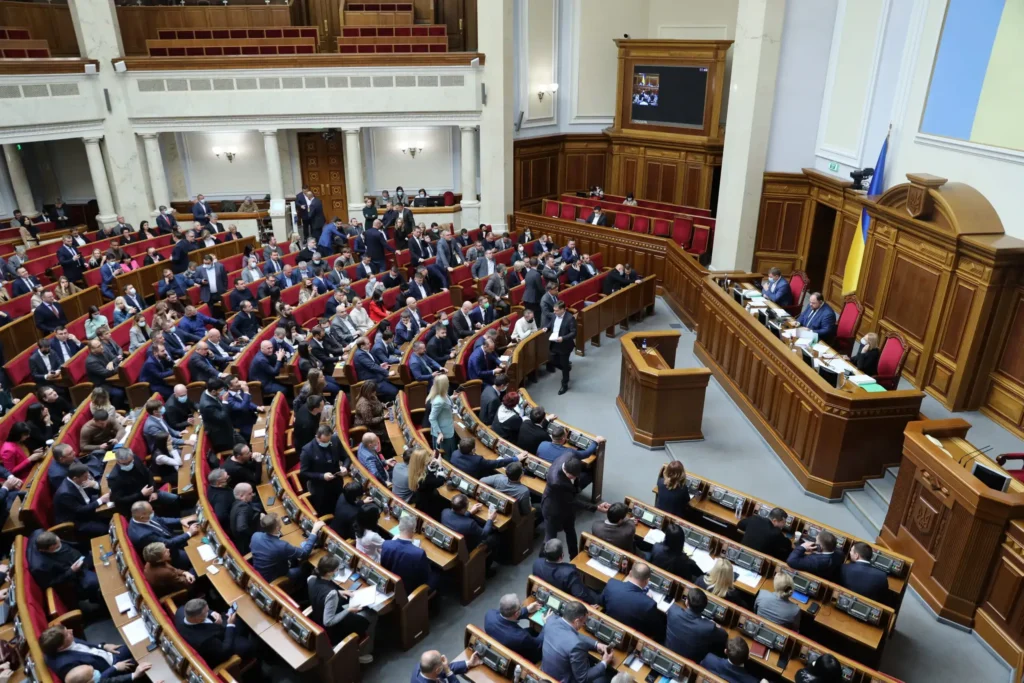
In 4.5 years, the Cabinet of Ministers has never received support for the government’s program from the Rada
- The agricultural sector was the main failure:
Failure to resist the blockade of grain exports by European countries. According to observers, the government lost this track “dry” at all possible levels – from strategic planning to support for domestic exporters, who in this situation were left alone with the problem.
- Energy vulnerability
In preparing for the heating season, experts have identified the weak resilience of the energy system. Criticism is also directed at the government’s weak economic strategy and its lack of political activity abroad.
- Unstable negotiations with the IMF
Difficult negotiations in September 2024, with possible tax hikes and a widening deficit.
- Fuel crisis of 2022
Ineffective regulation of the fuel market led to shortages at gas stations during the heating season – the government failed to prevent supply disruptions.
- Public distrust
According to the Razumkov Center, in June 2024, the level of distrust in the government reached 72.8%, which is a record high in recent years
- Corruption scandals in the energy sector and tenders
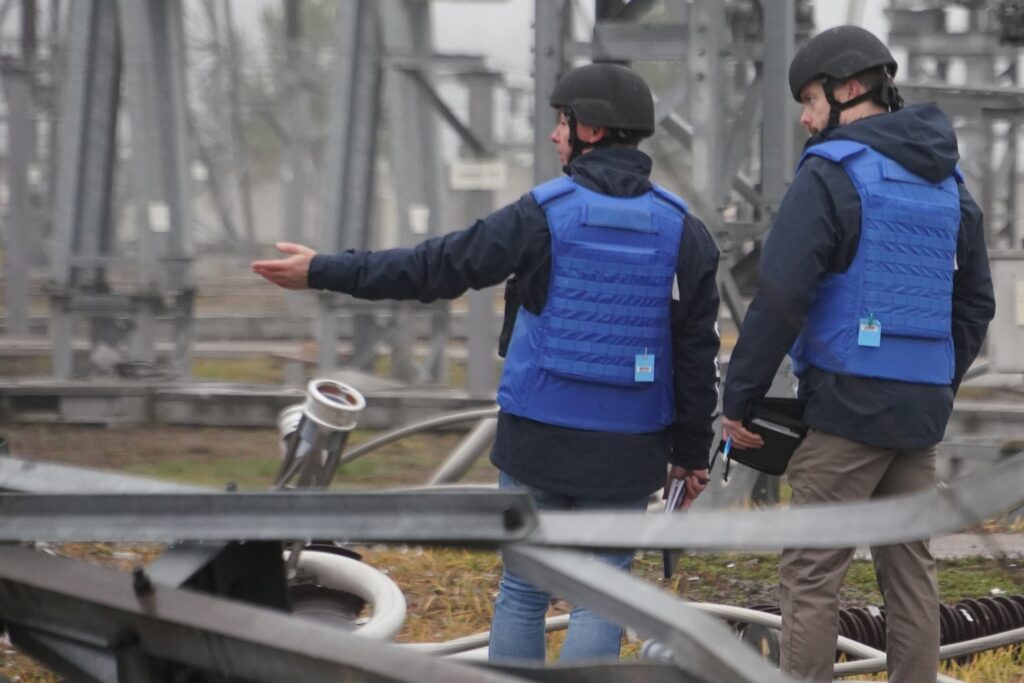
The government did not provide the promised protection of critical facilities, did not finance the construction of the third level of protection for 22 key energy facilities – the debt to contractors exceeded UAH 20 billion. There were also overpriced procurements at Energoatom with the participation of companies close to the ministry.Recall the scandal with the “17 eggs” that arose after the publication of a journalistic investigation. The Defense Ministry and its then-head, Oleksiy Reznikov, have repeatedly denied that they bought eggs at such an inflated price.

What the prime minister is remembered for
- He was the longest-serving prime minister. In March 2025, he surpassed Azarov’s record (4 years and 9 months) and became a historical “long-liver” – more than 5 years in office.
- Stability of the government in wartime, support of international confidence (UK, USA, IMF).
- Emphasis on digitalization, development of the defense industry and macro-financial platform, while facing constant challenges in healthcare, energy, and parliamentary cooperation.
As we can see, during this significant period of Shmyhal’s governance, there were important shifts: from energy autonomy to large-scale support for business, defense industry, and digitalization. However, a number of systemic failures – in healthcare, logistics, budget support, and political interaction – undermined the overall result.