“First to go”: Russian billionaire succeeds in lifting EU sanctions against him
26 June 2024 16:10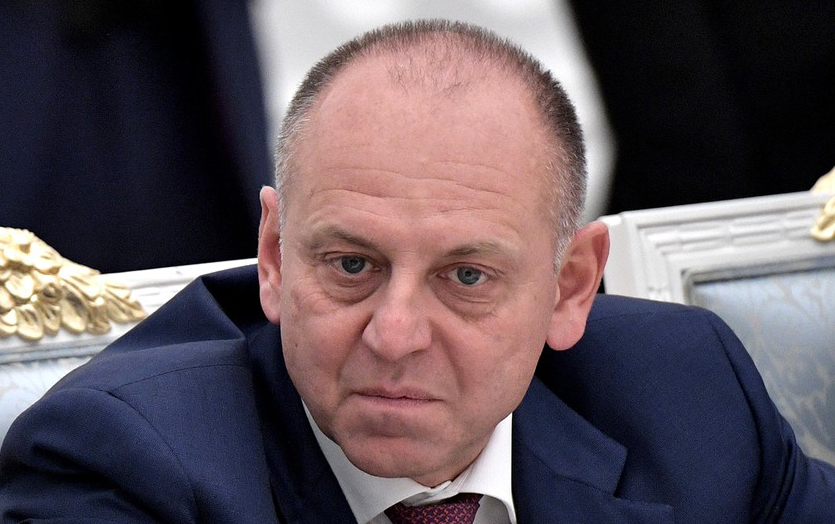
Russian oligarch Dmitry Pumpyansky has set a precedent by winning a court case against the European Union to lift personal sanctions. The European Court of General Jurisdiction found that Pumpyansky’s former business ties with the Sinara Group and Pipe Metallurgical Company were not sufficient grounds for including him in the list of persons whose activities significantly support the Russian economy. This is stated in the court’s decision, reports [Kommersant]
The court’s decision not only releases Pumpyansky and his wife Galina from the restrictions imposed by the EU, but also obliges the EU to compensate the billionaire’s legal costs. This decision came as a surprise to many, given the court’s previous refusal in September 2023 to lift sanctions against the businessman.
Mr Pumpyansky was hit by EU and UK sanctions shortly after Russia’s full-scale invasion of Ukraine began, when he still held key positions in Russian business. The sanctions forced him to resign from his leadership positions in his companies.
The court’s decision could be a turning point for other Russian businessmen seeking to challenge the sanctions. Pumpyansky, whose fortune is estimated by Forbes at $3.3bn, is the first Russian billionaire to achieve such a result.
Earlier, lesser-known Russian businessmen, such as Sergei Mndoyants and Alexandra Shulgina, achieved similar success in the courts, but their cases did not have such a high profile due to their lack of billionaire status.
This decision could trigger a wave of new lawsuits from Russian oligarchs seeking relief from Western sanctions and potentially change the landscape of economic restrictions imposed on the Russian elite.
EU sanctions against Russia
The European Union has already imposed 14 sanctions packages against Russia in response to its aggression against Ukraine. The sanctions cover a wide range of measures aimed at weakening the Russian economy and limiting Russia’s ability to wage war.
Key sanctions include freezing the assets of Russian high-ranking officials, including President Putin, restricting Russia’s access to EU financial markets, a ban on imports of Russian energy (coal, oil), and restrictions on exports of dual-use technologies and goods that could contribute to Russia’s military capabilities.
The EU also imposed sanctions against Russian banks, excluding some of them from the SWIFT system, banned Russian ships and trucks from accessing EU ports and territory, and restricted the activities of Russian media in the Union. In addition, restrictions were imposed on investments in the Russian energy sector and a ban on the export of luxury goods to Russia.
The sanctions also target individuals and organisations involved in the aggression against Ukraine, including politicians, the military, businessmen and propagandists. The EU regularly expands its sanctions lists, adding new names and tightening existing restrictions.
The latest sanctions packages are aimed at combating sanctions circumvention, strengthening export and import controls, and restricting Russia’s access to technology and goods that could be used for military purposes. the 14th package of sanctions for the first time affected Russian gas, but did not hit it. The 14th package also introduced sanctions against Russia’s analogue of SWIFT.