After attacks on energy facilities: Ukraine declares state of emergency
14 January 20:10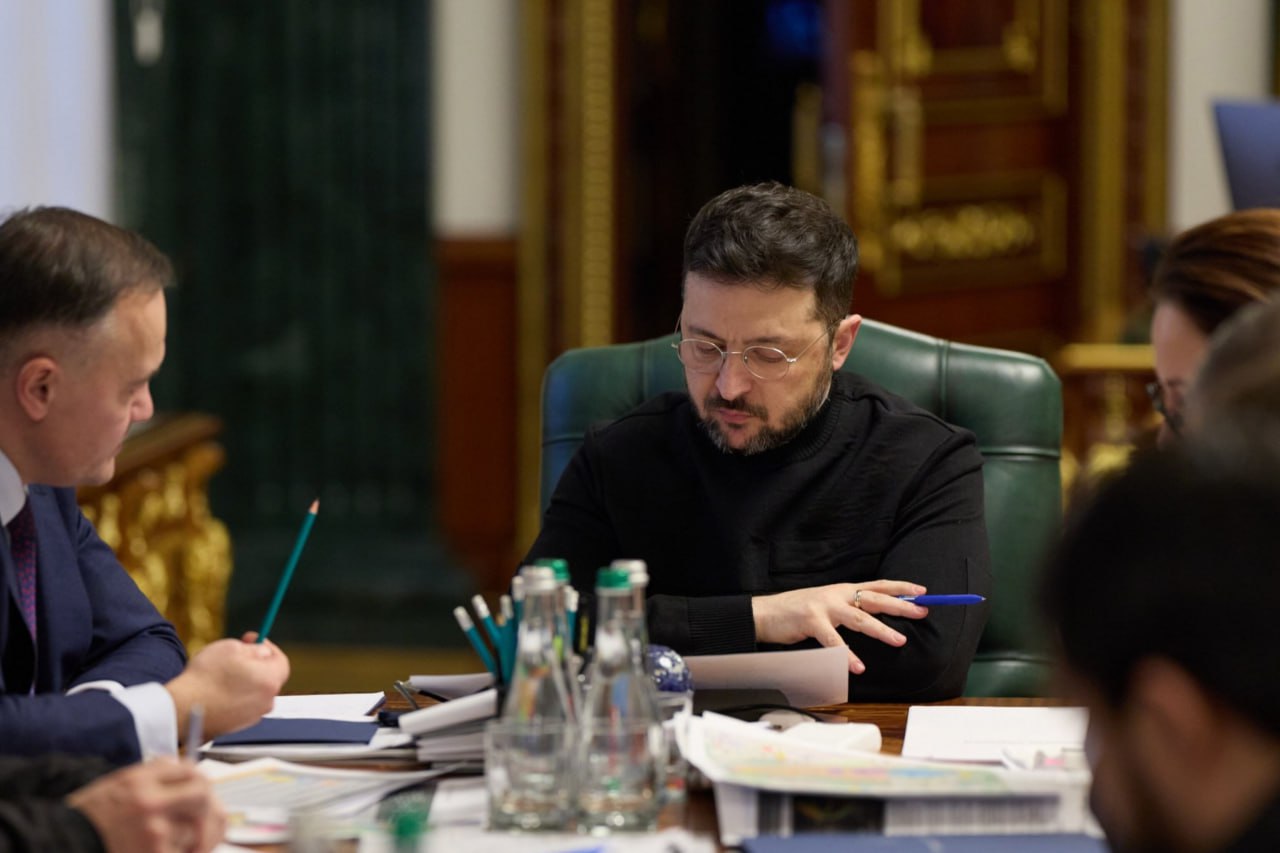
Ukraine is introducing a state of emergency in the energy sector. This decision was announced by President Volodymyr Zelenskyy in light of the consequences of Russian strikes on energy facilities and a sharp deterioration in weather conditions, according to "Komersant Ukrainian".
A permanent coordination headquarters will be set up in Kyiv to respond to the crisis.
Why the decision was made
According to the president, the situation in the energy sector remains difficult: Russian strikes have damaged infrastructure, and freezing temperatures have complicated the restoration of electricity and heat supplies.
“Repair crews, energy companies, utility services, and the State Emergency Service of Ukraine continue to work around the clock to restore electricity and heating supplies. Many issues require urgent resolution,” Zelensky said.
What steps have the authorities announced?
The president said that the government is stepping up its work with international partners to obtain the necessary equipment and additional support.
The Cabinet of Ministers must also:
- introduce maximum deregulation of the processes for connecting backup power equipment to the grid;
- increase the volume of electricity imports to Ukraine;
- prepare a review of curfew rules for periods of extremely cold weather.
“People should have maximum opportunities to use support points, and businesses should have opportunities to plan their work taking into account the situation in the energy system,” the president stressed.
The authorities are paying special attention to the capital
Zelensky instructed to increase the number of Resilience Centers in Kyiv and check the operation of those already open.
In addition, proposals are expected from the Ministry of Education and Science and local authorities regarding the formats of education during the state of emergency.
Earlier, First Deputy Prime Minister and Minister of Energy Denys Shmyhal said that Kyiv was less prepared for massive Russian strikes on energy infrastructure than Kharkiv.
For the second day in a row, the capital has not been operating on an hourly power cut schedule, but on an emergency one. According to energy officials, in many areas of Kyiv, residents have about three hours of electricity and up to ten hours without it.
Kyiv strengthens power system reserves
Five cogeneration plants with second-level protection have been installed in Kyiv. Two of them are already operational, and three more are in the commissioning stage, according to Petro Panteleev, acting first deputy head of the Kyiv City State Administration.
According to him, the total capacity of the installed mini-CHP plants is 66 megawatts. At the same time, these volumes are not enough to fully cover the capital’s needs during the winter. The cogeneration plants are primarily focused on powering individual critical infrastructure facilities.
The Kyiv City State Administration emphasizes that this is only part of a larger plan. In particular, the city has ordered an additional 20-megawatt diesel power plant.
“We have ordered a 20-megawatt diesel power plant… We plan to launch it in March,” Panteleev said during a briefing.
Kyiv began to build up reserve generating capacity back in 2024, announcing a tender for the purchase of 15 cogeneration plants. According to the terms, the delivery of equipment and completion of work must be finished by December 31, 2025.
Cogeneration plants produce both electricity and heat, which makes them particularly important in the context of a damaged power grid and the risk of prolonged outages. City officials emphasize that such solutions do not replace centralized generation, but they do increase the capital’s resilience to accidents and attacks on energy infrastructure.