Poland restores border control with Germany and Lithuania: what it means for Ukrainians
3 July 2025 20:09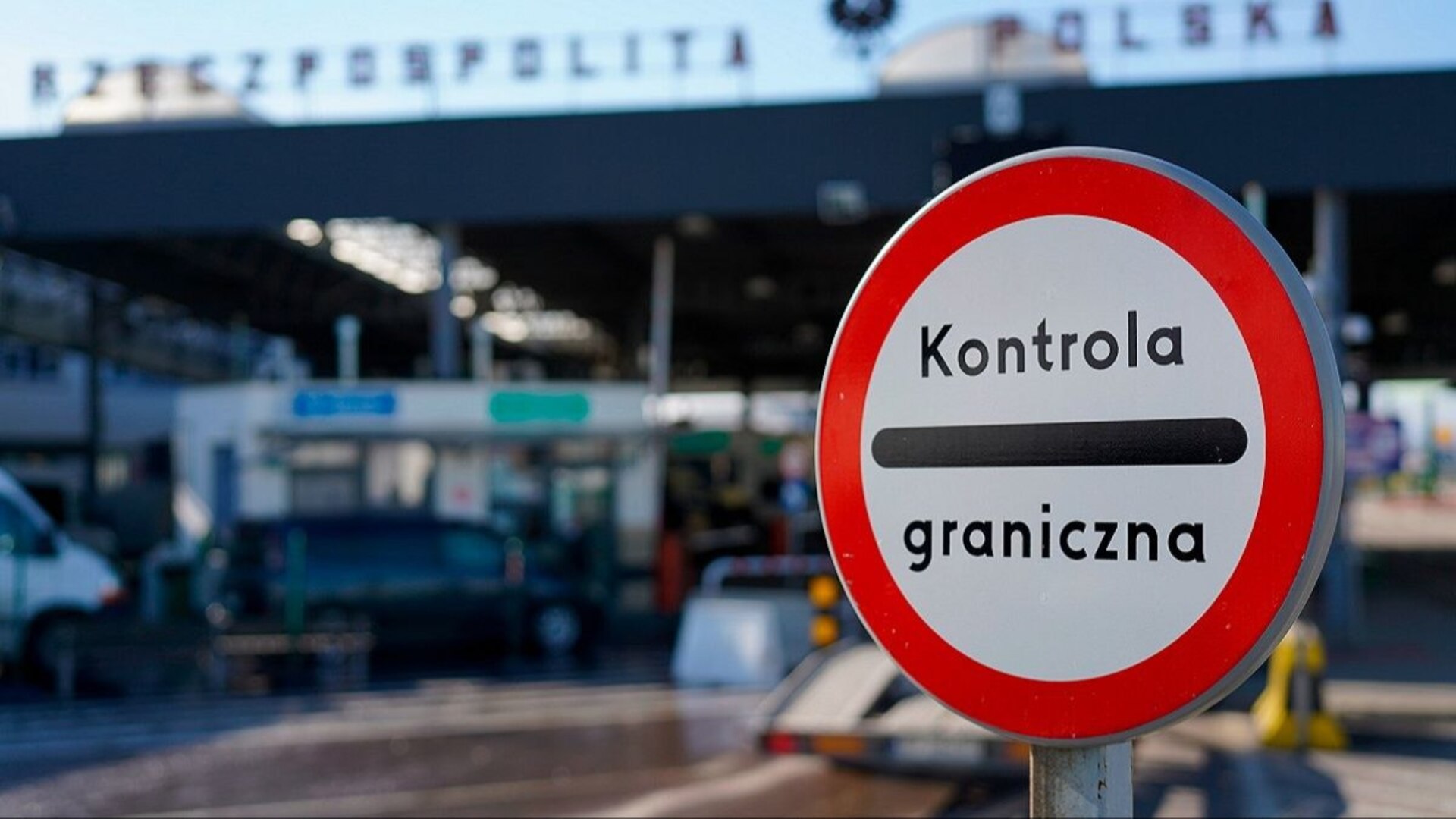
Prime Minister Donald Tusk has announced the introduction of temporary border checks on the borders with Germany and Lithuania from July 7 to August 5, 2025, and if necessary, the period can be extended until early fall, until September 5. This was reported by "Komersant Ukrainian" with reference to Reuters.
The controls are being introduced in response to Berlin’s new migration policy and the growth of illegal migration flows through Lithuania. According to Tusk, Germany’s decision not to allow migrants who had previously been granted asylum has created an imbalance in the Schengen principles:
“Our patient position… is gradually running out,” the Polish prime minister said.
Similarly, Lithuania’s control was a response to the redirection of migration pressure from the Polish-Belarusian border. Poland calls such measures a “symmetrical response” to policy changes in neighboring countries.
How it is being implemented in practice
The control will cover more than 50 checkpoints on the border with Germany, including key roads and pedestrian crossings. Particular attention will be paid to major highways: A12, A4, A6, and the border areas near Frankfurt am Oder.
On the Lithuanian border, the Border Guard Service will use pedestrian, automobile and “green” border to detect illegal crossings.
Read also: Poland starts building fortifications near the border with Belarus
Compliance with Schengen rules
Poland operates within the rules of the Schengen Code, allowing border checks only in emergency cases: in case of a security threat or an influx of illegal migration. Poland and Germany are already exchanging information to eliminate the asymmetry of control.
Restoration of border control: German perspective
Chancellor Friedrich Merz recognized the problem and emphasized the need to maintain free movement in Schengen, but only if special crossings of illegal migrants are prevented. Representatives of official Berlin argue that the problem is not the return of refugees to Poland, but protection against overloading the system at the border.
Implications for travelers and businesses
Citizens and residents traveling are required to carry documents – a passport or a certificate. The checks may cause delays at crossings, especially for transit vehicles.
In trade, there may be difficulties in delivering goods through customs queues. And residents of border regions will feel additional control by the state. In addition, the infrastructure in such regions will be overloaded.
Poland returns border control with Germany and Lithuania: what’s in store?
Reuters reports that the control may be in place for several months, as the redirection of the migration flow from the Belarusian-Polish border to the northern borders changes the balance.
Belsat, in turn, points to internal debates regarding the rights of Ukrainians and other residents with documents. In addition, daily travel may be at risk.
Polish border control will also have consequences in the economic sphere.
For example, customs inspections may slow down the supply of raw materials and finished goods. Additional risks will arise in tourism, logistics, and transportation. After all, border control can disrupt all schedules in these industries and lead to significant delays.
Читайте нас у Telegram: головні новини коротко