US store shelves will soon be empty due to tariffs on Chinese goods
28 April 2025 17:31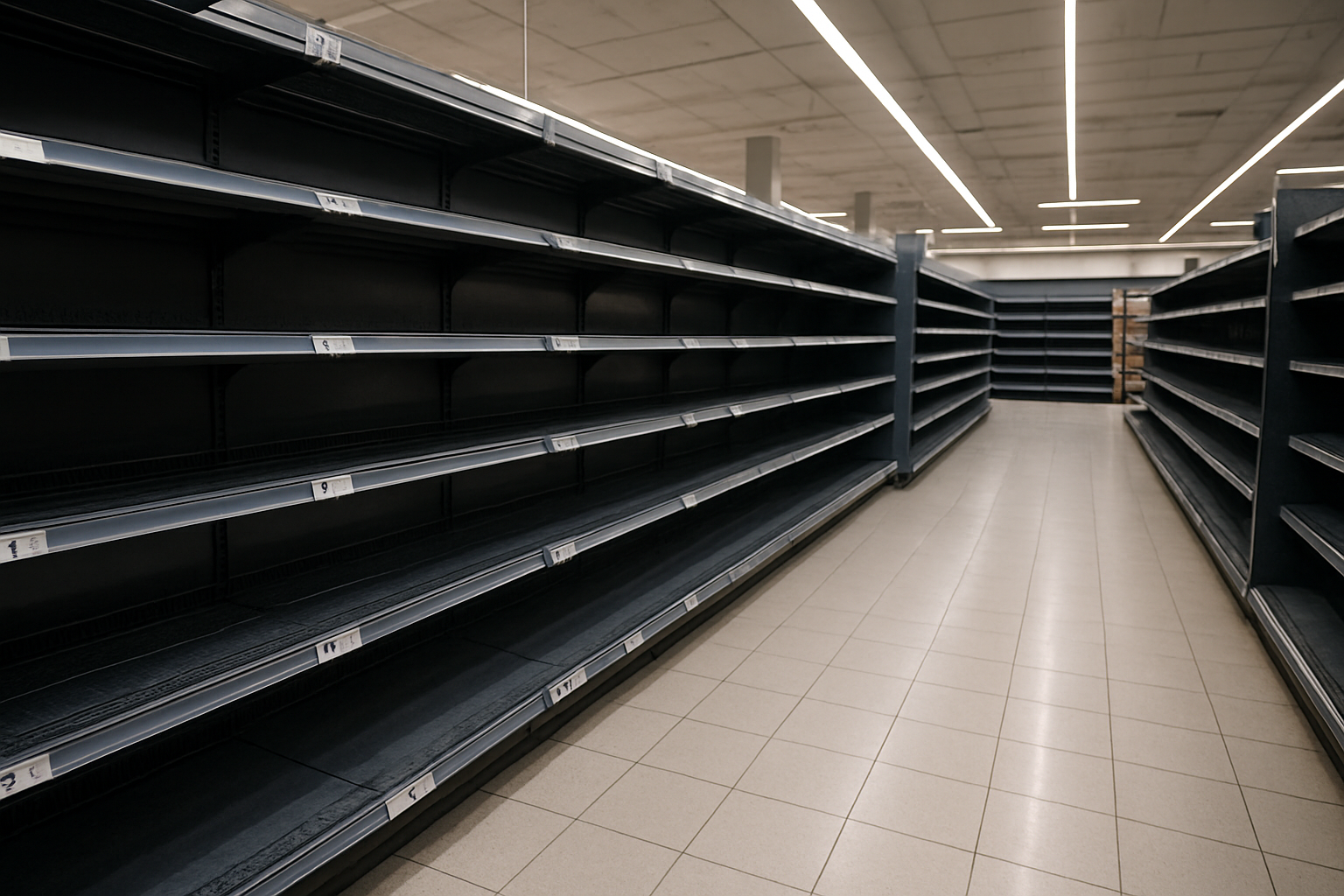
President Trump’s recent increase in tariffs on Chinese goods to 145% could cause a serious blow to the US economy in the near future. Although the increased tariffs have been in effect since the beginning of April, Americans have not yet felt their impact, but the situation will change quickly. This is stated in an article by Bloomberg, according to "Komersant Ukrainian".
Experts estimate that freight traffic from China to the United States has decreased by about 60%. By mid-May, thousands of companies will need to replenish stocks, which could lead to empty shelves in stores and a significant increase in prices. The goods from the category of “small things for all occasions”, toys, etc. will be particularly affected, as the vast majority of them are supplied to the United States from China.
Large retailers such as Walmart and Target have already warned of possible shortages. Thorsten Slok, chief economist at Apollo Management, predicts “covid-like” shortages and significant job cuts in the transportation, logistics, and retail industries.
March and April are a critical period for the retail industry, when suppliers begin to stockpile inventory for the second half of the year, including preparations for the school season and Christmas. For many companies, the first holiday goods are due to arrive on ships bound for the United States in about two weeks.
“We’re paralyzed,” says Jay Foreman, CEO of toy manufacturer Basic Fun, which supplies products to giants like Amazon and Walmart. According to him, customers are suspending orders for now, but will soon start canceling them if tariffs remain at the current level.
Due to the fall in demand for Chinese goods, freight carriers have reduced supply to avoid a collapse in shipping prices. In April, about 80 flights from China to the United States were canceled, about 60% more than any month during the COVID-19 pandemic.
The World Trade Organization warns that trade between the US and China could drop by 80%, confirming US Treasury Secretary Scott Bessent ‘s characterization of the current situation as a de facto trade embargo.
Читайте нас у Telegram: головні новини коротко
The worst thing is uncertainty
Uncertainty is one of the reasons why economists estimate the probability of a recession in the United States as almost 50/50. Imports are expected to fall by 7% yoy in the second quarter, the biggest drop since the start of the pandemic.
Even as tensions ease, the restart of trans-Pacific trade could pose additional risks. The trucking industry has reduced its capacity in line with weaker demand, so a surge in orders caused by a possible détente between the superpowers is likely to overload the transportation network, causing delays and higher costs.
If the trade war with China continues for a few more weeks, suppliers and retailers will be forced to make difficult decisions about the second half of the year, including which goods to ship and how much to raise prices. This could lead to job cuts or increased debt, which could turn supply problems into a “credit crunch.”
Читайте нас у Telegram: головні новини коротко
Trade war between the US and China
The trade confrontation between the world’s two largest economies escalated sharply in early 2025 after Trump’s re-election. on February 1, Washington imposed a 10% tariff on all Chinese imports, accusing Beijing of “unfair trade” and manipulating the yuan exchange rate. on March 4, tariffs were raised by another 10%, bringing the total level of duties to 20%.
In response, China announced the introduction of 15% duties on American agricultural products and 10% duties on other goods. This was followed by a series of announcements of new tariffs from both sides.
As a result, as of April 22, 2025, the United States increased duties on Chinese imports to 145%, leaving temporary exemptions for certain technology goods at a rate of 20%. In response, China has introduced mirror measures, imposing duties on US goods up to 125% and restricting exports of critical rare earth metals. The trade confrontation between the two countries is escalating, with no signs of de-escalation.