Putin approves budget with 40% of spending on war and security forces
30 November 2025 04:15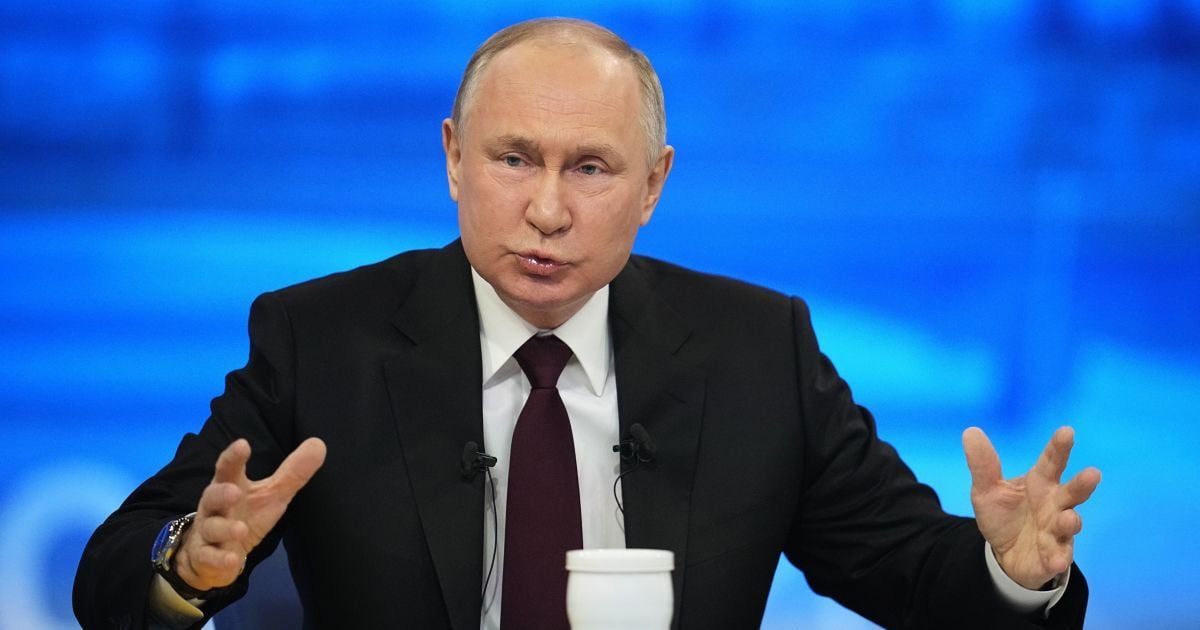
Russian dictator Vladimir Putin has signed a law on the budget for 2026 and the next three years.
This is reported by "Komersant Ukrainian" with reference to Russian propaganda media.
According to the document, which was approved by the Duma on November 18 and by the Federation Council on November 26, the government intends to collect 40.27 trillion rubles in taxes next year and spend 44.06 trillion. Thus, the treasury will have a deficit of 3780000000000 rubles, or 1.6% of GDP.
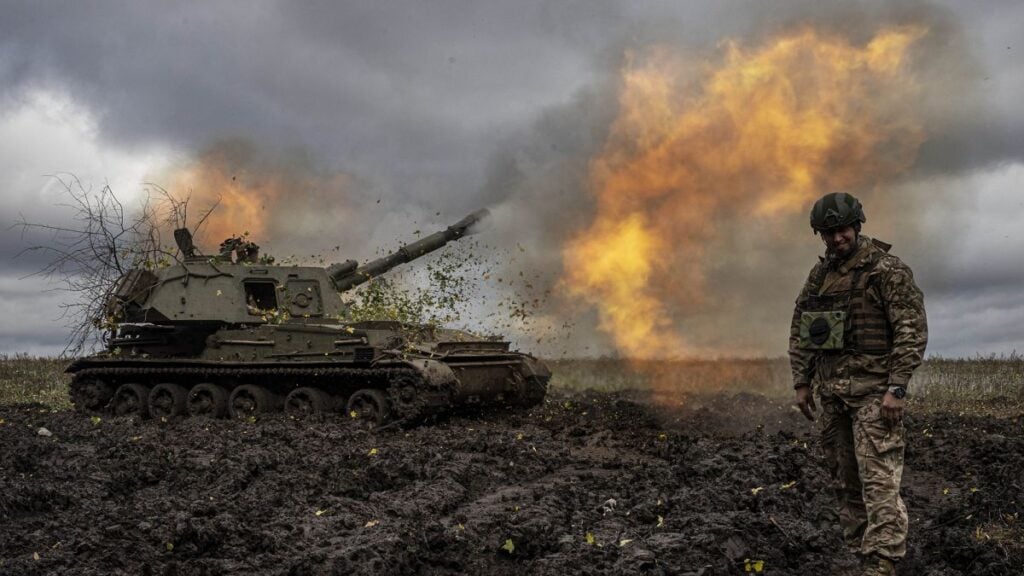
The Kremlin intends to spend almost 30% of the budget, a record share since the Soviet era, on the army and arms purchases – 12.93 trillion rubles. Another 3.91 trillion rubles are allocated for the “national security” item, which includes the budgets of the Interior Ministry, Rosgvardia, special services, and the FSIN system. In total, the security forces will receive 16.84 trillion rubles, or 38% of the budget. Compared to pre-war 2021 (24%), the share of security spending will increase by 1.6 times.
The share of social expenditures in the budget will drop to 25.1% (38.1% before the war), and the share of expenditures to support the national economy will drop to 10.9% (17.6% before the war). Both figures will be the lowest in 20 years of available statistics from the Ministry of Finance.
Oil and gas revenues, which fell by 20% this year, will not grow significantly next year, according to the law: 8.9 trillion rubles versus 8.6 trillion. The government intends to squeeze 2.9 trillion rubles in new taxes from the non-resource sector of the economy.
Starting in 2026, Russia will increase the VAT rate for the second time in 7 years (up to 22%), and a radical tax reform for small businesses will be launched, as a result of which hundreds of thousands of entrepreneurs will lose the opportunity to operate under the simplified taxation system. Starting in September 2026, a “technology fee” will be introduced, which is basically a tax on equipment and electronics sold in Russian stores. The VAT increase will bring 1.2 trillion rubles to the budget, while tax innovations will bring 2.6 trillion rubles in total, said Anton Siluanov, head of the Russian Ministry of Finance.
To make ends meet in the budget, the authorities will put a number of key social programs under the knife. For example, funding for the national project “Long and Active Life” (formerly the national project “Healthcare”) will be reduced by 26%, to 274.2 billion rubles. Spending on the primary healthcare modernization program will be cut by 2.3 times, the federal project for the development of ambulances will lose 28% of its money, and programs to combat diabetes, cancer, and cardiovascular disease will lose 13%, 3.1%, and 2.5.
“The government and the Ministry of Finance have worked hard to make the budget balanced, clear and guaranteeing the fulfillment of our obligations,” said Valentina Matvienko, Speaker of the Rada, after the law was passed.
The budget is aimed at solving “the challenges facing the country” and protecting “the interests of citizens,” Duma Speaker Vyacheslav Volodin said after the vote. He added that the budget was adopted “in difficult conditions of challenges” as “more than 30,000 sanctions have been announced against Russia.”