The results of opinion polls during the war should be evaluated with caution, says Razumkov
1 February 22:12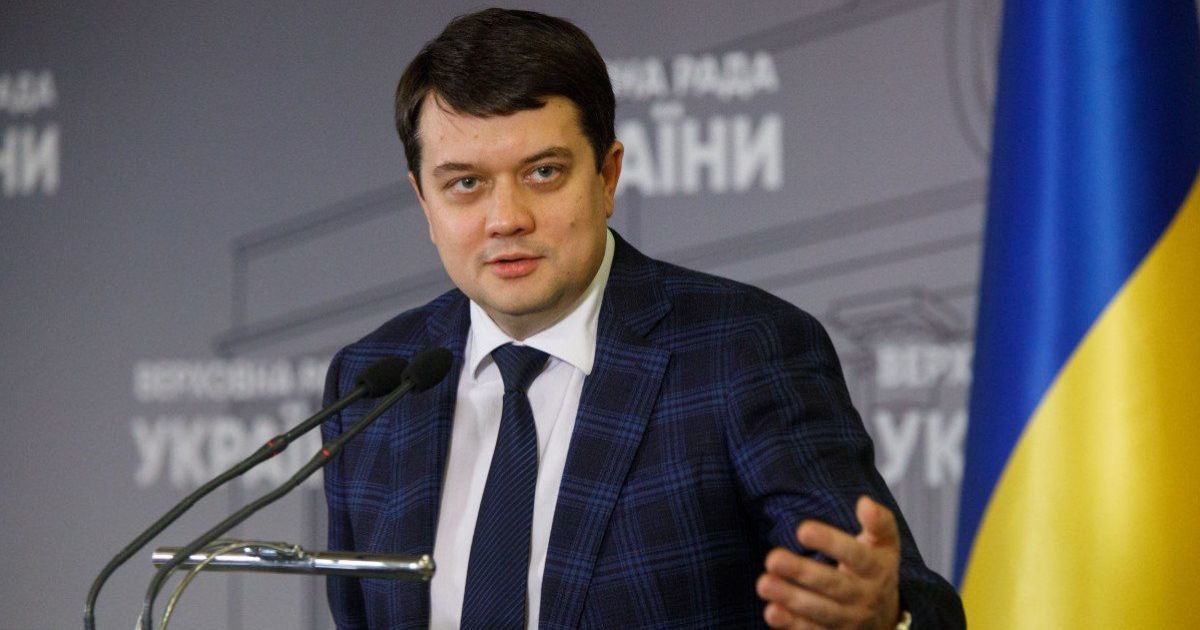 YOUTUBE
Sociological surveys conducted during a full-scale war can reflect the general mood of society, but require very careful analysis of methodology and sampling. This was stated in an interview with the YouTube channel "Komersant Ukrainian" by the head of the interfactional deputy association “Smart Politics,” former Speaker of the Verkhovna Rada Dmytro Razumkov, commenting on the results of research on the willingness of Ukrainians to continue the war.
It should be noted that between November 26 and December 13, 2025, the Kyiv International Institute of Sociology (KIIS) conducted its own nationwide public opinion poll, Omnibus, to which it added questions on its own initiative concerning war and peace, trust in Western partners, and the internal situation.
According to KIIS data, 63% of Ukrainians are prepared to endure the war for as long as necessary. Only 9% of Ukrainians expect the war to end by early 2026, and only 14% expect it to end in the first half of 2026, according to KIIS data.
Commenting on the sociological research data, Razumkov noted that the figures themselves may be close to reality, but the key factor is how this data was obtained.
“Such sociology can, in principle, be considered objective. But the question always arises: how many people refused to participate in the survey and from which regions,” Razumkov said.
He stressed that low respondent participation can significantly affect the final results, as sociologists only receive responses from a portion of citizens who agreed to be contacted.
The former speaker drew particular attention to the limited sample size in wartime, when a significant part of society is effectively excluded from the research.
“It is not always possible to survey people in frontline territories, military personnel, or those who are abroad. These are objective limitations that should be taken into account when interpreting the results,” he explained.
Razumkov also stressed that perceptions of the war and its duration can vary significantly depending on the region, life circumstances, and personal experience.
“The further a person is from the front line, the easier it is to talk about strategic goals and a long struggle. This is human psychology, and sociology must take this into account,” the politician stressed.
He concluded that sociological research remains an important tool for understanding public sentiment, but in wartime, its results should be analyzed comprehensively and without simplistic conclusions.