Working in Ukraine: why the labor market suffers from staff shortages and migration
3 July 2025 16:13
The unemployment rate in Ukraine decreased to 12% in June, but employers are not offering new vacancies to people either: they remain at 85-90% of the 2021 level. This is reported by "Komersant Ukrainian", citing data from the Center for Economic Strategy.
The study says that Ukraine’s labor market is currently under constant pressure from a full-scale war. The economic shock caused by Russia’s invasion has hit both key indicators – both demand and supply of labor. In late winter and early spring of 2022, businesses hardly hired new employees, and Ukrainians were afraid of change and did not look for work. Later, demand returned to some extent, but much slower than expected.
Supply and demand recovery: shifts moving in opposite directions
Starting in the summer of 2022, the number of resumes increased sharply, surpassing the average level of 2021. Job seekers have become more active. This is due to a significant burden on the labor market in the context of the transforming economic situation. However, the trends were increasingly divergent: businesses continued to increase their need for employees, while the number of active job seekers gradually declined.
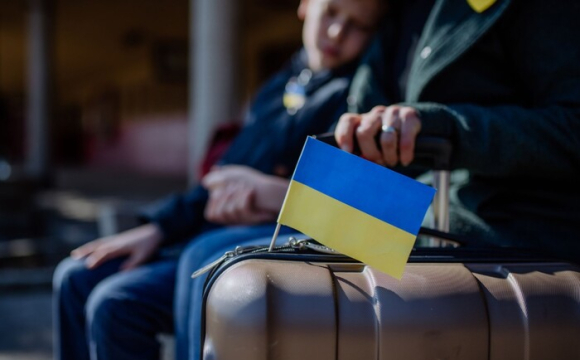
These trends were driven by the high intensity of mobilization to the Armed Forces, as well as massive labor migration of Ukrainians to Poland, the Czech Republic, Germany, and the Baltic States. This dynamic was especially acute in late 2022 and early 2023, when the number of registered vacancies grew and the number of available workers was decreasing at home.
Current indicators: activity at the level of 80-90%
Despite the positive trend of increasing recruitment activity in the first half of 2025, the market is at around 80-90% of the pre-crisis level of 2021. However, the trends diverged from there: the need for labor was constantly recovering along with the economic recovery, while the activity of job seekers was constantly declining, not least due to the migration of Ukrainians abroad and mobilization into the Defense Forces.
Structural changes in the labor market
The current state of the labor market was shaped by several important factors:
- Labor migration. Some Ukrainians had already returned during the peak of the hostilities, but a steady withdrawal of personnel from the economy could not be avoided.
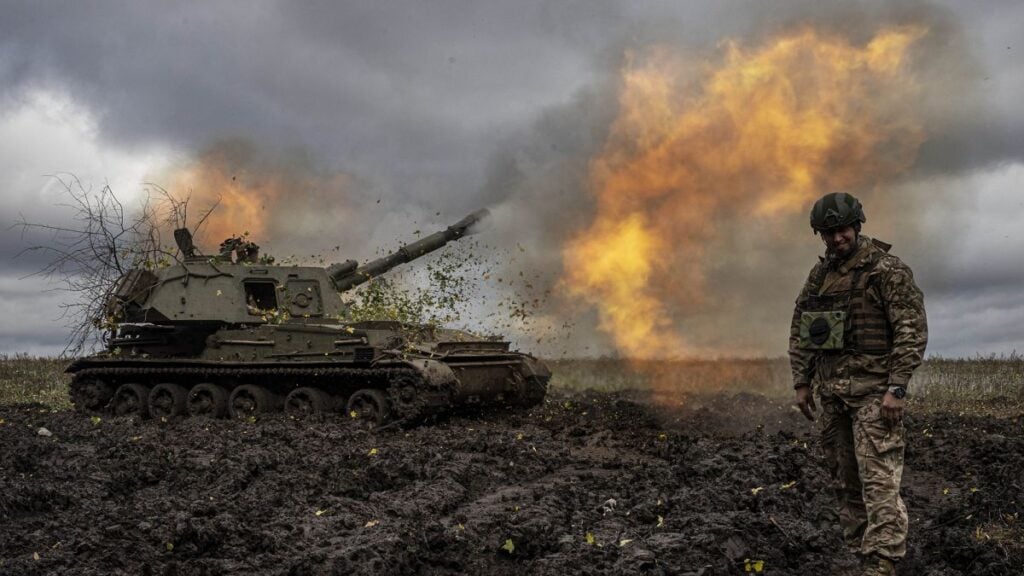
- Mobilization to the Armed Forces. Tens of thousands of mobilized people also reduced the number of potential employees.
- Demographic losses. Prolonged hostilities and destroyed infrastructure, especially in the eastern regions, are creating a demographic gap. Fewer young people means less replacement of personnel.
- Digitalization and technological changes. Some sectors are characterized by the automation of business processes, which increases the demand for IT specialists and reduces the need for manual labor.
Impact on business and growth prospects
Many companies have adapted their strategies to operate effectively in this environment:
- Flexible schedules and remote work allowed them to attract Ukrainians from abroad or those who could not work offline.
- Training programs. Investments in employee retraining have helped to restore operations at industrial and service companies.
- Wages. They grew by 20-30% on average, but inflation limited real growth.
Government incentive policy: how it works
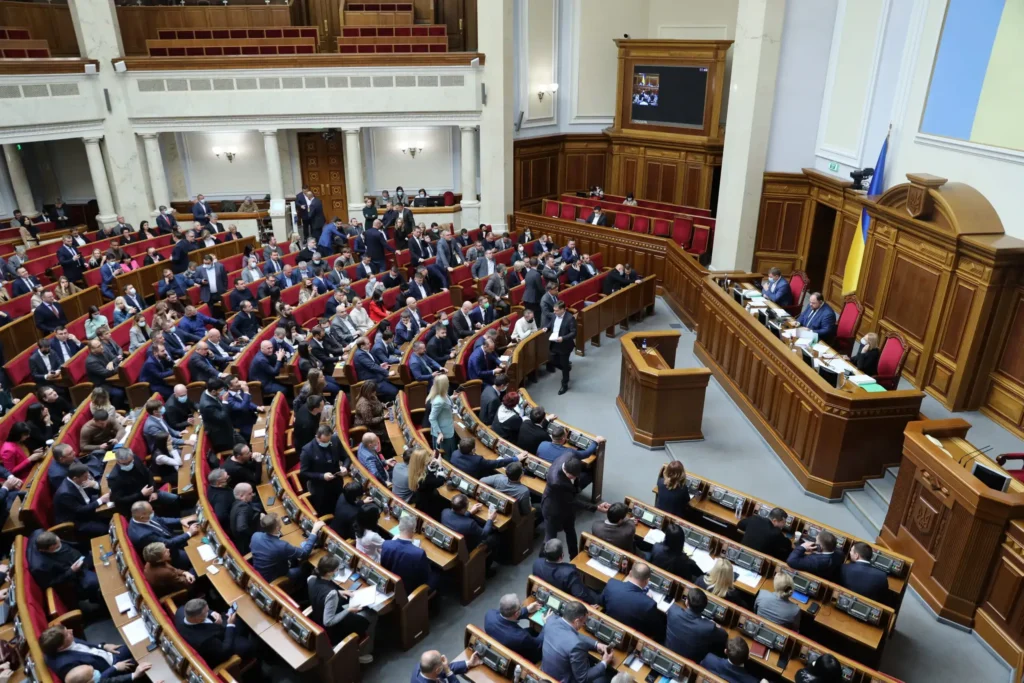
The government helps the able-bodied population through salary compensation programs that help retain employees. In addition, the Cabinet of Ministers is taking steps to stabilize the labor market by supporting small and medium-sized businesses. In particular, through the 5-7-9 loan program. The government also aims to improve the situation in the labor market through cooperation with international partners (IFIs, the World Bank) in employment development projects.
Forecast for the second half of 2025
Financial analysts and economic experts predict that by the end of 2025, unemployment will continue to fall, but to the level of 8-10%, unless the war escalates.
The situation with migrants may also stabilize as part of the civilian population returns.
Ukraine’s labor market is showing signs of recovery, but remains under serious stress: incomplete recovery, high rates of mobilization, demographic decline, and foreign migration make it difficult to return to pre-war levels. Sustainable improvement of the situation requires
- continuation of government programs to support business and employment;
- stimulating the return of labor migrants;
- development of remote employment and educational initiatives;
- active position of business in training and adaptation to the new reality.
Only a comprehensive approach will help turn an unstable market into a platform for long-term economic growth and social sustainability.
Читайте нас у Telegram: головні новини коротко