Russia strikes oil infrastructure: why there will be no shortage and what will keep prices down
14 January 17:01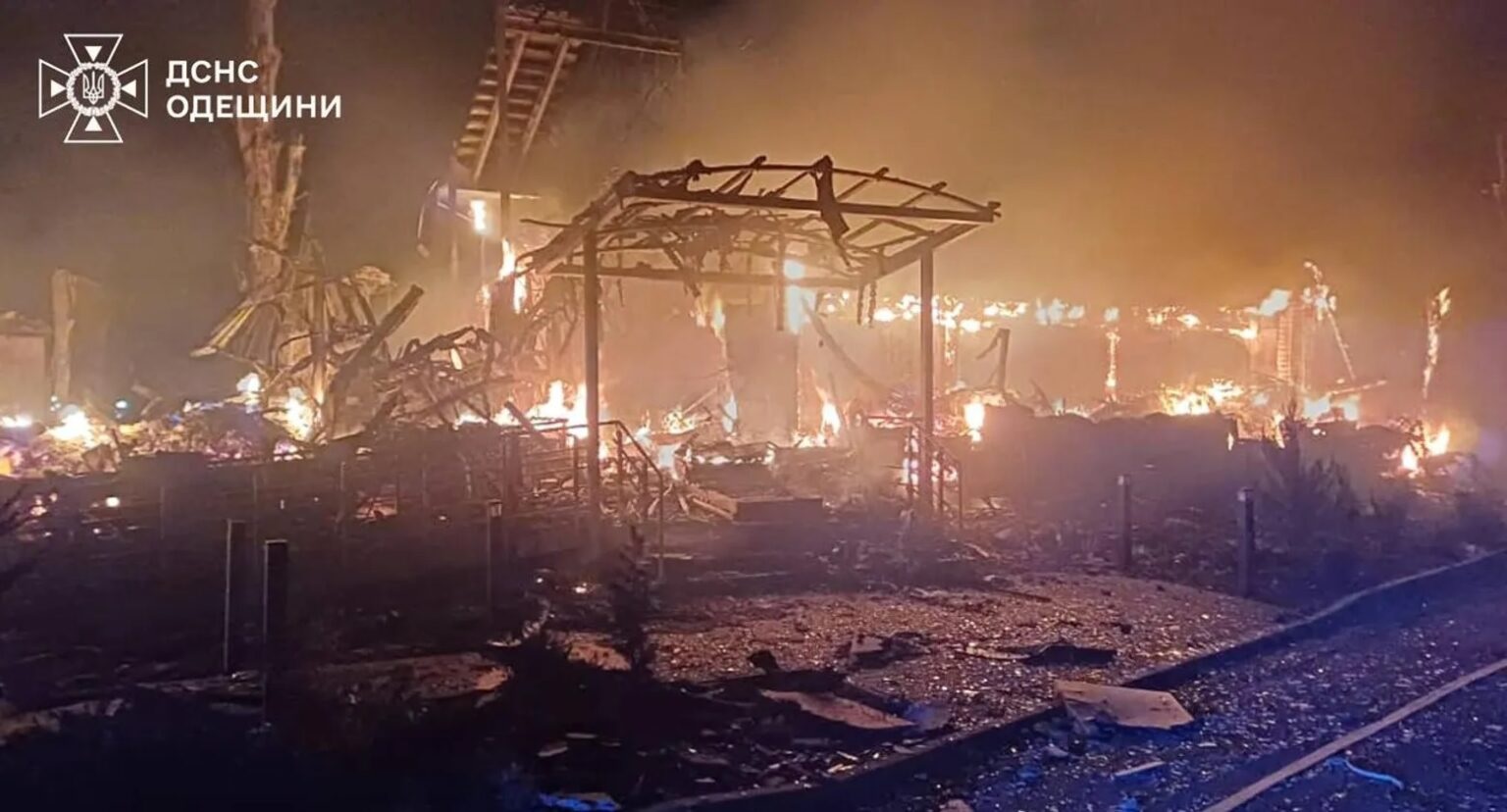
After Russian strikes on the Odesa region, which damaged warehouses, oil tanks, and vehicles, fears of a possible shortage or sharp rise in sunflower oil prices in Ukraine have resurfaced in the public sphere. Experts, however, assess the impact of these losses on the domestic market as limited.
Direct losses — but not for the entire market
Economist Andriy Novak in a comment
“Today, Russia’s strikes on the Odesa region, which damaged oil tanks, oil warehouses, and vehicles, are, of course, a direct loss for these businesses.
But for the Ukrainian market, this will not affect the range of these products, their quantity, or their price.”
According to him, the Ukrainian food market, especially for oil, is oversaturated, and the loss of even several thousand tons is not critical on a national scale.
“Therefore, the loss of a few tons, or tens, or even thousands of tons is not so critical for the entire Ukrainian market.
But for the farm that owned this oil, it is definitely a loss.”
Novak does not rule out that the affected companies can count on state compensation.
We produce much more than we consume
Economist Oleg Pendzin in a comment
“Do you know how much oil Ukraine produces per year? Five million tons. And do you know how much the domestic market consumes per year? Five hundred thousand tons. Ninety percent of what we produce is exported. Do you think such conditions could lead to a shortage? Hardly.”
Thus, even damage to infrastructure does not create a risk of oil shortages for Ukrainian consumers.
Why prices will not rise sharply
Pendzin notes that the key constraint on price increases is the purchasing power of the population.
“The market price of oil today is 60-70 UAH, so you will probably go looking for where it is cheaper… We have a fairly large selection, right? Both brands and trademarks.”
According to him, even if the cost of production increases due to blackouts and logistical losses, consumers are not willing to pay significantly more.
“The main obstacle to selling a liter of oil at a higher price than today’s price is the thickness of the Ukrainian citizen’s wallet.”
The economist emphasizes that any price increases will be limited.
“If there is growth, it will be no more than 10%, conditionally, in a month or a month and a half.
So, there will definitely be no shortage. As for the price, yes, it will rise, but not significantly.”
Attacks on the oil industry’s infrastructure have caused local economic damage, but do not pose a threat to the domestic market.
Massive attacks on oil infrastructure
In December 2025, Russian forces launched a series of strikes on infrastructure in the Odesa region, including the Allseeds Black Sea sunflower oil transshipment terminal, one of the key facilities for the storage and export of vegetable oil. The shelling damaged tanks and warehouses, causing fires and the loss of significant amounts of oil.
Russian attacks also affected key enterprises in the industry:
- the Bunge plant in Dnipro, which manufactures products under the Olein brand;
- the Allseeds terminal in the port of Pivdennyi;
- the Kernel oil and fat plant in Chornomorsk.
Consequences of the attacks
- Production facilities at the Bunge plant in Dnipro were damaged, but there were no casualties; the company is working with local authorities to resume operations.
- After the attack in Dnipro, about 300 tons of oil spilled onto the roads, complicating traffic in the city for 2-3 days.
- In Chornomorsk, a fire broke out in a container of vegetable oil, causing a product leak.
- During the massive attacks, vegetable oil leaked into the water at the Pivdennyi port, temporarily limiting the port’s operations.
Company response
Bunge reports that it is assessing the damage and prioritizing employee safety. The company has already begun measures to resume production. Kernel is also monitoring the situation at its plant and dealing with the consequences of the spill.
Large-scale environmental consequences
According to media reports, the strikes caused oil to leak into the Sukhoi Liman water area, where at least 125 tons of the product entered the reservoir and caused significant environmental damage, estimated at billions of hryvnia.