Russia increases LNG exports despite sanctions: what the new tankers mean for Arctic LNG 2
11 February 20:04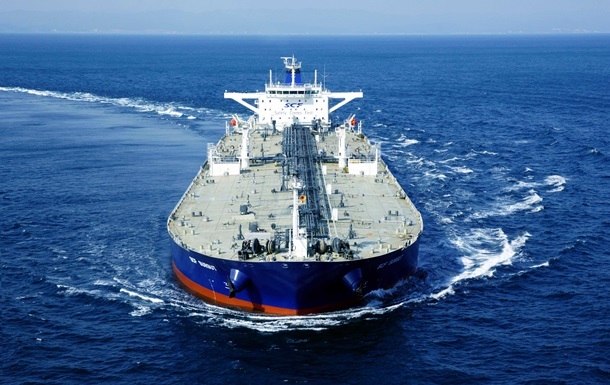
The sanctioned Russian Arctic LNG 2 project may receive two more Russian-made Arc7 icebreaking tankers in 2026, which could potentially increase liquefied natural gas (LNG) exports despite Western restrictions. This was reported by Bloomberg, according to "Komersant Ukrainian".
The announcement comes amid Moscow’s attempts to adapt the energy sector to sanctions and maintain its presence in the global gas market.
What happened
On February 11, Russian Minister of Industry and Trade Anton Alikhanov told parliament that
- in 2025, the main Arc7-class vessel was handed over to customers,
- two more tankers are planned to be completed by the end of 2026.
The first tanker of this class built in Russia, the Alexey Kosygin, was completed at the end of 2025. In January 2026, the ship began transporting LNG from Arctic LNG 2.
Why it matters
Arctic LNG 2 previously faced serious logistical problems, especially in winter. Conventional gas carriers cannot operate in Arctic waters covered with ice, which effectively limited the project’s export capabilities.
Arc7 class tankers:
- are capable of breaking ice up to two meters thick;
- under certain conditions, can navigate the Northern Sea Route without icebreaker escort.
Before the arrival of the Alexey Kosygin, the project had only one suitable vessel of this type — the Christophe de Margerie, built before the introduction of strict sanctions.
Sanctions and Russian adaptation
Arctic LNG 2, implemented by Novatek, is central to the Kremlin’s plans to increase LNG production to around 100 million tons per year. However, after the full-scale invasion of Ukraine:
- Russia lost access to Western technology and equipment;
- the project’s launch date has been postponed several times;
- foreign partners reduced or froze their participation.
Moscow sees building its own icebreaker tankers as a way to reduce its dependence on Western infrastructure and partially circumvent sanctions.
Despite political statements about reducing energy dependence, the European Union paid Russia about €7.2 billion for liquefied natural gas in 2025.
At the same time, the EU has declared its intention to completely ban imports of Russian LNG by 2027, which calls into question the long-term economic viability of Arctic LNG 2.