Russia is selling gold: how Moscow is eating up its last reserves
27 November 2025 15:01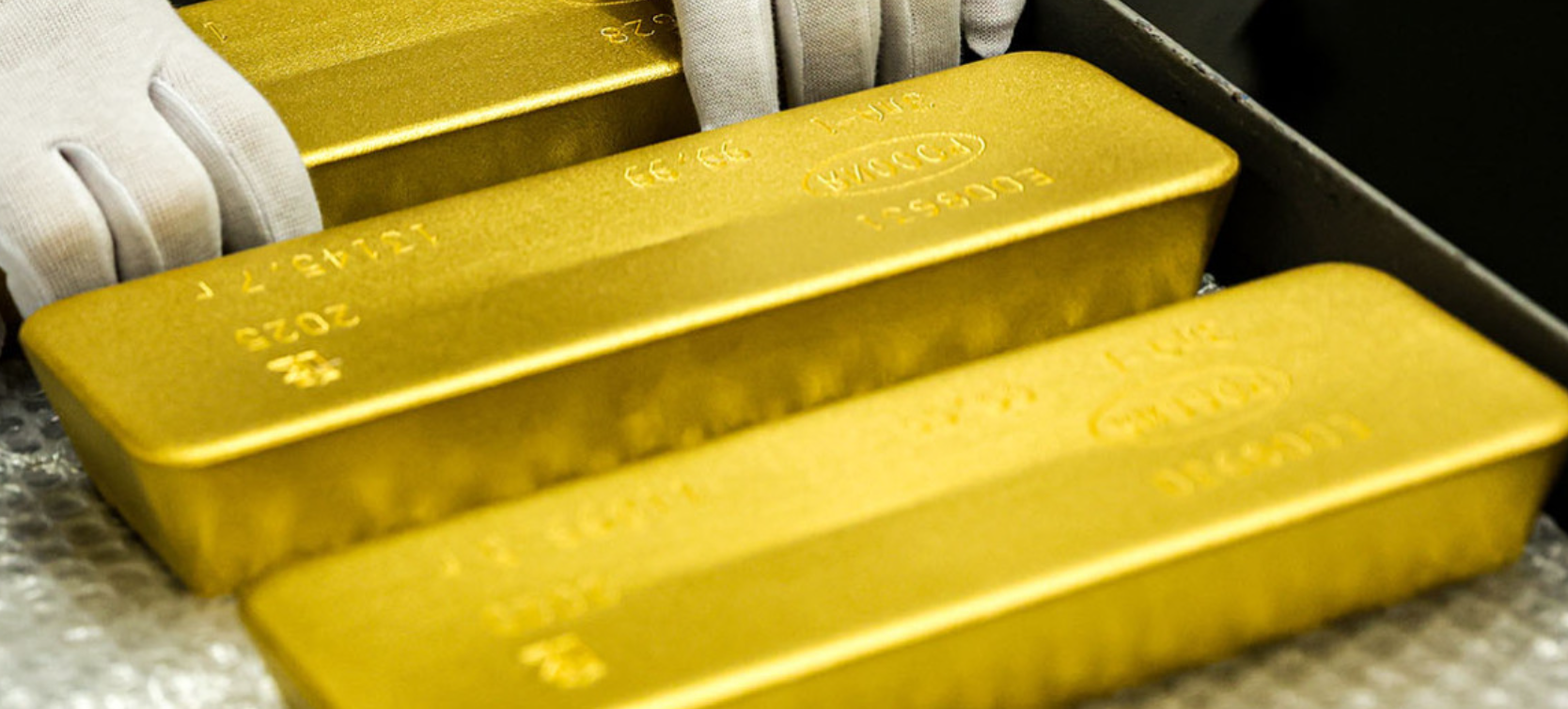
For the first time in its history, the Central Bank of Russia has started direct sales of gold from its reserves in the domestic market. Access to gold is open to banks, state-owned companies and certain investment structures. This was reported by the Foreign Intelligence Service of Ukraine, "Komersant Ukrainian" reports
This step indicates that Moscow is beginning to eat up strategic reserves, using gold as a tool to patch financial holes, support the ruble, and cover the budget deficit.
Why it matters: gold has become a “safety cushion” for the Russian economy
The assets of the central bank of the Russian Federation in US dollars, euros and other major Western currencies were frozen as part of the sanctions imposed by the West against Russia over its military actions in Ukraine.
In 2023, Russia excluded the US dollar, the euro and other Western currencies from the currency structure of its fiscal reserves, which are now held in Chinese yuan and gold, with target shares of 60% and 40%, respectively.
Until 2025, the Central Bank of the Russian Federation has traditionally only accumulated gold, accepting it from the Ministry of Finance and replenishing its own reserves. No sales were made to commercial players.
However, the situation has changed. Due to sanctions, a drop in foreign exchange earnings and a rapid decline in liquid assets, the state began to convert gold into money.
According to media reports, Russia’s gold reserves exceed 2,300 tons, which is the fifth largest reserve in the world.
The state of the Russian National Welfare Fund is particularly critical:
- in 2022 – 113.5 billion dollars,
- in 2025 – only 51.6 billion dollars.
- the amount of gold in the fund decreased by 57%: from 405.7 tons to 173.1 tons.
This shows that the reserves are being depleted faster than the government is able to restore them.
How much gold is Russia already selling?
According to intelligence and analysts:
- 2025 – sales could reach $30 billion (approximately 230 tons of gold);
- 2026 – at least $15 billion (about 115 tons).
This is an unprecedented level of monetization of gold reserves, which Moscow has considered untouchable for decades.
Why is Russia selling gold?
Gold sales allow the Kremlin to:
- maintain liquidity of state-owned companies,
- make prompt budget payments,
- restrain the fall of the ruble,
- partially compensate for the loss of foreign exchange earnings from oil and gas.
In fact, gold has become the last major resource that the Russian authorities can quickly turn into money.
What risks does the sale of gold reserves pose?
Although gold helps the Russian budget to “reach” to the next periods, this strategy creates serious long-term threats:
- depletion of liquid reserves in the coming years;
- increased dependence of the budget on one-time sales of assets;
- reduced opportunities for foreign exchange interventions;
- loss of financial stability during future crises;
- risks for state-owned companies, which are becoming increasingly dependent on the Central Bank’s support.
In essence, we are talking about eating up reserves, which indicates a narrowing of the Kremlin’s financial space amid sanctions and falling revenues.