For the first time in 25 years, Russia has begun selling off its gold reserves: what is known and why this happened
24 March 13:13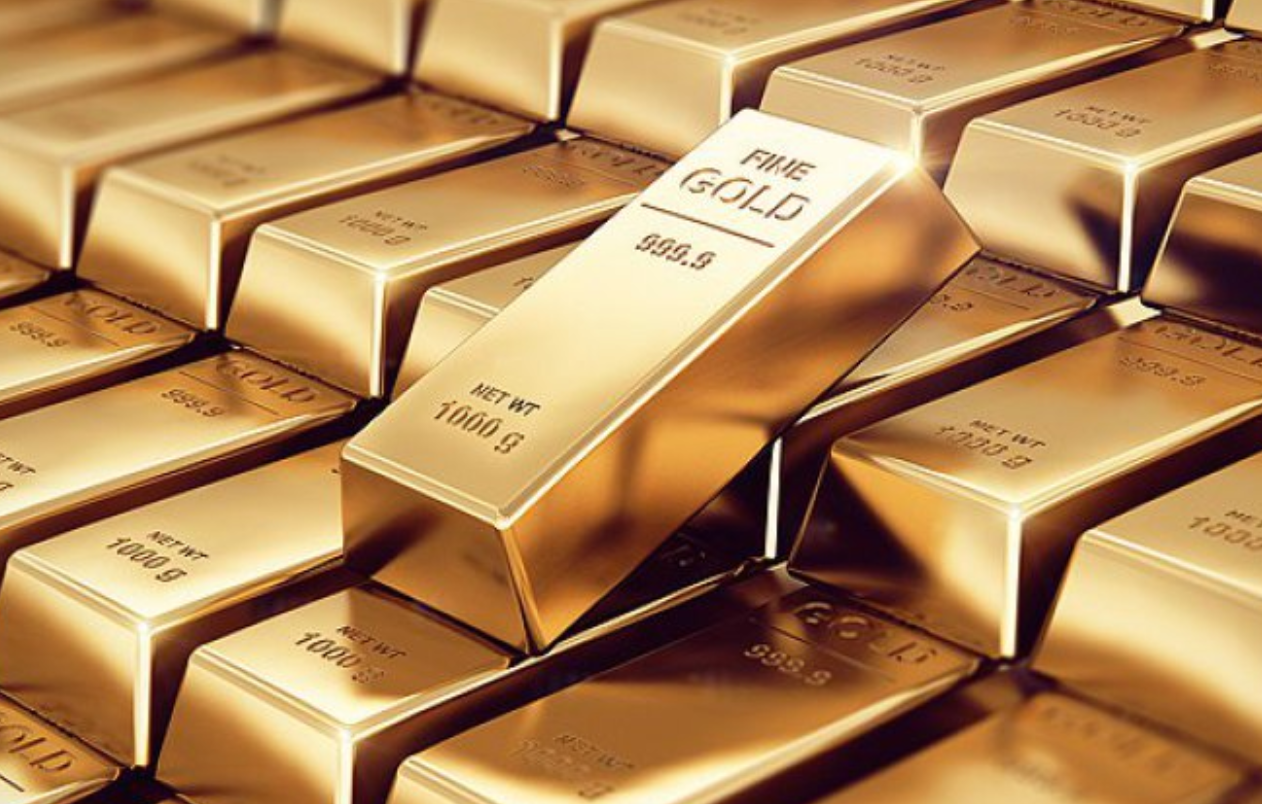
For the first time in nearly a quarter of a century, Russia has begun selling physical gold from its international reserves. This move may indicate difficulties in filling the country’s budget amid sanctions and economic pressure. The Moscow Times reports this, citing data from the Central Bank of Russia, according to "Komersant Ukrainian".
How much gold has Russia already sold?
According to official information from the Russian regulator, significant amounts of gold were sold in early 2026:
- in January — about 300,000 ounces
- in February — another 200,000 ounces.
In total, sales over the two months amounted to approximately 14 tons of gold, marking the largest reduction in Russia’s gold reserves since 2002.
As a result, gold reserves fell to 74.3 million ounces, the lowest level in the past four years.
Why is Russia selling gold?
Economic experts believe that this decision may be linked to several factors:
- the need to cover the budget deficit
- an effort to preserve foreign exchange reserves
- taking advantage of high global gold prices
- the consequences of international sanctions
Previously, Russian authorities also used gold from the National Wealth Fund to finance expenditures, but these transactions were internal and did not result in an actual reduction of reserves.
Now, however, we are talking specifically about selling gold on the market.
What reserves remain in Russia
As of March 2026:
- the value of Russia’s gold reserves is estimated at approximately $384 billion
- gold accounts for about 47% of international reserves
- the total volume of reserves is about $809 billion.
At the same time, about $300 billion in Russian assets remain frozen in Western countries due to sanctions.
Has Russia sold gold before?
The last time a similar reduction in gold reserves occurred was back in the early 2000s. Over the past decades, Russia has, on the contrary, actively built up its gold reserves in an effort to reduce its dependence on the dollar.
After 2014, Russia significantly increased its gold purchases due to Western sanctions.
What this could mean for the Russian economy
Experts note that the sale of gold could be a sign of financial pressure on the Russian economy.
Such actions could indicate:
- a shortage of liquid funds
- difficulties accessing foreign currency resources
- the need to finance military spending
- budget problems.
The start of gold reserve sales may signal a new phase of economic pressure on Russia. Despite significant reserves, the country is forced to use strategic assets to maintain financial stability.