Russia produces Oreshnik missiles on German and Japanese equipment – FT
27 December 2024 12:42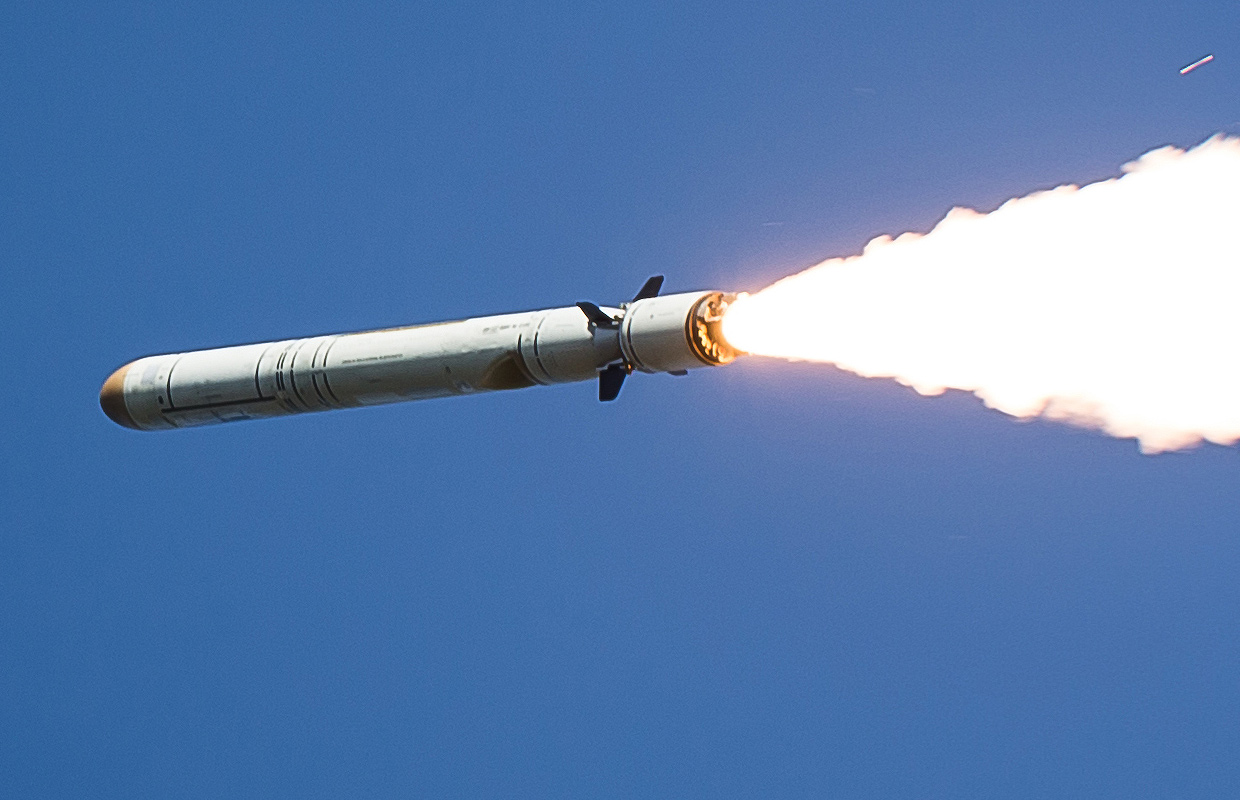
The new Oreshnik ballistic missile, which Russia first launched at Ukraine in November, was manufactured by Russian companies, but using Western equipment. This is stated in an investigation by the Financial Times, "Komersant Ukrainian" reports.
It is noted that two leading Russian defense engineering institutes, which Ukrainian intelligence calls the developers of the Oreshnik missile – the Moscow Institute of Heat Engineering (MIT) and the Suzirya concern – have announced the recruitment of workers familiar with metalworking systems manufactured by German and Japanese companies.
The vacancies tracked by the Financial Times illustrate how the Kremlin’s military machine remains critically dependent on foreign technologies that are subject to Western sanctions.
The MIT’s 2024 job postings, which the publication studied, note that the company uses systems from Japan’s Fanuc and Germany’s Siemens and Heidenhain. All three companies produce control systems for computer numerical control (CNC) machines.
Suzirya also uses similar equipment: in its job advertisement, the company required potential employees to know the CNC systems of these companies.
Another company involved in the production of Oreshnik, Titan-Baricada, published a photo showing a worker standing in front of a device with a Fanuc logo. It is noted that even the Stan company, which is trying to develop Russian production of CNC machines, indicates in its ads that it uses Heidenhain equipment.
Russia has long relied on foreign machine tools, despite attempts to create domestic alternatives. While the Kremlin has been buying large amounts of precision metalworking equipment from China, the controls to run it continue to be purchased in the West.
Although export controls have slowed the flow of these goods into Russia, according to the FT, at least $3 million worth of supplies have entered the country since the beginning of 2024, including Heidenhain components, including to military manufacturers.
The FT notes that stopping the flow of equipment to Russia is a priority for Kyiv’s allies.
Heidenhain and Baltic did not respond to FT’s requests for comment.
Siemens said it “does not compromise on compliance with (sanctions)” and is investigating “any signs of circumvention … and involving the necessary and appropriate authorities.”
Fanuc acknowledged that the machine pictured on the Titan Barricades is similar to theirs, but noted that it appears to be old.
The company said it has “increased vigilance and controls” as part of our export control processes to prevent the potential diversion of technology or equipment to Russian entities.
To recap, Russia first used these weapons during a missile attack on Dnipro on November 21. A few hours later, Russian President Vladimir Putin appeared on television and boasted about the new hypersonic missile. He warned the West that its next use could be against Ukraine’s NATO allies, who have allowed Kyiv to use their longer-range missiles to strike Russian territory.
The attack came two days after Putin signed a revised version of Russia’s nuclear doctrine that lowered the threshold for the use of nuclear weapons. The doctrine allows for a potential nuclear response by Moscow even to a conventional attack on Russia by any country that enjoys the support of a nuclear power.