Russia intimidates Belgium through its frozen assets – media
18 December 2025 15:09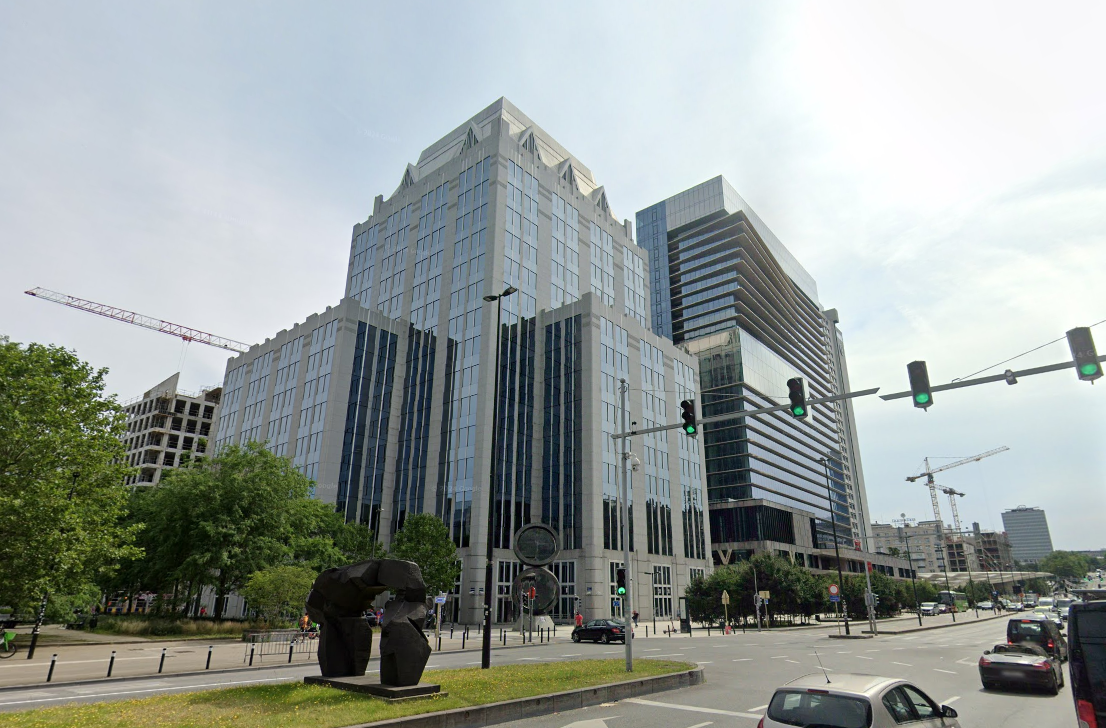
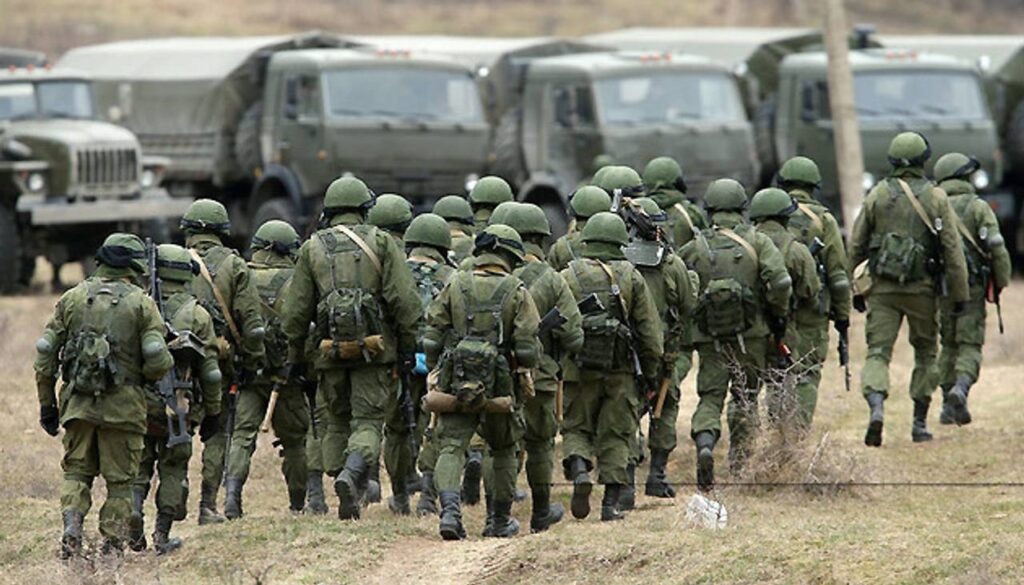
Belgian politicians and senior financial sector officials have been the targets of an intimidation campaign that European intelligence agencies believe is being carried out by Russian special services, the British newspaper The Guardian reported on Thursday, December 18, citing security sources, "Komersant Ukrainian" reports.
According to the sources, the purpose of these actions is to persuade Belgium to block the use of frozen Russian assets to help Ukraine.
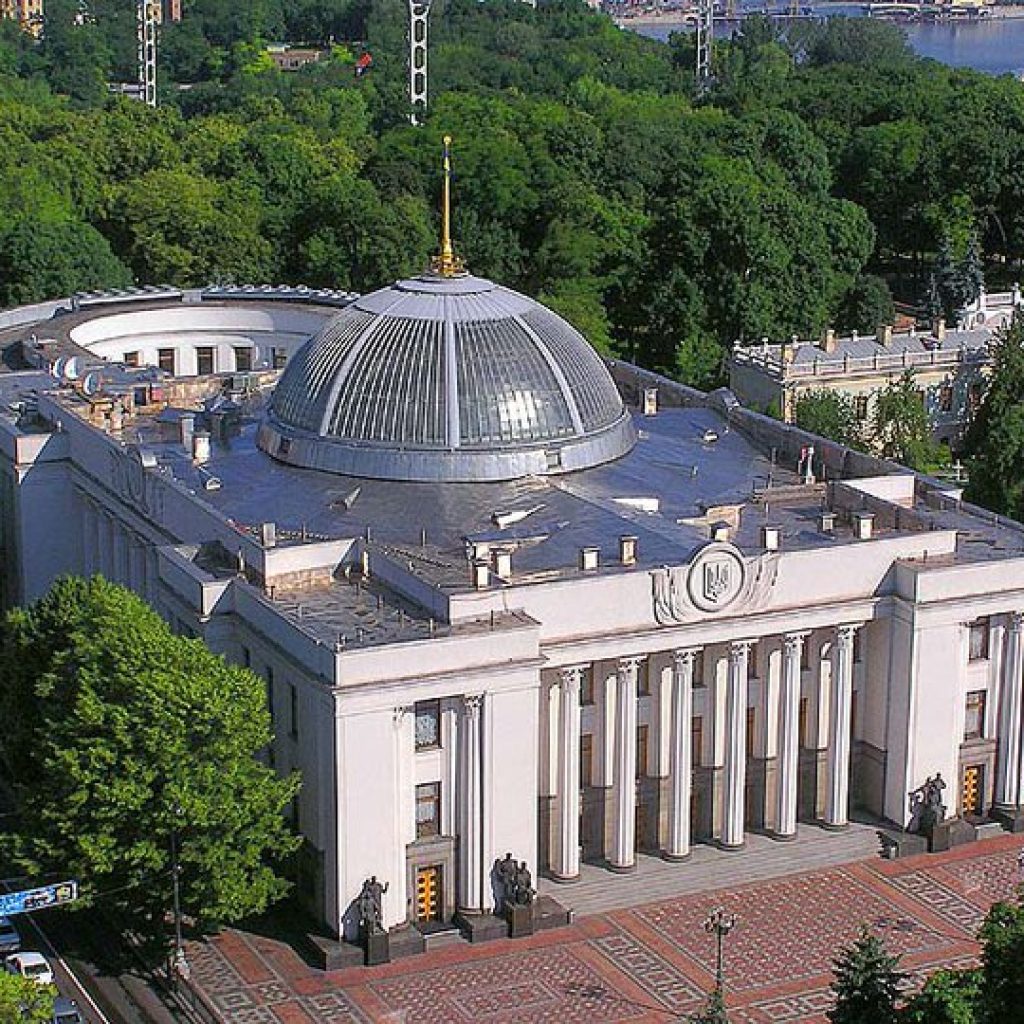
According to the sources, key figures in Euroclear, which manages most of the frozen assets of the Central Bank of Russia, as well as the country’s leaders, were subjected to targeted pressure. European leaders, who gathered in Brussels on Thursday, are discussing the possibility of approving a loan to Ukraine secured by these assets. This is considered a necessary measure to allow Kyiv to continue to defend itself against Russian aggression in 2026 and 2027.
The Guardian’s interlocutors believe that the Main Directorate of the General Staff of the Russian Armed Forces, formerly known as the GRU, is behind the intimidation campaign.
“They are definitely using intimidation tactics,” said one EU official.
The role of Belgium and Euroclear
Belgium is in the spotlight because it is the Brussels-based Euroclear company that holds about €185 billion of the €210 billion in assets of the Central Bank of Russia frozen by the EU after Russia’s armed invasion of Ukraine in February 2022. On Thursday and Friday, EU leaders are discussing a €90 billion initial loan to Ukraine secured by these funds.
The Belgian authorities have expressed doubts about the legal validity of such a scheme and say they will agree to it only if there are guarantees of full reimbursement to Euroclear if Russia seeks a refund through the courts. Moscow has publicly warned that the use of the assets will be considered theft. The Central Bank of Russia announced its intention to recover $230 billion from Euroclear as part of a lawsuit filed in Russian courts.
According to sources, the pressure campaign was aimed primarily at individuals. Threats were allegedly made against Euroclear CEO Valerie Urben and other top managers of the company.
Authorities’ reaction
Euroclear declined to comment, stating that “any potential threats are treated with the utmost seriousness and thoroughly investigated, with the involvement of the authorities if necessary.” Earlier, EUobserver reported that Urbain had allegedly received threats and sought police protection in 2024 and 2025. This allegation was denied, but, as noted in the publication, she and other company executives subsequently hired first a Belgian and then a French security firm.
Le Monde newspaper wrote in November that Urbain had been accompanied by a bodyguard for more than a year, but she did not comment directly on the security issue. Belgian Prime Minister Bart de Wever has previously publicly warned about the possible consequences of confiscating Russian assets.
A government spokesman in Brussels on Wednesday refused to comment on reports of threats against ministers or Euroclear management, citing security concerns. At the same time, a spokesman for Belgian Foreign Minister Maxime Prevost said he had no information about threats against him.
The urgent need for a large loan
The United Kingdom, which has frozen an estimated €27 billion of Russian assets, supports the use of these funds to help Ukraine. Belgium insists that similar support should be expressed by other countries, where Russian assets worth about 290 billion euros are frozen, to reduce legal risks.
Ukrainian authorities and experts emphasize that the EU loan is key to Kyiv’s continued military efforts. According to the head of the Kyiv Institute of Economics, Natalia Shapoval, Ukraine will need about $50 billion in external financing in 2026, of which only half has been secured so far.
She called the need for additional international financing “absolutely critical,” noting that Ukraine’s Ministry of Defense needs predictable financial flows to purchase weapons and invest in the defense industry. Without additional assistance, she warned, Kyiv could face serious problems as early as the second quarter of 2026.