The Russians destroyed the porcelain factory in Druzhkivka: what made this factory unique
28 March 04:13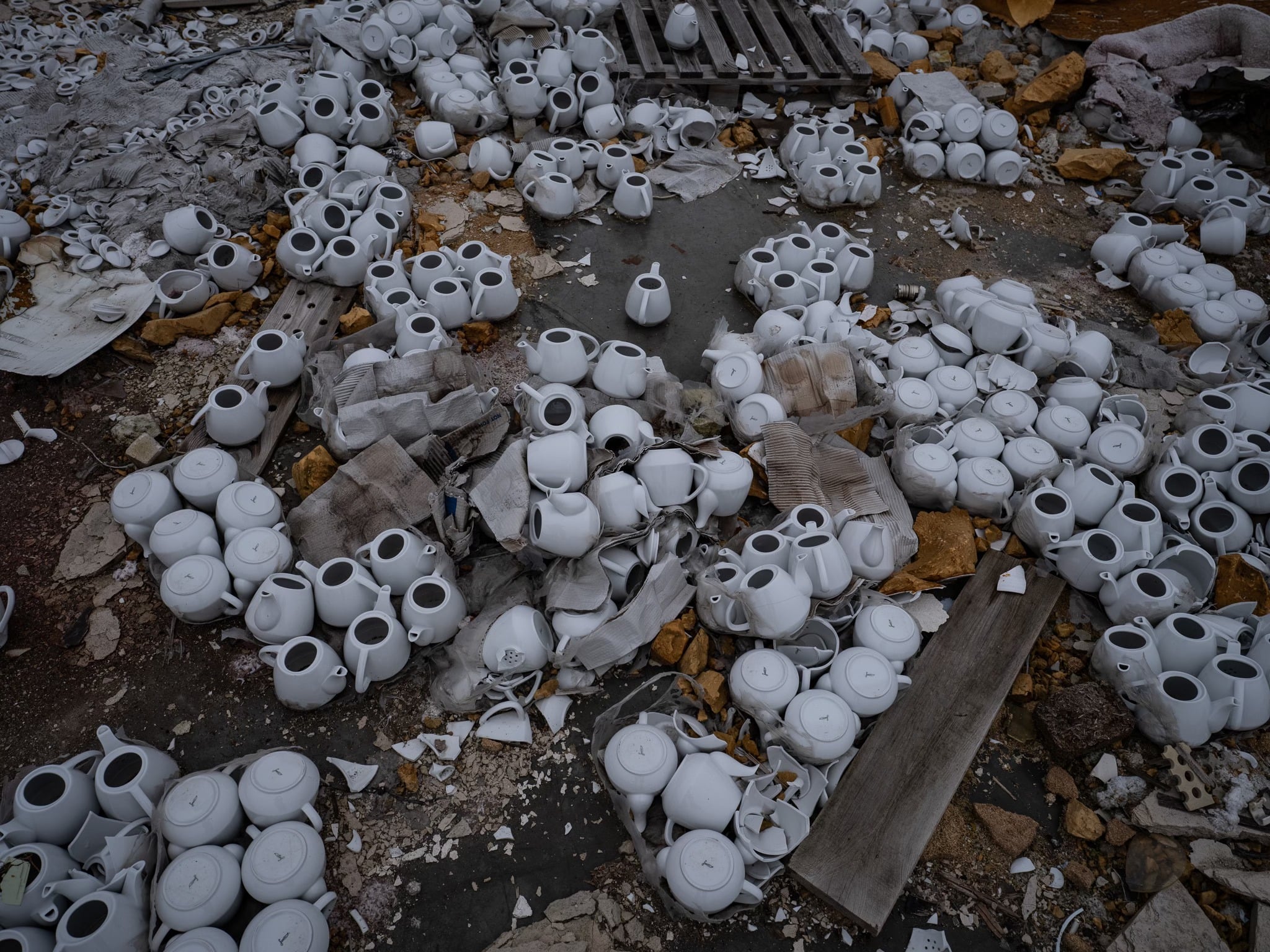
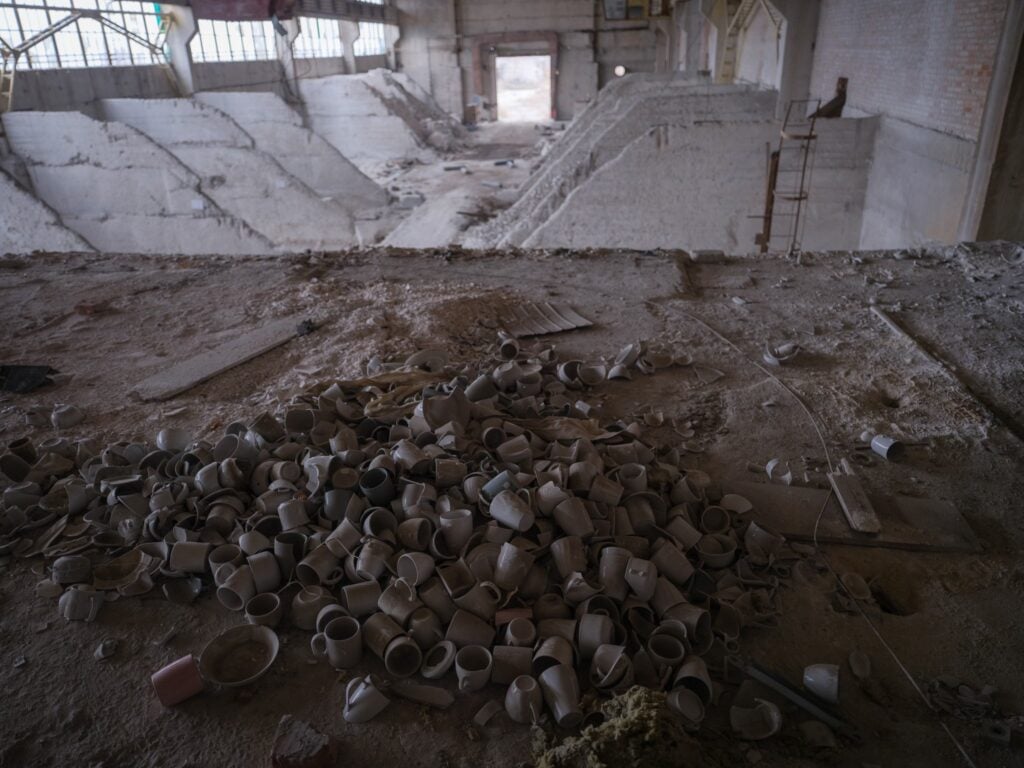
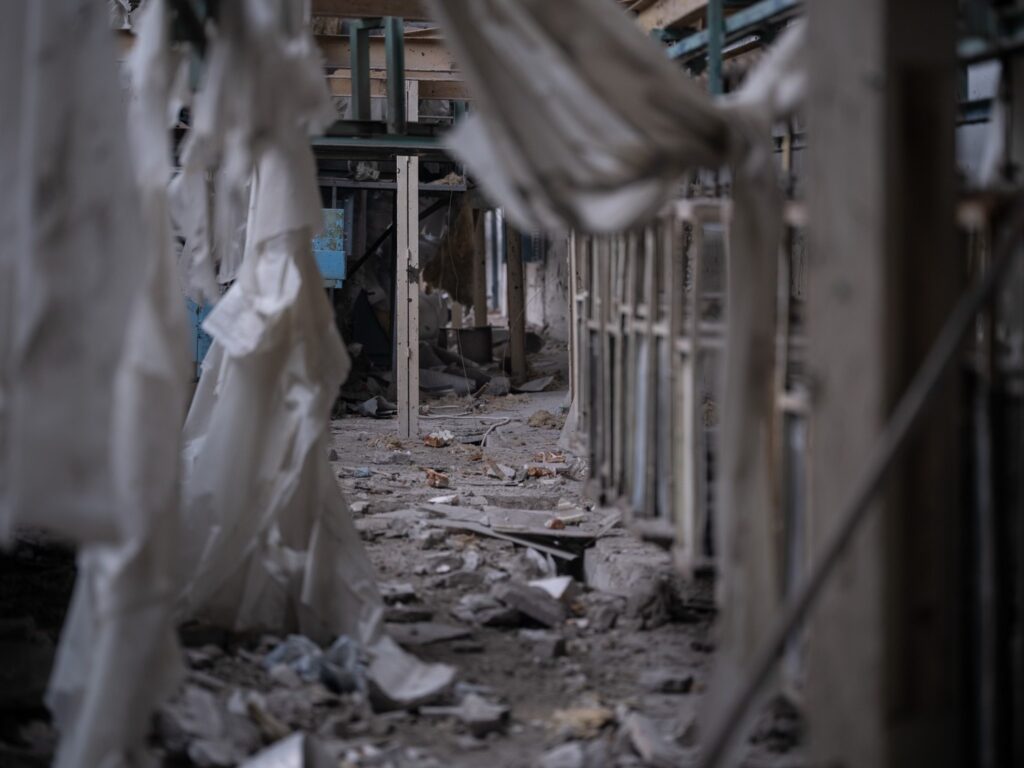
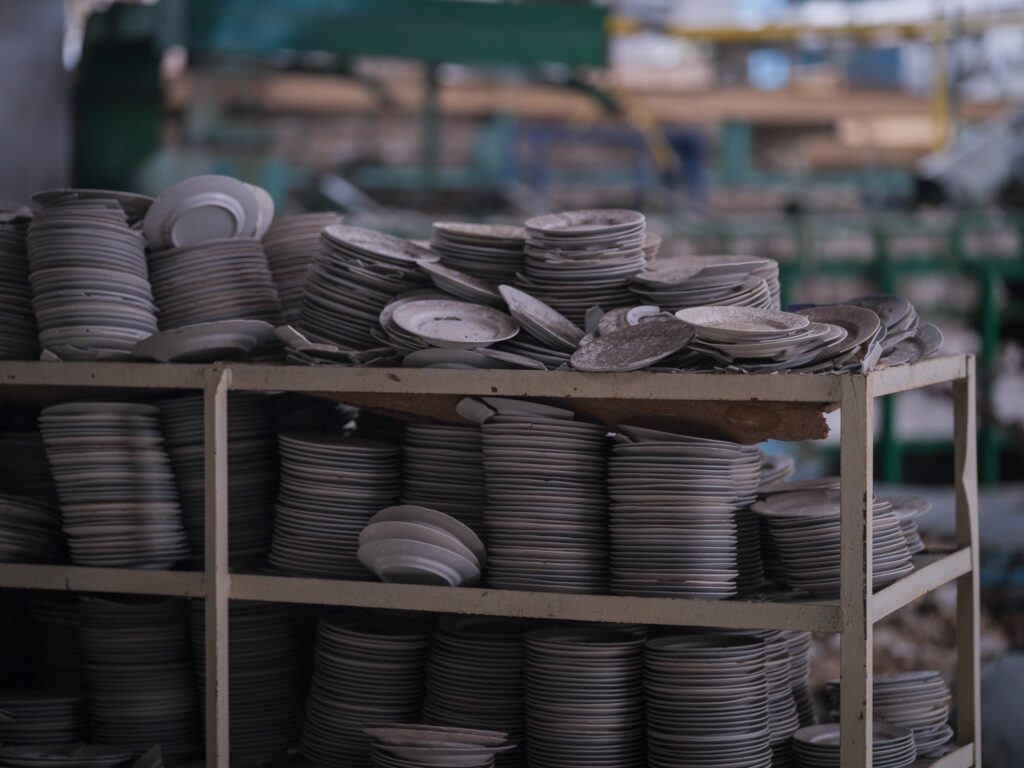
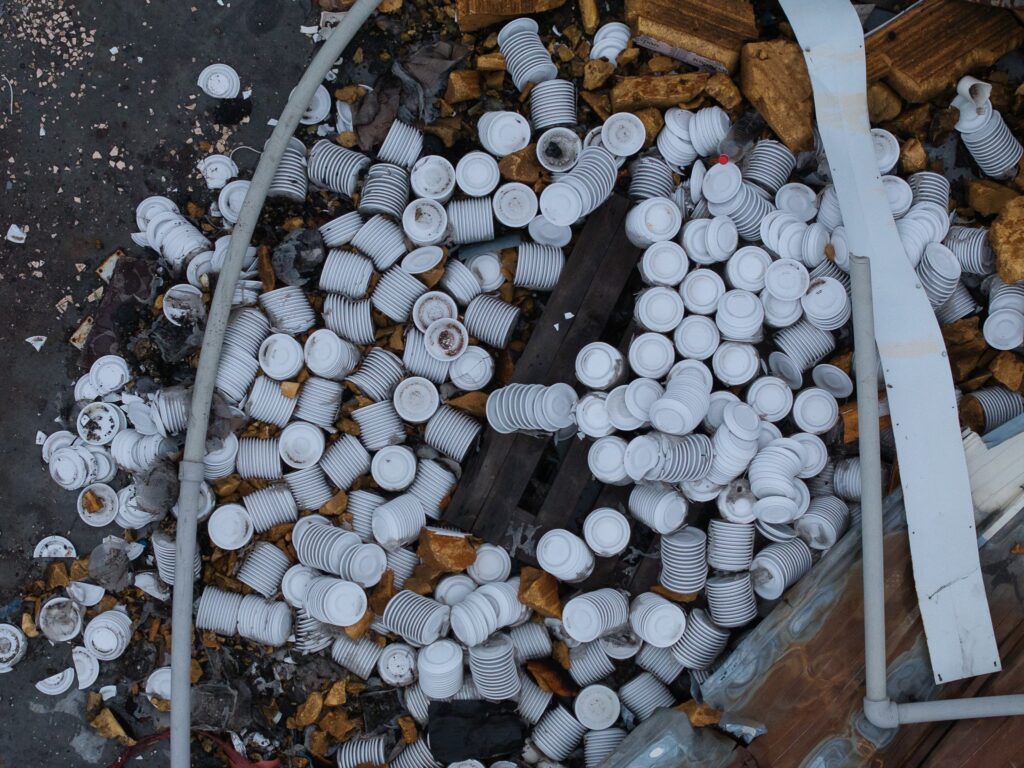
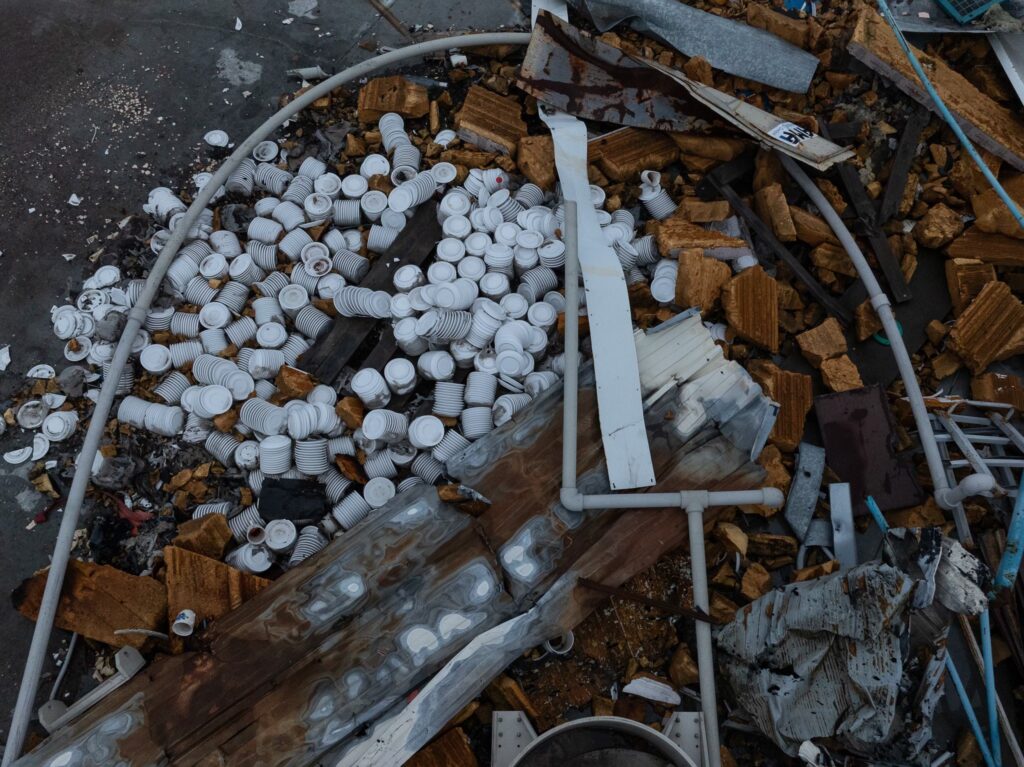
In Druzhkivka, Donetsk Oblast, Russian troops destroyed a porcelain tableware factory—one of the most renowned enterprises in Ukraine’s porcelain and earthenware industry. The facility in question is the Druzhkivka Porcelain Factory, which was once one of the largest porcelain manufacturers in Ukraine and the entire region.
The destruction of the enterprise was reported by Irina Rybakova, press officer of the 93rd Separate Mechanized Brigade “Kholodny Yar,” according to "Komersant Ukrainian"
What happened in Druzhkivka
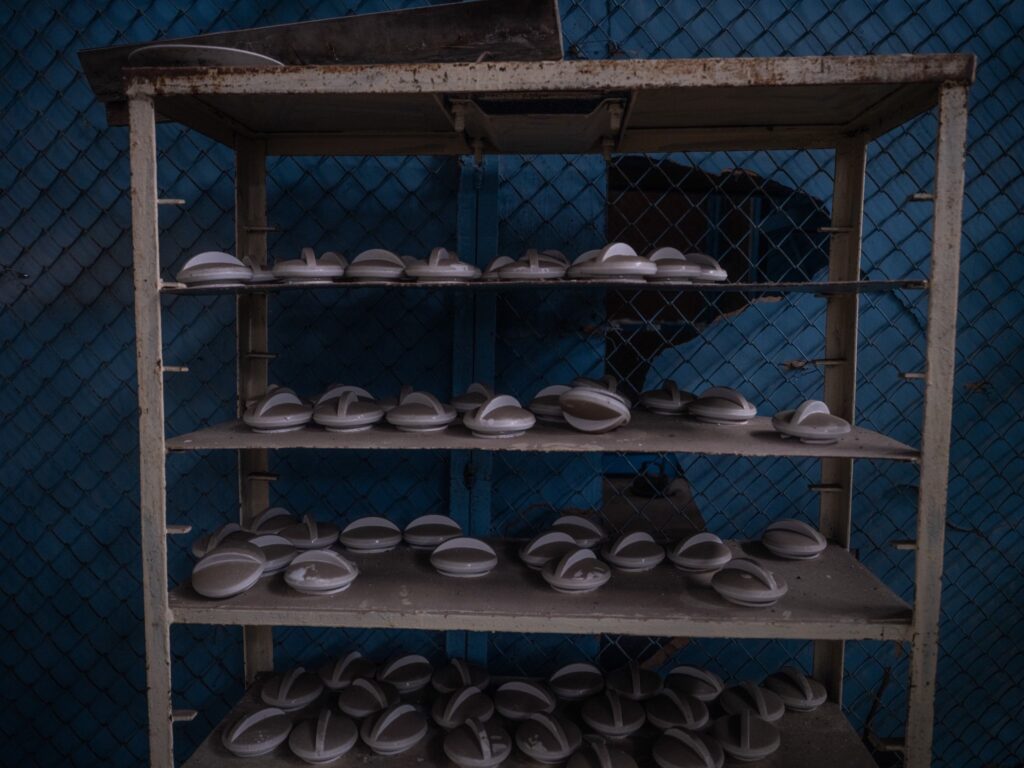
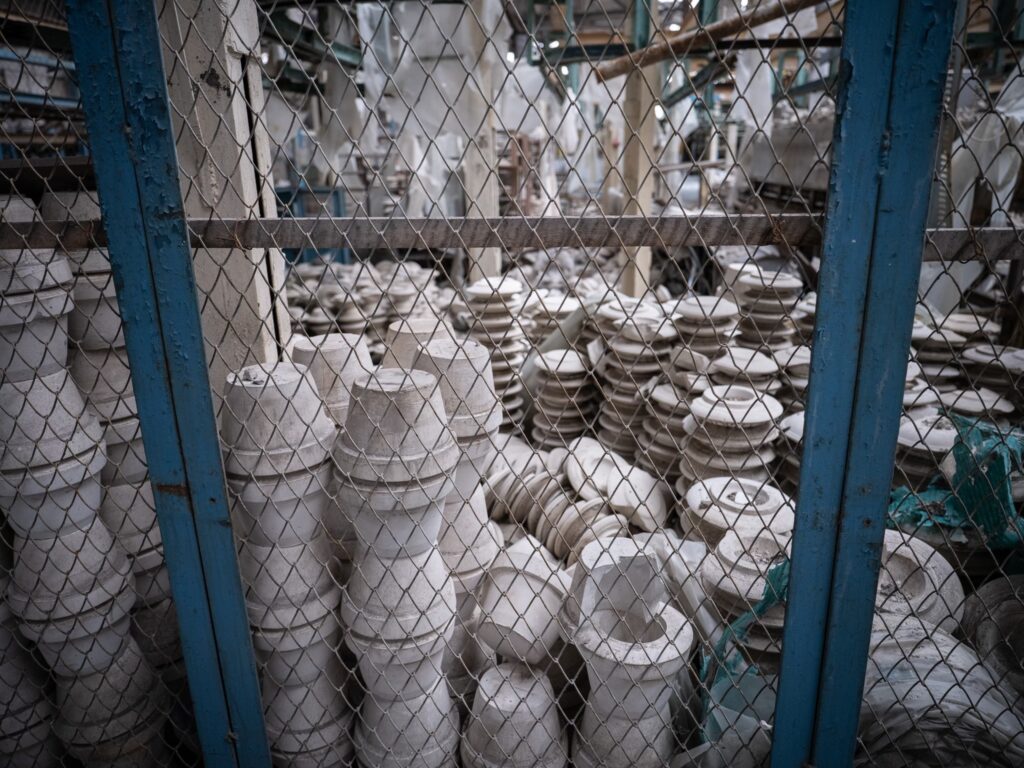
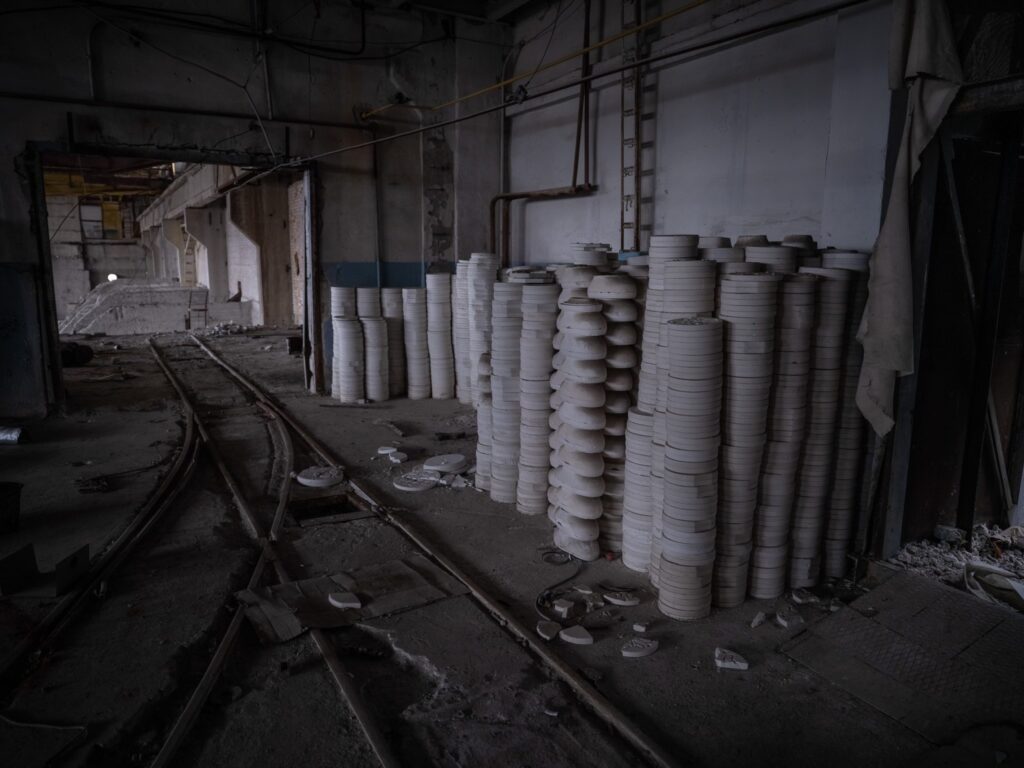
According to Iryna Rybakova, access to parts of Druzhkivka and its surroundings is becoming increasingly difficult due to the constant danger and the approaching hostilities. That is why she released more photos of the destroyed factory, which had previously been captured on camera following shelling.
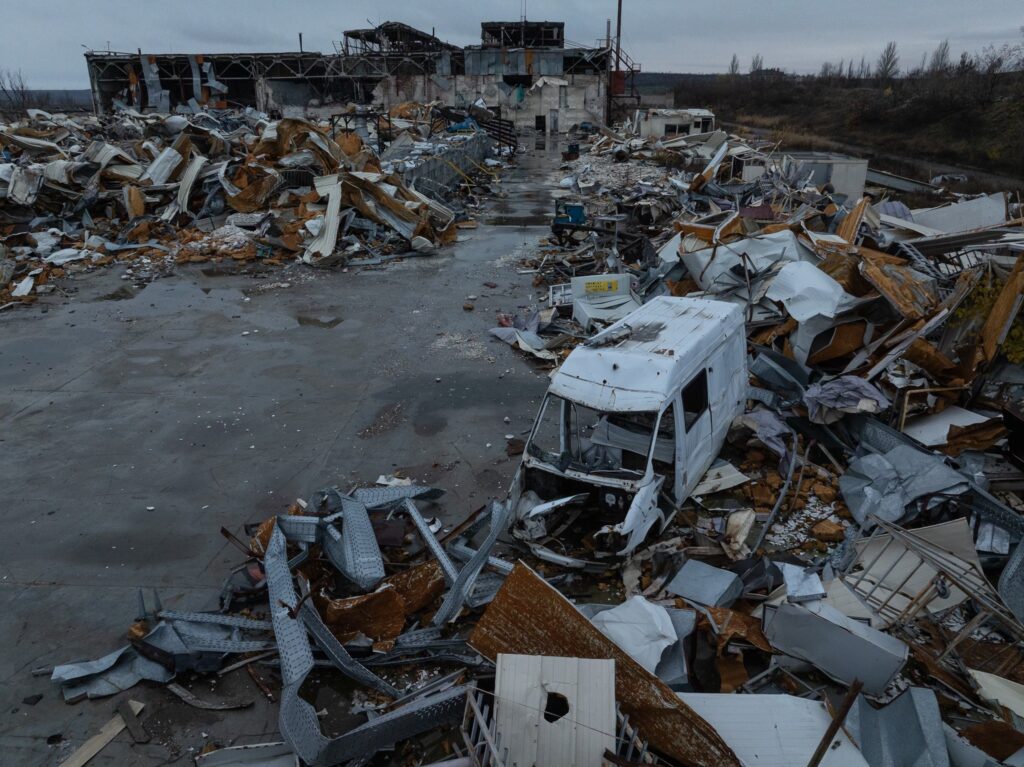
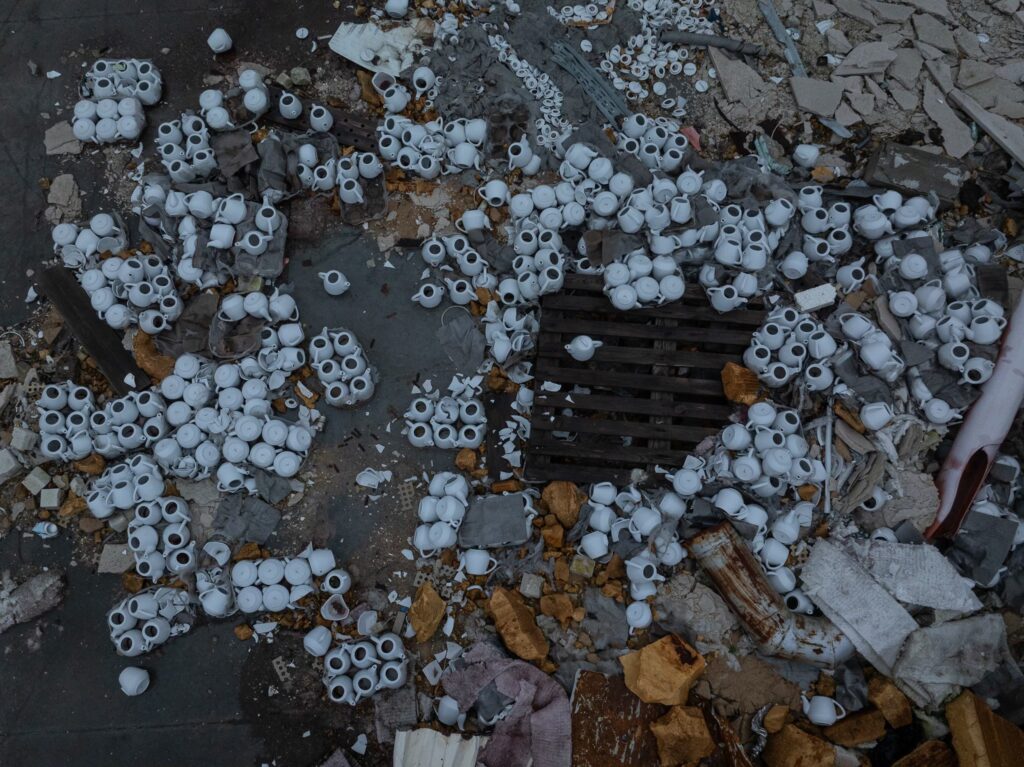
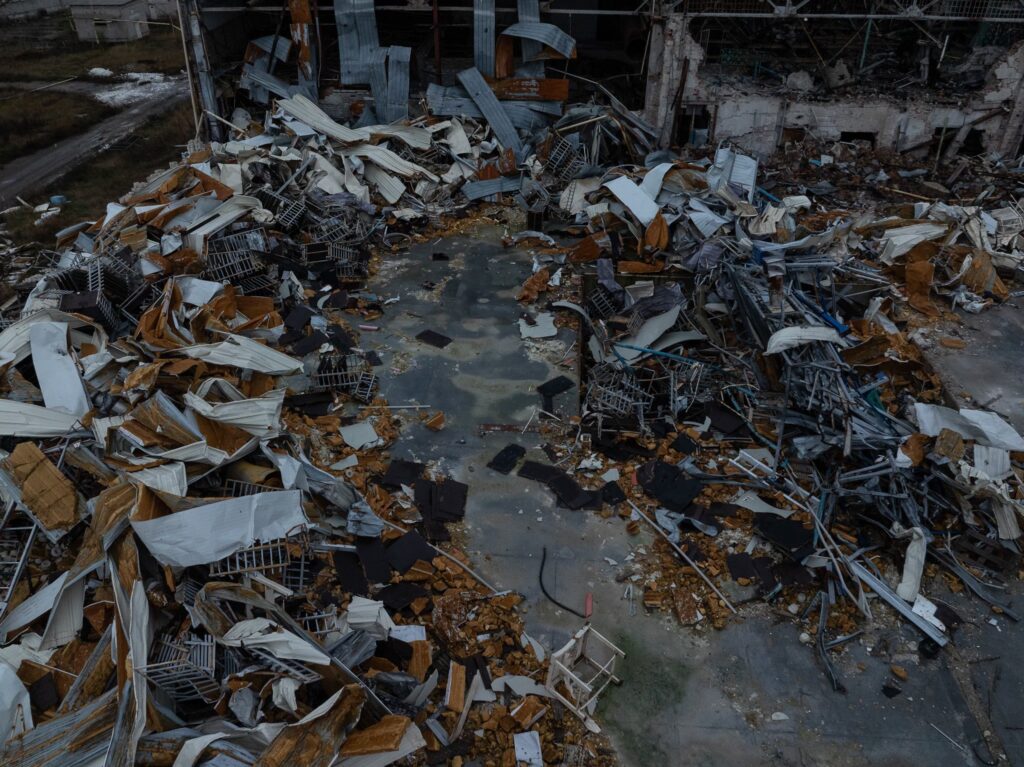
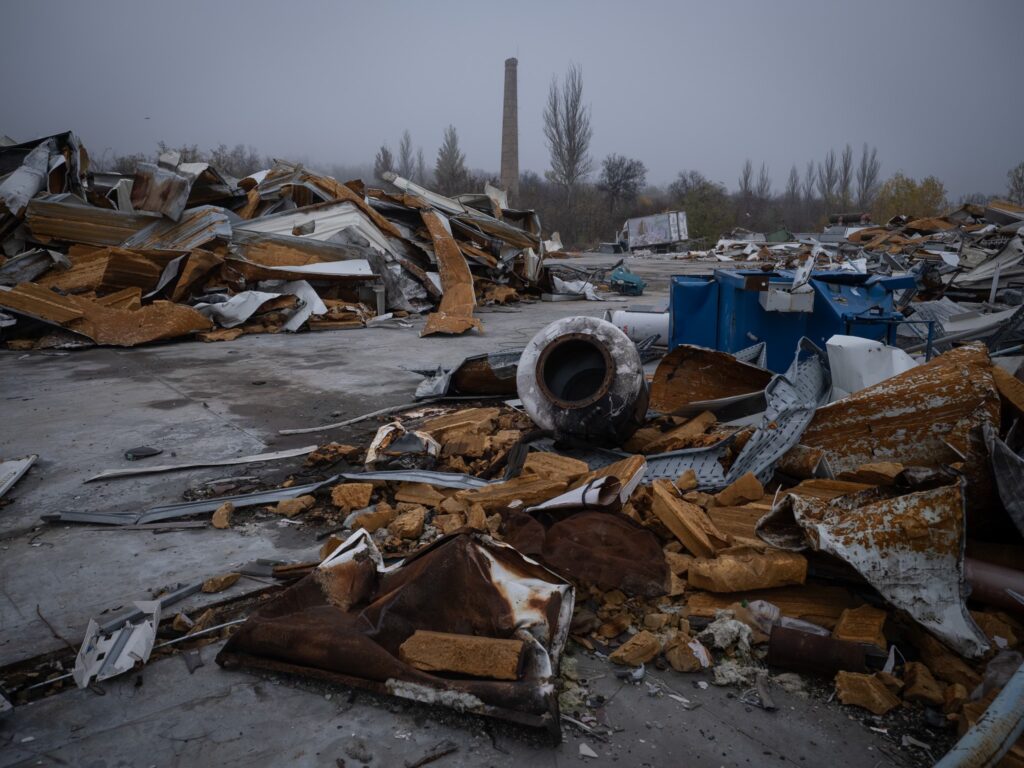
She emphasized that the situation in the city is deteriorating, and moving around certain areas may become impossible in the very near future.
What is known about the Druzhkivka Porcelain Factory
The Druzhkivka Porcelain Factory was one of the symbols of Ukrainian industry. The plant was located in the city of Druzhkivka, Kramatorsk District, Donetsk Oblast.
It was built in 1971, and the plant released its first products as early as November of that year. The enterprise was officially commissioned in 1972.
Very quickly, the factory became one of the largest and most modern enterprises in the porcelain and earthenware industry of the then Ukrainian SSR.
What products did the factory produce?
The main focus of the enterprise was the production of porcelain tableware:
- tea sets;
- coffee sets;
- tableware;
- decorative vases;
- figurines;
- other artistic items.
Among the factory’s well-known products were the “Hutsulochka,” “Kuty,” and “Aidar” sets, as well as other porcelain items that were widely recognized in Ukraine.
The factory’s artisans created tableware with a distinctive style: elegant teapots, bud-shaped cups, delicate decorative elements, and carved rims.
What made the factory unique
The Druzhkivka Porcelain Factory had significant production capacity. The enterprise could produce approximately 25 million items annually, with maximum output reaching 26.5 million pieces of porcelain per year.
Production processes were fully mechanized, which for its time was a hallmark of a modern and technologically advanced enterprise.
How the factory’s fortunes changed
After Ukraine joined the World Trade Organization in 2008, increased imports of cheaper porcelain products and the financial crisis significantly complicated the enterprise’s operations.
Despite this, by 2010 the factory had partially stabilized, and in 2012, 106 million hryvnias were invested in the modernization of the workshops.
In 2013, the factory launched a new German production line for restaurant porcelain, which allowed it to expand its product range.
As of May 2017, the company remained the sole manufacturer of porcelain in Ukraine.
In 2018, the factory was put up for sale through an electronic auction system.
What the destruction of the factory means
The destruction of the Druzhkivka Porcelain Factory is not only a blow to the Donetsk region’s industry but also a loss of part of Ukraine’s industrial and cultural heritage.
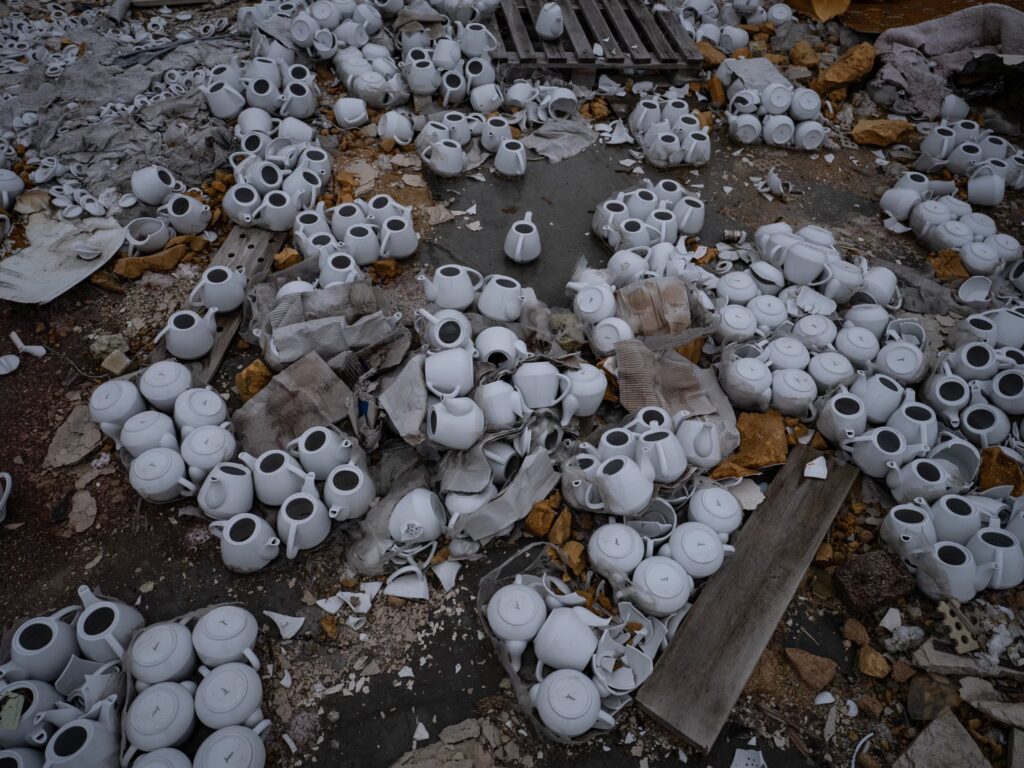
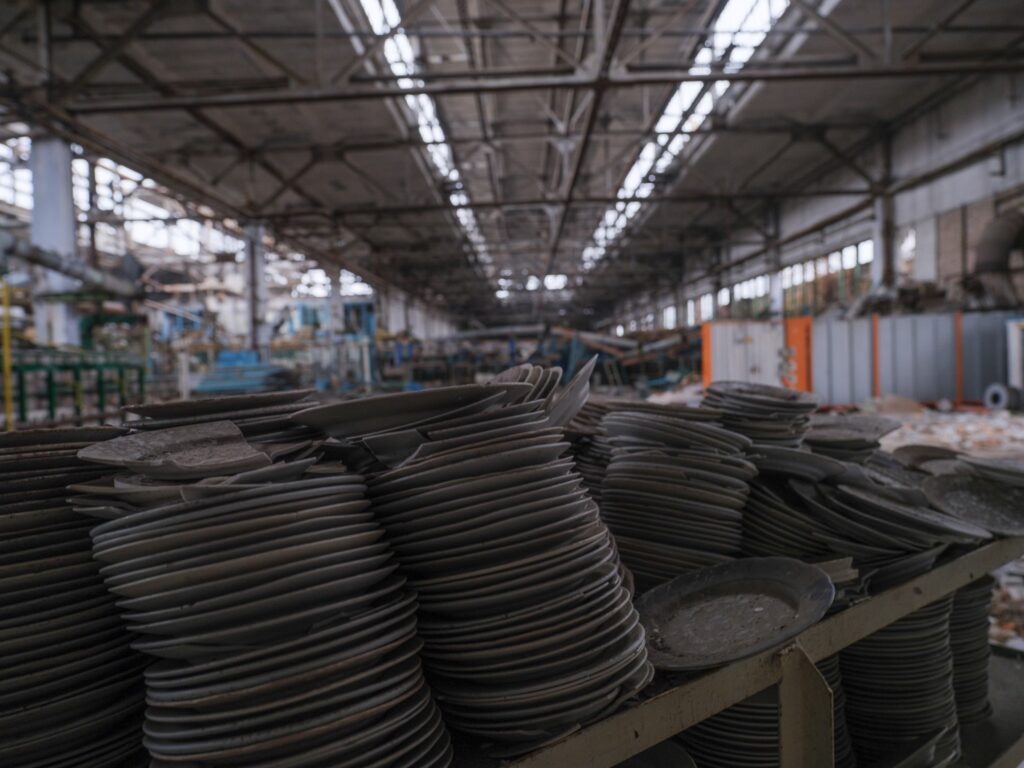
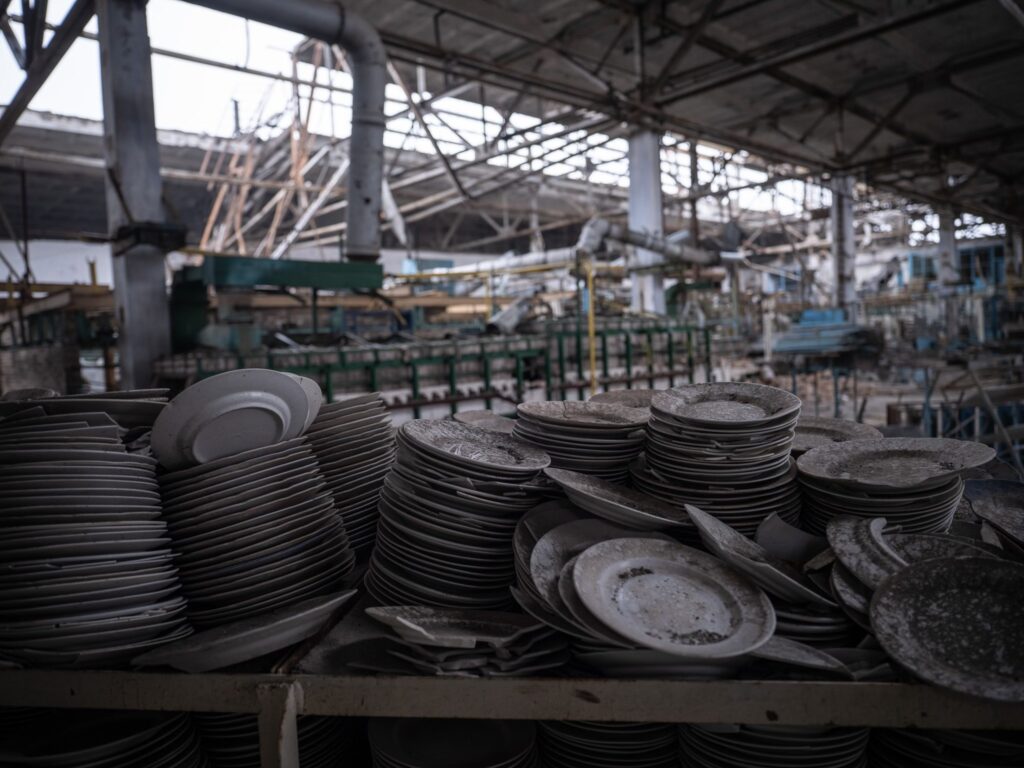
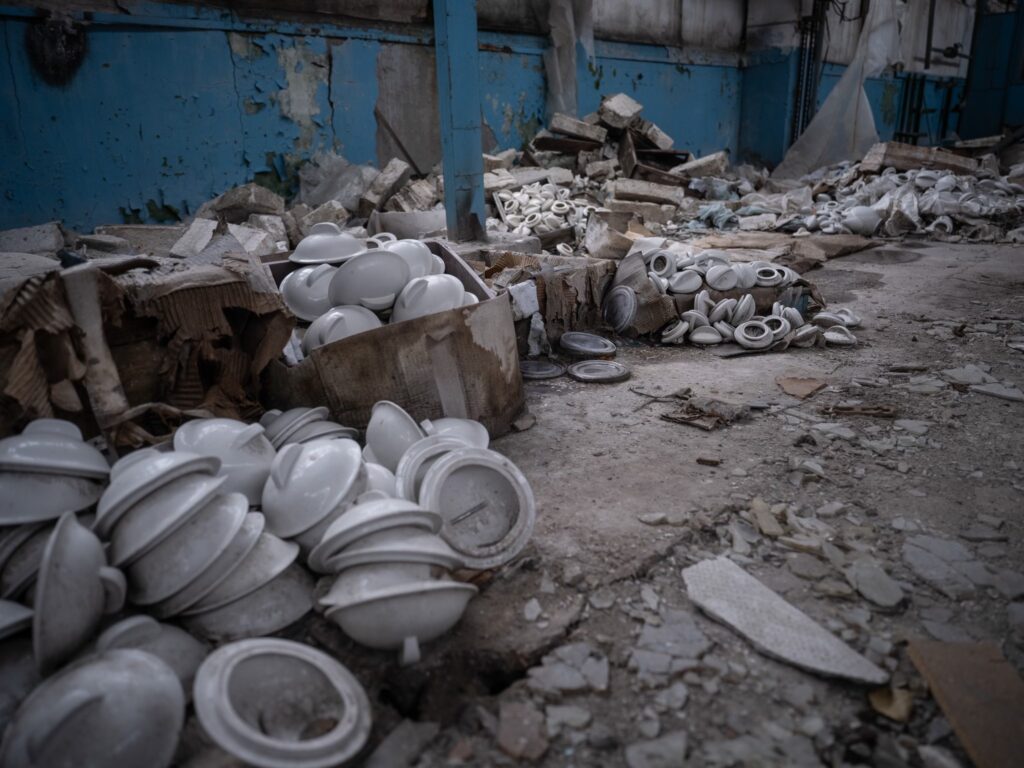
Such enterprises were important not only for the economy but also for the formation of Ukrainian design and industrial traditions.
Why this loss matters
Experts have repeatedly emphasized that Russia’s war against Ukraine is destroying not only residential neighborhoods and infrastructure but also entire chapters of Ukrainian industrial history.
In the case of the Druzhkivka Porcelain Factory, this represents the loss of:
- a well-known industrial brand;
- a unique production facility;
- the history of Ukrainian porcelain art;
- part of the region’s economic potential.