Russian aviation is in a dead end: Russian bombers are safer off the US coast
6 June 2025 11:01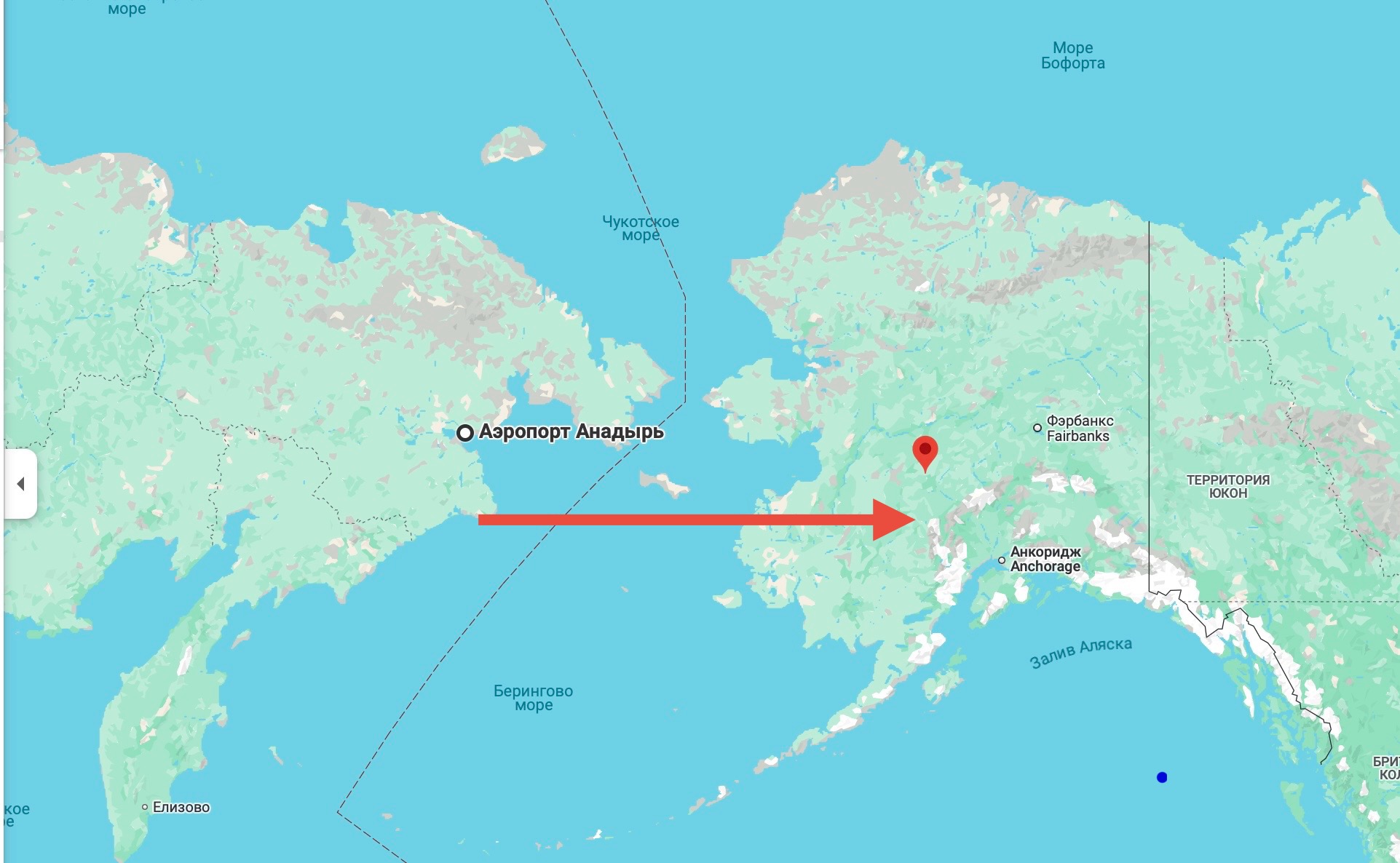 EXCLUSIVE
Amid the threat from Ukrainian drones, Russia is deploying Tu-160 aircraft across the country. One of them was spotted 660 kilometers from the United States. Meanwhile, Western intelligence confirms: Ukraine has completely destroyed up to 10 Russian aircraft as part of Operation Web. Will the movement of strategic aviation deeper into Siberia and closer to the United States save Russia? How Ukraine is changing the rules of air warfare – and what the new UAV commander is preparing – in "Komersant Ukrainian".
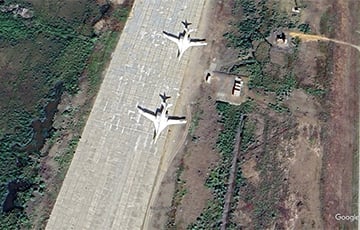
The Russian Federation has begun moving its Tu-160 strategic bombers to new, less vulnerable locations due to fears of attacks by Ukrainian drones. According to international monitoring groups, one of the planes was spotted at the Anadyr airfield in the Chukotka Autonomous Okrug. This is more than 6,700 kilometers from Ukraine and only 660 kilometers from the United States.
In an exclusive commentary
“They are not lying that they are relocating. This is due to the agreements between the US and Russia on nuclear parity. They cannot simply hide their strategic aircraft in a dungeon or under a hangar. This will upset the balance, and the Americans will immediately raise questions,”
– Kostyantyn Kryvolap notes.
The expert emphasizes that amid recent drone attacks on air bases in Engels and Olenya, Moscow is trying to avoid a repeat of the incidents, so it is actively looking for alternative locations. However, Russia’s infrastructure for receiving and maintaining such aircraft is limited.
“There are about 270 airfields in Russia, of which only 30-40 have runways capable of accepting Tu-160 or Tu-95. And even those are in different conditions. The Tu-160 requires a runway up to 3.5 km long and specific T-6 fuel. It’s technically difficult, if not impossible, to provide this at the alternate airfields,”
– explains Kryvolap.
The expert also draws attention to logistical difficulties, including refueling strategic aircraft that consume up to 140 tons of fuel.
“Imagine how many fuel tankers are needed to refuel one Tu-160. And then there’s the need to bring in this special kerosene, which is a serious challenge for Russian logistics,”
– Kryvolap adds.
In his opinion, Russia is currently acting out of fear and improvisation rather than a well-developed plan. The use of airfields that were previously considered nonessential is an attempt to avoid direct losses, but it is also a signal that Russia’s domestic aviation infrastructure is vulnerable.
“After a series of attacks, drones can get anywhere. And even if the Tu-160 has now flown to Chukotka, this is not a strategy, but a temporary maneuver. Russia is in a panic,”
– Kryvolap summarizes.
The Kremlin is trying to hide the scale of the attack
The Russian Ministry of Foreign Affairs has finally responded to the attack. Deputy Foreign Minister Sergei Ryabkov said that “the planes were not destroyed, but only damaged” and are subject to repair.
“The Kyiv regime is mistaken if it thinks that these strikes have disabled the aircraft completely. All machines can be restored. The work is ongoing,”
– Ryabkov said.
At the same time, Western intelligence reports paint a different picture. According to Reuters, citing sources in the US government, up to 10 Russian strategic aircraft were destroyed during the operation, and up to 20 more were damaged. U.S. officials called the attack “extremely serious” and one that could complicate Moscow’s position in potential peace talks.
“It was a very serious blow. It greatly limits Russia’s ability to use strategic aviation, and it also weakens its position in any negotiations if it comes to that,”
– said one of the officials quoted by Reuters.
As a reminder, according to Ukrainian data, 41 Russian aircraft were downed as a result of the “Web” special operation, which was personally supervised by President of Ukraine Volodymyr Zelenskyy and implemented by SBU Head Vasyl Malyuk and the SBU staff. Many of them have been destroyed irretrievably, and some of the damaged aircraft will take many years to rebuild. In particular, SBU fpv drones were recorded striking four enemy airfields: “Olenia, Ivanovo, Diaghilev and Belaya.
It was there that the strategic aviation of the aggressor state was based, which regularly shells peaceful Ukrainian cities. The damaged aircraft include A-50, Tu-95, Tu-22, Tu-160, as well as An-12 and Il-78.
Читайте нас у Telegram: головні новини коротко
Putin feels impunity
President of Ukraine Volodymyr Zelenskyy made a sharp statement about the Kremlin’s future plans and the international community’s weak response to Russian aggression. According to him, Russian President Vladimir Putin continues to prepare new attacks despite numerous strikes against Ukraine.
“Unfortunately, Putin feels impunity and even after all the terrible Russian strikes, he is allegedly preparing some more ‘responses’,”
– Zelensky said.
He also emphasized that every weak reaction of the world to threats from Russia is perceived by the Kremlin as a willingness to turn a blind eye to further crimes.
Amid such challenges, Ukraine is strengthening its defense capabilities. Robert “Magyar” Brovdi, the newly appointed commander of the Unmanned Systems Forces of the Armed Forces of Ukraine, presented a large-scale program of reforms and improvement of the efficiency of drone units.
“We already have the foundation laid by my predecessor Vadym Sukharevskyi, and we will build on it to a new level of combat effectiveness,”
– emphasized Magyar.
The key changes announced by Brovdi include
- strengthening 12 areas of UAV application, including electronic warfare, radar, interception, remote mining, etc;
- development of capabilities for independent production of ammunition;
- strategic reform of strikes against deep rear enemy targets (without detail for security reasons).
Ukraine is changing the rules of the game in air warfare
Operation “Spider’s Web” and its aftermath demonstrate a dramatic change in the balance of power in air warfare. Ukraine has proven that Russian strategic aviation is no longer an unattainable target; on the contrary, it has become vulnerable and is forced to flee thousands of kilometers from the front line. The deployment of Tu-160s to Chukotka is not a sign of Moscow’s tactical flexibility, but of its strategic weakness and panic in the Russian leadership.
At the same time, the appointment of a new commander of the drone forces and the announced reforms signal Ukraine’s readiness to further escalate its air campaign. Previously, Ukrainian drones could reach targets hundreds of kilometers away, but now they can reach thousands. Russia can move its planes as far away as Kamchatka, but it is only a matter of time before Ukrainian technology allows it to reach there as well. The Kremlin is trapped in a situation of its own choosing: the further it hides its aircraft, the more it demonstrates its weakness and fear of Ukrainian strikes.
Читайте нас у Telegram: головні новини коротко