Development of distributed generation in Ukraine: regions specify their capabilities and needs
6 January 2025 16:21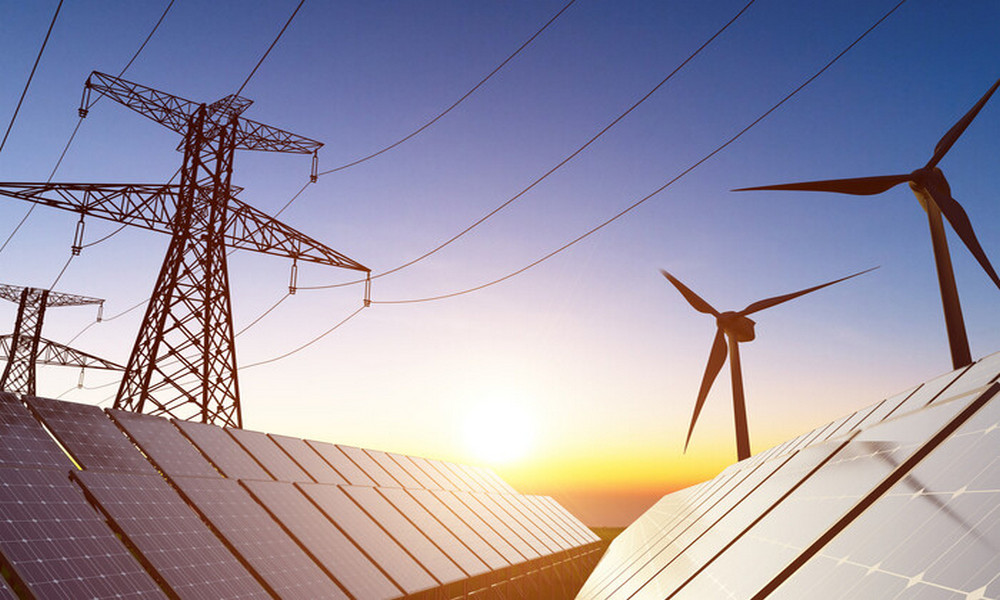
The Ministry of Communities and Territories Development of Ukraine, together with the Ministry of Energy and with the participation of regional and local administrations, as well as energy companies, have developed and approved energy independence passports for each region of Ukraine. This was reported by the Government portal, "Komersant Ukrainian" informs.
A region’s energy passport is a comprehensive assessment of the potential for distributed generation development in each individual region.
What are the benefits of regional energy independence passports?
The document allows regional administrations to develop detailed action plans, including those for the development of distributed generation, taking into account the specifics of each territory.
Energy independence passports will also be important for further cooperation with international donors to increase international assistance to regions that need it.
“This will help not only to increase energy security but also to stimulate economic development of the territories through investments in renewable energy and infrastructure. Energy passports allow us to see a complete and, most importantly, detailed picture of the needs and balance of each region. Based on the needs and available resources, we will be able to attract international partners for specific tasks to find opportunities,” explains Oleksiy Kuleba, Vice Prime Minister for Reconstruction of Ukraine, Minister of Communities and Territories Development of Ukraine, explaining the importance of energy passports.
This is all the more important as the construction of distributed generation to meet the needs of communities is expected to grow further in 2025.

As Oleksiy Brekht, CEO of Ukrenergo, once said, his company, as part of the preparation of these documents, has identified the “ideal energy mix” for energy development in each region, taking into account their needs and capabilities, and provided all the necessary information to determine the types of generation and the feasibility of its installation.
“50% of this ideal energy mix should be produced by renewable energy sources. Approximately 20-25% are peak guaranteed capacities. Another 10-15% are energy storage facilities,” said the Head of NPC.
Energy passports should be as objective as possible
Energy expert Gennadiy Ryabtsev in an exclusive commentary for UNN emphasized the importance of local initiatives and energy autonomy of communities. According to him, the main goal is to replace large stations, primarily thermal ones, with a dispersed network of low-capacity stations that are interconnected and connected to the unified energy system.
The expert also called for a responsible approach to the development of regional energy passports.
“It is very important now that these passports do not turn into copycats, when they take one as a model and then copy it without regard to the resources of the region,” emphasized Gennadiy Ryabtsev.
According to him, it is necessary that these documents take into account the real resources and needs of individual territories.