SBU detains owner of ‘Vinnytsia Summons’ Telegram channel: he faces 8 years in prison
11 June 2024 15:48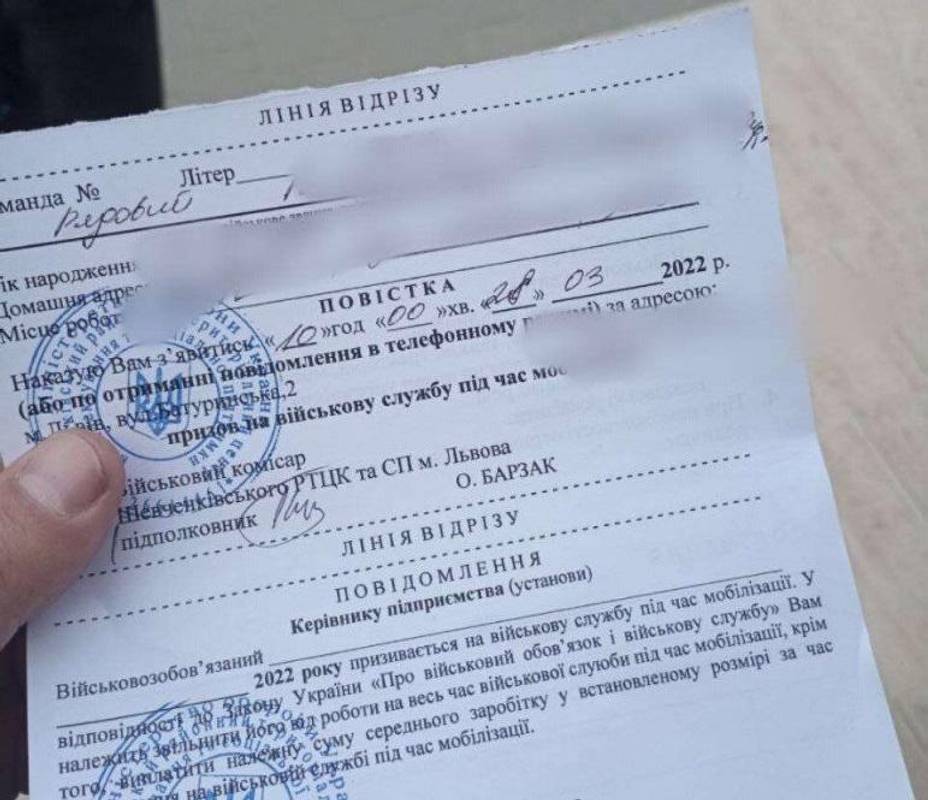
In Vinnytsia region, a 30-year-old owner of the telegram channel ‘Povistki Vinnytsia’ was detained for trying to disrupt the mobilisation. The man was served with a notice of suspicion of obstructing the activities of the Armed Forces and faces up to 8 years in prison. This was reported by the SBU office in Vinnytsia region, "Komersant Ukrainian" reports.
According to the SBU, the resident of Vinnytsia region was engaged in “information and subversive activities that harm the Armed Forces of Ukraine”.
“It has been established that the defendant created and administered a Telegram channel in which he discredited the legitimate activities of the Armed Forces of Ukraine and other military formations during the period of martial law. In particular, the offender published messages about the places where representatives of the TCC and JV carried out mobilisation activities in the region to notify the population of conscription age,”
– the statement said.
Investigators found out that the 30-year-old businessman from Khmilnyk ignored the mobilisation and encouraged others to evade it. By spreading information about the whereabouts of TCC employees in Vinnytsia region, he disrupted mobilisation activities.
Based on the evidence collected, SBU investigators served him a notice of suspicion under Part 1 of Article 114-1 of the Criminal Code of Ukraine (obstruction of the lawful activities of the Armed Forces and other military formations during a special period).

The pre-trial investigation is ongoing. He faces up to eight years in prison.
It should be noted that after the outbreak of full-scale war and the announcement of general mobilisation, hundreds of telegram channels emerged informing about the issuance of summonses in different cities. The SBU regularly blocks such channels, but they reappear.
Kommersant Ukrainsky  wrote about the legality of such information clusters and who is responsible for their emergence and the general dissemination of information that could harm state security.