What awaits the Ukrainian economy in 2026: two scenarios from Dragon Capital
30 July 2025 22:01
Dragon Capital has updated its macroeconomic forecast for Ukraine for 2026. This is reported by "Komersant Ukrainian" with reference to information from the investment company itself.
The company is considering two possible scenarios: “prolonged war” and “sustainable truce”. Each has a different impact on economic growth, inflation, the hryvnia exchange rate, and international support.
Scenario A: Prolonged war
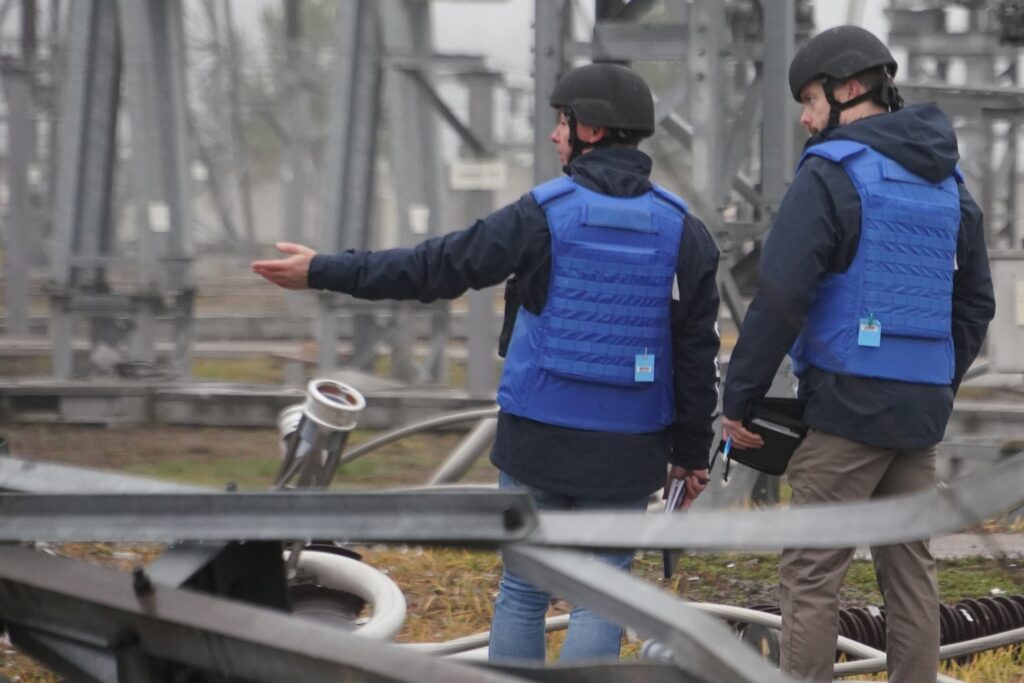
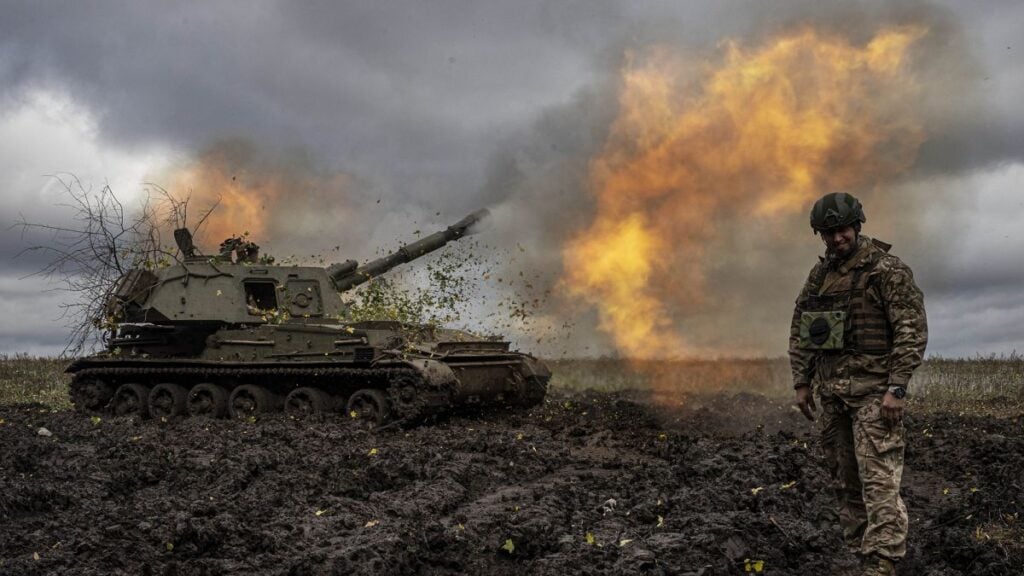
If the military conflict continues, with further attacks on critical infrastructure, Dragon Capital predicts a slowdown in real GDP growth to 1.5% in 2026. The previous driver, the military-industrial complex, will remain the main source of economic growth. Production in the sector is projected to reach $20 billion in 2026, up from $9 billion in 2024.
At the same time, the decline in production capacity, the lack of skilled labor, and the extreme vulnerability of the energy infrastructure to shocks will remain constraining factors. Nevertheless, consumer demand will continue to provide some support to the economy as nominal wages rise and inflation declines in the second half of the year.
Inflation may decline to around 5.3% in annualized terms by the end of 2026. According to the exchange rate forecast, the hryvnia will depreciate to around 46 UAH/USD if the central bank maintains its policy of controlled gradual exchange rate depreciation. In this case, the country’s external vulnerability will remain high, and the need for external financing will be critical.
Dragon Capital is a Ukrainian investment company providing brokerage, investment banking, asset management and private equity services to institutional, corporate and private clients. The company was founded in 2000 in Kyiv.
Scenario B: Sustainable ceasefire
If a long-lasting and sustainable cessation of hostilities is achieved, despite the temporary occupation of some territories, the economic dynamics may change radically. In this case, Dragon Capital predicts record real GDP growth of up to 5.0% in 2026. Favorable conditions may arise due to the revival of investment activity, the return of internally displaced persons, active construction, the development of military and technical products for export, as well as the recovery of small and medium-sized businesses. Remember: Dragon Capital’s previous forecasts have already taken into account the transition to such a scenario, with possible growth rates in the range of 3.5-5.5% in 2025.
In this scenario, economic growth works in favor of higher inflationary pressures. Dragon Capital estimated it at 7.5% by the end of 2026. This figure is driven by rising domestic demand, an expected increase in utility tariffs, and a pickup in economic activity. In this scenario, the NBU will maintain relative currency stability at around 44 UAH/USD.

Macrofinancial risks and external benchmarks
Dragon Capital also takes into account the impact of external resources – international financial assistance, grants, military orders, etc. According to the NBU, public financing support in 2025 may exceed $58 billion, which significantly increases the state’s reserves and ensures financial stability in the future. At the same time, there is no guarantee that positive political signals will translate into real changes. This is where the geopolitical instability lies.
In 2026, the dependence on external flows will remain high – Dragon Capital predicts that reserves will be able to be maintained at around $59 billion if international support continues to flow in full.
Read also: Two scenarios for the economy: Dragon Capital has updated its forecast for 2025
What it means for business
The Ukrainian business environment is at the crossroads of two scenarios. In a “prolonged conflict,” development will continue according to the inertial scenario, focusing on the military-industrial complex and maintaining stable consumer demand. In the case of a “firm ceasefire,” businesses will get a measure of strategic planning – conditions for capital investment, large-scale reconstruction, and export recovery. In any case, the key issues will be staff shortages, energy security, and access to long-term financing.
Читайте нас у Telegram: головні новини коротко