Scandal surrounding Ukrainian athlete’s helmet at the 2026 Olympics: what is known
10 February 04:03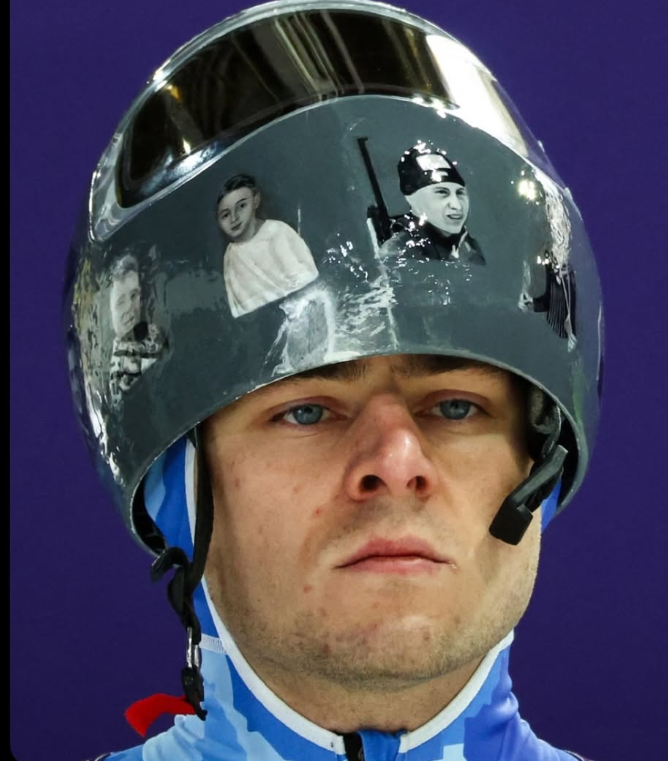
The International Olympic Committee has banned Ukrainian skeleton racer Vladislav Heraskevich from wearing a helmet featuring images of Ukrainian athletes who died as a result of Russia’s full-scale invasion at the 2026 Olympic Games. The athlete announced this on his social media accounts, noting that the decision applies to official training sessions and competitions, according to "Komersant Ukrainian".
Vladyslav Heraskevych prepared a special helmet with images of athletes who died as a result of Russian aggression.
“Among them is Dmytro Sharpar, with whom we competed together in the same team at the 2016 Olympic Games. Among them is Olympic medalist Maksym Halinichev, a boxer. Among them, unfortunately, are many children who died from Russian shelling. Among them are people who developed veteran sports. I will compete for them,” said Heraskevich.
According to Heraskevych, he had already managed to train in this helmet, but later received a comment from IOC representatives.
“The IOC prohibits the use of my helmet in official training and competitions. This decision is simply heartbreaking. It feels like the IOC is betraying those athletes who were part of the Olympic movement by not allowing them to be honored in the sports arena,” he wrote.
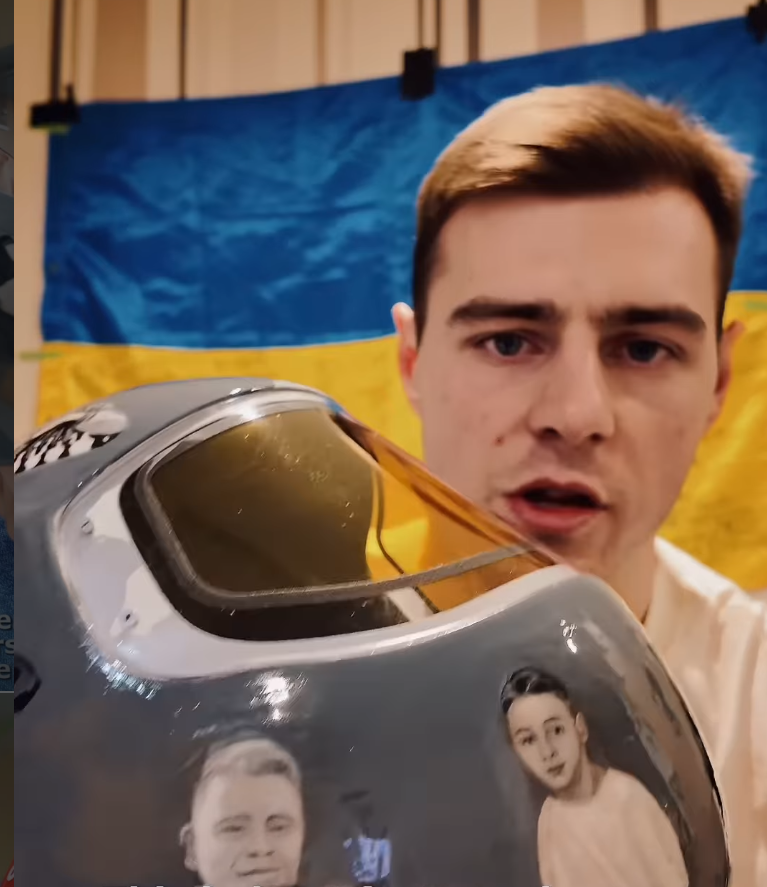
The athlete stressed that the Ukrainian side is preparing an official request to the IOC and will fight for the right to compete wearing this helmet.
Comments from an IOC representative and accusations of double standards
According to Geraskevich, the “critical ban” on the use of the helmet was expressed by IOC representative Toshio Tsuruaga.
At the same time, the Ukrainian drew attention to the double standards of the International Olympic Committee. In particular, he noted that an Italian snowboarder was allowed to compete with the Russian flag on his helmet, despite the fact that the symbols of the aggressor country are banned at the 2026 Games.
“Despite precedents in the present and in the past, when the IOC allowed such tributes, this time they decided to establish special rules for Ukraine,” the athlete emphasized.
President Zelensky’s reaction
Ukrainian President Volodymyr Zelensky publicly responded to the situation.
He explained in detail who Vladyslav Heraskevych is honoring on his IOC-banned helmet and emphasized the fundamental significance of this gesture.
“On his helmet are portraits of our athletes who were killed by Russia. Figure skater Dmytro Sharpar, who died in the battles near Bakhmut, 19-year-old biathlete Yevhen Malyshev, who was killed by the occupiers near Kharkiv, and other athletes who lost their lives in the Russian war,” the head of state said.
Zelensky thanked Vladyslav Heraskevych, the flag bearer for the Ukrainian team at the Winter Olympics, for his clear and principled position:
“I thank the flag bearer of our team, Vladislav Heraskevych, for reminding the world of the price of our struggle.”
The president stressed that honoring the fallen athletes cannot be considered a political act:
“This truth cannot be inconvenient, inappropriate, or called a ‘political act at sporting events.’ It is a reminder to the whole world of what modern Russia is like.”
Separately, Zelensky emphasized the valuable role of sport and the Olympic movement:
“This reminds everyone of the global role of sport and the historical mission of the Olympic movement as such — it is all about peace and life. Ukraine is committed to this. Russia proves the opposite.”
The IOC’s position and Geraskevich’s start
Earlier, the IOC recommended allowing Russian and Belarusian athletes to participate in international youth competitions under their own flags, which drew criticism from Ukraine.
Vladislav Heraskevich’s first race at the 2026 Olympics is scheduled for Thursday, February 12, at 10:30 a.m. Kyiv time. The athlete said he hopes that the ban is the position of an individual representative and not the entire IOC.
“Among those depicted on the helmet are Olympians, Games medalists, sports veterans, and children who died in shelling. I will compete for them,” Geraskevich emphasized.