Jewish New Year celebrations begin today: meaning and traditions
2 October 2024 00:26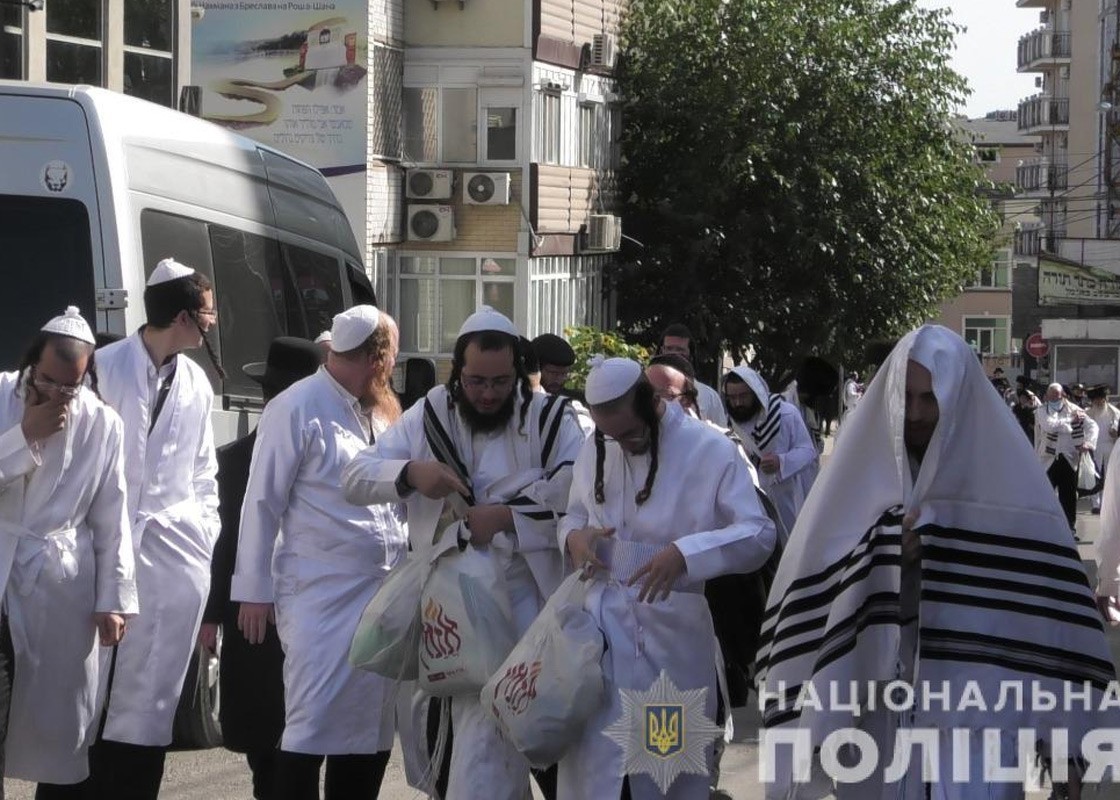
on 2 October, Rosh Hashanah, one of the most important Jewish holidays, begins. It will last until 4 October. It is on this holiday that Hasidim come to celebrate in the Ukrainian city of Uman, "Komersant Ukrainian" reports
Jews will celebrate the beginning of the year 5785 from the Creation of the world.
This holiday has little in common with our usual understanding of the New Year. No champagne or tangerines. Rosh Hashanah is a time of rethinking the past, repentance and hope for the future.
Rosh Hashanah is not a cheerful holiday. But it is celebrated most cheerfully by the Hasidim, the followers of Rabbi Tzadik Nachman, who go to the city of Uman to celebrate.
Jews greet each other with the words “Shana tova umetuka!”, which means: “Have a good and sweet year”.
Popular traditions of the holiday include blowing a ram’s horn (shofar), singing hymns and prayers. Sweet foods are served at the festive meal – buns, honey, various fruits (dates, pomegranates, figs), pancakes. It is not customary to serve bitter and sour foods so that there is no bitterness in life.
Why the Jewish New Year is celebrated in autumn
It is celebrated on the 1st and 2nd of Tishrei, which usually falls in late September – early October. Traditionally, this day cannot fall on Sunday, Wednesday or Friday
Traditions of celebrating the Jewish New Year
As for the traditions of the holiday, the following is known. During the two days of the holiday, Jews go to the synagogue to pray and blow the shofar during prayer. According to their tradition, this is a disturbing sound, and when a Jew hears it, he should think, remember, and repent. When the shofar is blown, there is complete silence, and everyone listens. This is the main tradition of Rosh Hashanah. Repentance is the main element of the holiday.
It is believed that on these days, the fates of all people are decided in Heaven: they are described in the Books of Life and sealed with a special seal that predetermines the next year.
The holiday is also marked by tashlich: Jews gather on the shore of a pond and shake out crumbs from their pockets into the water while reciting prayers, as if feeding their sins to the fish.
On this day, according to Jewish traditions, it is customary to eat a lot of sweets so that the coming year will be sweet. It is forbidden to eat anything sour or bitter, so that the year does not bring bitterness.
What treats are served on the Jewish New Year?
- apples with honey – they start the meal immediately after halacha, believing that this will make the year sweet and happy;
- a head (fish or lamb) – to be “in charge” throughout the year;
- fish as a symbol of fertility;
- carrots cut into circles as a symbol of wealth, as they resemble coins;
- round sweet challah with raisins – to make the year healthy and full of prosperity;
- vegetables and fruits to invoke a good harvest.
Hasidic pilgrimage to Uman
Hasidism is one of the streams of Judaism. One of its founders was Rabbi Tzadik Nachman. In Hasidism, mediators between God and man are called tzaddiks. In his old age, Nachman moved to Uman and wanted to be buried here. He commanded his followers to visit his grave every year on Rosh Hashanah.
Every year, Hasidim in Uman gather to celebrate the main holiday for their branch of Judaism – Rosh Hashanah, or the Jewish New Year. Hasidim come to Ukraine from Israel, the USA, Canada, Western Europe and other countries.