Allies present SkyShield plan: skies over which regions of Ukraine will be closed
6 March 2025 15:41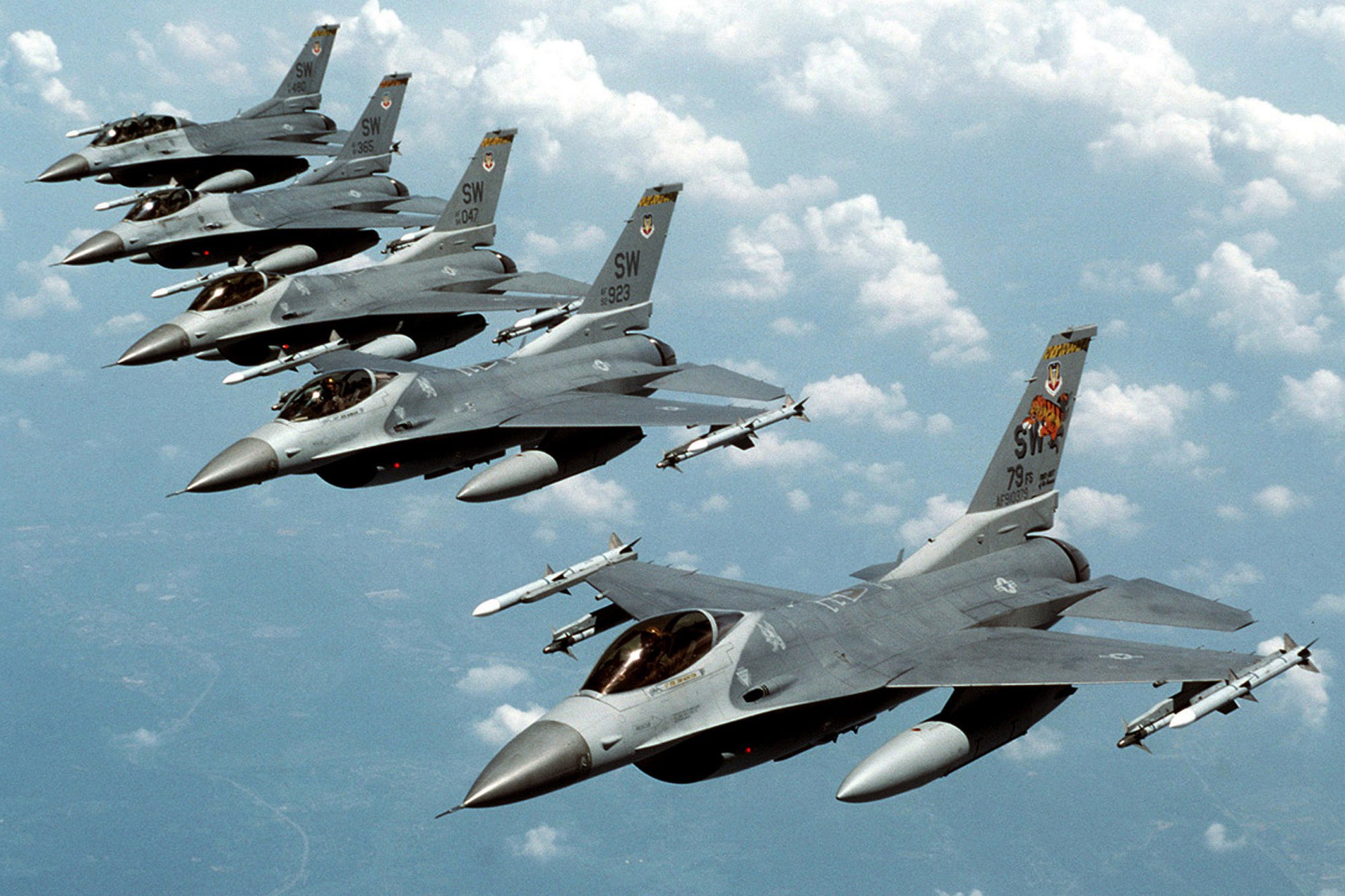
Ukraine’s European allies have offered to use EU aircraft for air defense of its western regions. This was reported by "Komersant Ukrainian" with reference to The Guardian.
This is a plan called SkyShield. It has already been supported by prominent European military and political figures. Among the key supporters are former US Air Force General and Supreme Allied Commander Europe Philip Breedlove, retired British Army General and Deputy Supreme Allied Commander Europe Sir Richard Shirreff, and former Polish President Aleksander Kwasniewski.
These leaders proposed a European initiative that would involve about 120 fighter jets to protect Kyiv and western Ukraine from Russian missile and drone attacks. The plan is aimed at protecting critical infrastructure, including nuclear power plants and major cities such as Odesa and Lviv.

Importantly, this is an operationally independent plan that is not part of NATO’s initiatives. According to the allies, this can reduce the risk of direct confrontation between European countries and Russia.
What is known about the SkyShield plan
The SkyShield plan is a European initiative aimed at strengthening air defense capabilities across the continent in response to evolving air threats, particularly highlighted by recent conflicts such as Russia’s invasion of Ukraine. This plan encompasses both the European SkyShield Initiative (ESSI) and specific proposals to strengthen Ukraine’s air defense systems.
Launched in October 2022 under German leadership, ESSI aims to develop a ground-based integrated European air defense system, including missile defense capabilities. The initiative emphasizes the joint procurement of air defense equipment and missiles by European countries, thereby strengthening NATO’s integrated air and missile defense.
The initiative began with the signing of a Letter of Intent by 14 NATO member states and Finland to strengthen European air defense capabilities.
By February 2023, Denmark and Sweden joined the ESSI, bringing the total number of participants to 17, including 15 NATO Allies and invited Finland and Sweden.
In July 2023, the neutral countries of Austria and Switzerland agreed to join the ESSI, marking a significant shift in their defense policy.
The purpose and components of ESSI
The ESSI aims to address gaps in European air and missile defense through:
- Joint procurement. Joint acquisition of air defense systems to ensure interoperability and cost-effectiveness.
- Integrated defense systems. Developing an integrated network capable of countering a variety of air threats, including missiles and drones.
- Strengthening NATO’s defense. Strengthening NATO’s overall air and missile defense system by improving European capabilities.
Weaknesses of the initiative
Despite its ambitious goals, ESSI faces a number of challenges:
- Different threat perceptions. European countries assess threats differently, which affects their commitment and contributions to ESSI.
- Technological integration. Ensuring interoperability between different defense systems from different manufacturers requires significant coordination.
- Political dynamics. Balancing national sovereignty with collective defense needs poses political challenges.